
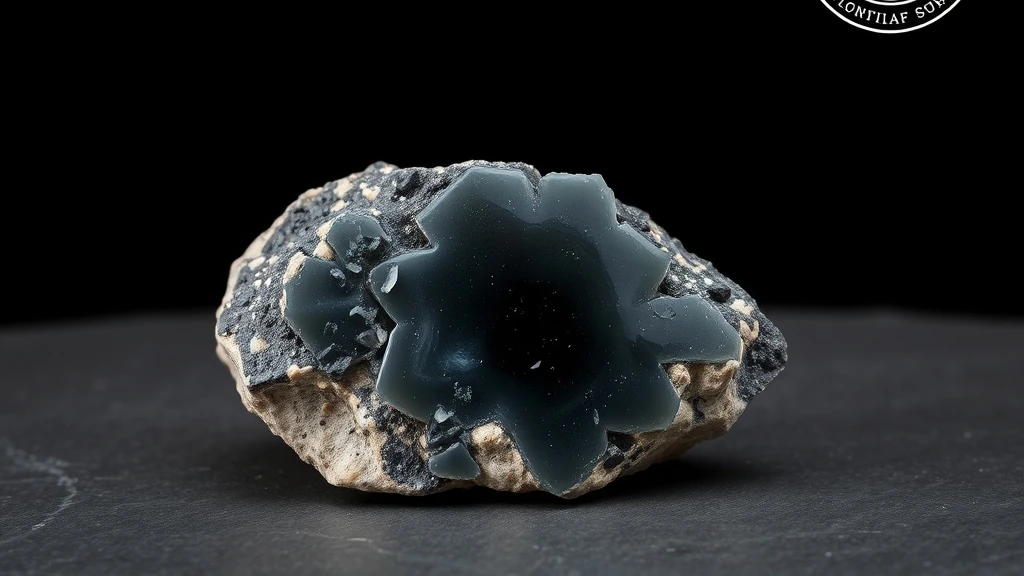
Flower Obsidian belongs to the Mineraloid group, specifically classified as extrusive volcanic glass. Unlike true minerals, it lacks a long-range ordered atomic structure, forming instead through the rapid cooling of felsic lava. This geological process prevents crystal lattice formation, resulting in a glassy texture. The stone is distinguished by its internal inclusions, often resembling floral patterns, which arise from trapped gas bubbles or secondary mineral growths. Its parent material is primarily obsidian, a natural glass formed from silica-rich magma.
What is Flower Obsidian? Geological Overview & Definition
Flower Obsidian is a distinctive variety of obsidian defined by its internal inclusions that mimic floral shapes. These patterns typically consist of quartz, feldspar, or mica crystals suspended within the dark glassy matrix. The formation occurs when lava cools unevenly, allowing secondary minerals to crystallize within the primary glass. This unique aesthetic differentiates it from standard black obsidian, which lacks such visible internal structures. If you’re drawn to the floral inclusions of Flower Obsidian, you may also appreciate the subtle metallic shimmer of Silver Sheen Obsidian, which showcases delicate reflective fibers within its dark glass.
Geologically, this stone forms in extrusive volcanic environments where magma erupts and solidifies rapidly. The amorphous nature of the base material ensures a smooth, conchoidal fracture surface. However, the embedded inclusions create a complex visual texture that appeals to collectors. Understanding its origin as a volcanic glass is essential for proper identification and valuation. In comparative mineralogical collections, practitioners and geologists frequently study Peanut Obsidian alongside this crystal to appreciate their subtle energetic and structural differences.
Flower Obsidian Chemical Composition & Crystallographic Properties
The fundamental chemical composition consists of over 70% silicon dioxide (SiO₂), mixed with iron and magnesium silicates. As an amorphous substance, it possesses no defined crystal system or repeating lattice structure. This lack of periodicity distinguishes it from crystalline minerals, which exhibit specific geometric arrangements. The refractive index typically ranges from 1.480 to 1.510, reflecting its glassy optical properties. In comparative mineralogical collections, practitioners and geologists frequently study Midnight Lace Obsidian alongside this crystal to appreciate their subtle energetic and structural differences.
Cation substitution within the silicate network involves iron and magnesium ions replacing silicon atoms. These substitutions influence the stone’s density, which measures between 2.35 and 2.60 g/cm³. The chromophore centers responsible for the dark coloration are primarily due to trace transition metals. Acid sensitivity is low, as the silicate network is chemically stable under normal conditions. In comparative mineralogical collections, practitioners and geologists frequently study Fulgurite alongside this crystal to appreciate their subtle energetic and structural differences.
Thermal behavior reveals that Flower Obsidian is susceptible to thermal shock due to its glassy structure. Rapid temperature changes can cause fracturing, as the material lacks the ductility of crystalline rocks. The amorphous lattice does not allow for plastic deformation, leading to brittle failure under stress. Proper handling requires avoiding sudden thermal gradients to preserve structural integrity. In comparative mineralogical collections, practitioners and geologists frequently study Golden Sheen Obsidian alongside this crystal to appreciate their subtle energetic and structural differences.
The inclusion minerals within the matrix may exhibit their own distinct crystallographic properties. For instance, embedded quartz inclusions are trigonal, contrasting with the host glass. This composite nature means the stone is a polymorphic aggregate rather than a single mineral species. Identifying these inclusions requires careful microscopic examination to distinguish them from the glassy host.
| Property | Specification |
|---|---|
| Mineral Group | Mineraloid (Extrusive Volcanic Glass) |
| Chemical Formula | Volcanic glass (70%+ SiO₂ with Fe, Mg silicates) |
| Mohs Hardness | 5.0 – 5.5 |
| Crystal System | Amorphous (Non-crystalline volcanic glass) |
| Specific Gravity (Density) | 2.35 – 2.60 |
| Refractive Index | 1.480 – 1.510 |
| Color & Optical Properties | Natural Flower Obsidian color spectrum and optical dispersion |
| Primary Mining Localities | Mexico, USA (Oregon, Utah), Turkey (Kars, Agri), Armenia, Iceland |
| Water & Chemical Resistance | High (Natural volcanic glass; safe in water) |
| Chakra Alignment (Traditional) | Root Chakra (Muladhara) |
| Zodiac Affinity (Traditional) | Scorpio, Sagittarius, Capricorn |
| Symbolic Meaning (Traditional) | Aura shield, emotional truth mirroring, cord-cutting, and shadow grounding |
Flower Obsidian Varieties & Color Spectrum
Flower Obsidian displays distinct mineralogical characteristics across its geological varieties and structural habits. Gemologists evaluate these natural varieties based on crystal habit, trace chromophore concentrations, and visual luster.
Primary Natural Flower Obsidian
The benchmark natural variety exhibiting diagnostic color saturation and classic crystallographic symmetry.
Distinct Geological Morphs of Flower Obsidian
Secondary regional and structural varieties formed under localized geological temperature and pressure conditions.
Black Flower Obsidian
This classic variety derives from volcanic glass formed by rapid cooling of basaltic lava. Its surface displays intricate, lace‑like black veins that resemble blooming flowers, created by trapped gas bubbles and silica-rich inclusions. The veins are usually fine and symmetrical, giving the stone a subtle iridescence under light. Though common in volcanic regions, high‑quality specimens with dense, uniform veining are prized by collectors.
Brown Flower Obsidian
Brown Flower Obsidian originates in andesitic eruptions where iron oxides tint the glass. The brown matrix hosts darker, flower‑shaped veins that contrast sharply with the lighter background. These veins are often more pronounced than in black varieties, producing a dramatic, almost floral pattern. Rarity increases when the brown matrix is deep and the veins are densely packed, making such stones highly sought after.
Green Flower Obsidian
Green Flower Obsidian is a rare form where chlorite and other green‑tinged minerals infiltrate the glass. The resulting green matrix contains black or dark‑brown flower veins, creating a striking color contrast. This variety is typically found in volcanic fields with high magnesium content, where the green hue is more intense. Its scarcity and vivid pattern make it a favorite among gem enthusiasts.
Red Flower Obsidian
Red Flower Obsidian forms when iron‑rich lava cools rapidly, producing a reddish‑brown matrix with darker veins. The veins often appear as delicate, flower‑like petals, giving the stone a warm, almost ember‑like glow. This variety is uncommon because the precise iron concentration and cooling rate required are rare in nature. High‑quality specimens are prized for their unique color palette.
Blue‑Tinged Flower Obsidian
Blue‑Tinged Flower Obsidian results from the inclusion of tourmaline or amphibole crystals within the glass, imparting a subtle blue hue to the matrix. The flower veins remain dark, creating a striking contrast against the blue background. This variety is extremely rare, found only in specific volcanic terrains where such mineral inclusions are present. Its unique coloration makes it a coveted collector’s item.
White Flower Obsidian
White Flower Obsidian is formed from silica‑rich, low‑iron lava, yielding a nearly translucent matrix. The dark veins appear as sharp, flower‑like patterns against the white background, giving the stone an ethereal appearance. This variety is exceptionally rare, as it requires a delicate balance of silica content and rapid cooling. Its rarity and delicate beauty make it a prized gem for lapidary work.
Where is Flower Obsidian Found? Geological Mining & Extraction
Flower Obsidian is typically hosted in volcanic fissure vents and lava flows where rapid quenching of lava creates glassy textures. The veins form as gas bubbles and mineral‑rich fluids migrate through the cooling matrix, leaving behind the characteristic floral patterns. Major global sources include the Icelandic rift zones, the Hawaiian shield volcanoes, and the Andean volcanic belt. In these regions, artisanal miners extract the glass by hand, often using simple tools to separate the flower‑veined fragments from the surrounding lava.
Commercial extraction of Flower Obsidian occurs mainly in Sierra Nevada, California, and the Philippines, where large deposits of volcanic glass are mined for ornamental and industrial use. Modern mining techniques involve drilling and blasting, followed by sorting and polishing to enhance the natural veining. The resulting gemstones are exported worldwide, prized for their unique aesthetic and metaphysical properties.
Historical Significance & Cultural Lore of Flower Obsidian
Across ancient lapidary traditions, Flower Obsidian was revered for its protective qualities and symbolic association with the Root Chakra (Muladhara). In Greco-Roman cultures, it was fashioned into amulets and used in ritualistic practices to ground spiritual energy. Egyptian artisans incorporated the glass into jewelry, believing it could shield the wearer from negative forces. Chinese alchemists also valued the stone for its supposed ability to mirror emotional truths and cut psychic cords. These diverse cultural uses underscore Flower Obsidian’s enduring significance as a symbol of grounding, protection, and emotional clarity.
Modern Uses & Jewelry Applications of Flower Obsidian
Lapidaries primarily cut Flower Obsidian into cabochons to showcase its distinctive, flower-like internal patterns without risking fracture. The stone’s relatively low Mohs hardness of 5.0 to 5.5 makes faceting challenging, as the amorphous structure lacks cleavage planes for precise polishing. Consequently, artisans favor smooth, domed settings that highlight the natural symmetry of the inclusions.
- Cabochon Rings & Pendants: The most common setting, allowing the “flower” pattern to face outward for maximum visual impact.
- Ornamental Carvings: Skilled carvers use the stone for small figurines or decorative inlays where the internal patterns mimic organic growth.
- Beaded Jewelry: Polished tumbles and beads are strung into bracelets, often paired with silver or black onyx for contrast.
Metaphysical Uses & Origins of Flower Obsidian
In historical lapidary traditions, volcanic glass was revered for its ability to reflect truth and anchor the spirit. Practitioners utilize Flower Obsidian in meditation to facilitate emotional truth mirroring, believing the stone’s unique patterns disrupt stagnant energy. Its amorphous nature symbolizes the fluidity of change, encouraging users to release past traumas effectively.
Architects and artists have long incorporated obsidian into sacred spaces for its perceived shadow grounding properties. The stone is frequently placed at the base of meditation altars to stabilize the practitioner’s energy field. This practice aligns with universal metaphysical lore that values volcanic materials for their connection to the Earth’s core.
Which Chakra and Zodiac Signs Align with Flower Obsidian?
Flower Obsidian is canonically aligned with the Root Chakra (Muladhara), which governs survival, security, and physical stability. The stone’s dense, dark base color resonates with the earthy vibrations of this energy center. It helps practitioners feel firmly grounded, reducing anxiety and fostering a sense of safety in their physical environment.
Astrologically, the stone resonates strongly with Scorpio, Sagittarius, and Capricorn. Scorpios appreciate its depth and transformative power, while Sagittarians value its ability to ground their expansive energy. Capricorns find its structural integrity supportive of their disciplined, goal-oriented nature, making it a versatile talisman for these earth and water signs.
How to Identify Real vs. Fake Flower Obsidian
The market is saturated with artificial imitations, including synthetic glass and dyed replicas designed to mimic the stone’s unique patterns. These fakes often lack the natural irregularities found in genuine volcanic glass, appearing too perfect or uniform in their “flower” formations. Understanding the geological origins of obsidian is crucial for distinguishing authentic specimens from manufactured counterfeits.
Practical At-Home Authenticity Tests
- Temperature Test (Thermal Feel): Genuine obsidian feels noticeably cool to the touch and retains that coolness longer than plastic or resin imitations. This thermal conductivity is a hallmark of natural volcanic glass and helps differentiate it from synthetic alternatives.
- Specific Gravity & Weight Test: Real Flower Obsidian has a density of 2.35 – 2.60, making it feel heavier than similarly sized glass or plastic fakes. Holding the stone in your palm should reveal a substantial, dense weight consistent with its mineral composition.
- Scratch & Hardness Test (Mohs Comparison): With a Mohs hardness of 5.0 – 5.5, obsidian can scratch glass but will be scratched by a steel knife. If the stone is scratched easily by a coin or fails to scratch a glass plate, it is likely a softer imitation.
- Microscopic & Loupe Inspection (Internal Inclusions): Use a 10x loupe to examine the “flowers” for natural, chaotic inclusions rather than uniform, bubble-free patterns. Genuine obsidian often contains tiny air bubbles or flow lines, whereas synthetic glass may show perfectly spherical bubbles or artificial dye streaks.
Flower Obsidian Valuation Factors, Grading & Pricing
Market value is primarily driven by Color Variations and the distinct aesthetic of natural textures. Collectors prize specimens displaying vibrant, contrasting patterns of white, red, or blue mineral inclusions against the dark glassy matrix. The clarity of these banding structures significantly influences the final retail price.
Specimen Mass & Size directly correlates with cost, as larger, intact blocks are rarer than smaller fragments. Carving craftsmanship plays a pivotal role, with intricate sculpting adding substantial premium value to the raw stone. Structural block integrity is essential, ensuring the piece remains free from internal fractures or weak points.
Geographical Origin & Authenticity serve as critical markers for high-end market positioning. Verified provenance from major volcanic regions commands higher trust and pricing in the ornamental sector. Current wellness market trends favor authentic, unaltered pieces over dyed or synthetic imitations.
How to Clean and Care for Flower Obsidian
Due to its brittle volcanic glass composition, this mineral requires gentle physical maintenance to prevent chipping. It is safe to rinse the specimen in warm water to remove surface dust and residue. Avoid using ultrasonic cleaners, as high-frequency vibrations can cause structural failure and micro-fractures in the glassy matrix.
After washing, dry the piece immediately with a soft, lint-free cloth to prevent water spots. Store the specimen in a padded container to protect it from accidental impacts. Regular inspection for hairline cracks ensures the long-term preservation of the stone’s aesthetic integrity.
Cleansing and Recharging Flower Obsidian (Energetic Care)
Holistic practitioners often employ herbal smudging to clear perceived energetic stagnation from the stone. Passing the specimen through the smoke of sage or palo santo is a traditional, dry method that requires no liquid contact. This process is believed to reset the stone’s vibrational frequency without risking physical damage.
For recharging, placing the obsidian on a selenite charging slab under gentle moonlight is a popular technique. This dry, low-energy approach allows the stone to absorb ambient lunar energy over several hours. It avoids the risks associated with heat or direct sunlight, preserving the structural stability of the volcanic glass.
Frequently Asked Questions About Flower Obsidian
Flower Obsidian displays distinct mineralogical characteristics across its geological varieties and structural habits. Gemologists evaluate these natural varieties based on crystal habit, trace chromophore concentrations, and visual luster.
Primary Natural Flower Obsidian
The benchmark natural variety exhibiting diagnostic color saturation and classic crystallographic symmetry.
Distinct Geological Morphs of Flower Obsidian
Secondary regional and structural varieties formed under localized geological temperature and pressure conditions.
Is Flower Obsidian safe to wear in the shower?
Yes, it is safe to wear Flower Obsidian in the shower. The volcanic glass is highly water-resistant, with a density of 2.35–2.60 g/cm³, so it will not dissolve or degrade under normal shower conditions. However, avoid harsh abrasive cleansers that could scratch its surface.
Can I clean Flower Obsidian with ultrasonic cleaners?
No, ultrasonic cleaners should be avoided for Flower Obsidian. While it can be safely washed in warm water, the vibration from ultrasonic devices can cause brittle volcanic glass to chip or crack. Use a soft, damp cloth instead.
What is the best way to clean Flower Obsidian?
Wash with warm, soapy water and a soft cloth, then dry with a microfiber towel. This gentle method preserves the stone’s natural luster and prevents surface damage. Avoid abrasive pads or harsh chemicals that could dull its refractive index of 1.480–1.510.
Does Flower Obsidian have any metaphysical properties?
Yes, it is believed to support grounding and emotional truth. In esoteric traditions, Flower Obsidian is associated with the Root Chakra (Muladhara), helping to anchor energy, cut negative cords, and promote psychic purification.
Which zodiac signs are aligned with Flower Obsidian?
Flower Obsidian aligns with Scorpio, Sagittarius, and Capricorn. These signs are thought to benefit from the stone’s grounding and protective qualities, enhancing focus and resilience during challenging periods.
Is Flower Obsidian durable for everyday wear?
Yes, it is reasonably durable for daily use. With a Mohs hardness of 5.0–5.5, Flower Obsidian can withstand regular wear, though it may scratch more easily than harder stones. Regular gentle cleaning will maintain its appearance.
Can Flower Obsidian be used in jewelry that is exposed to saltwater?
Yes, it is suitable for saltwater exposure. As a natural volcanic glass, Flower Obsidian is highly resistant to saltwater corrosion, making it a good choice for beach or poolside jewelry, provided it is not subjected to extreme impacts.
How should I store Flower Obsidian to preserve its quality?
Store in a soft pouch or lined jewelry box away from direct sunlight. Prolonged exposure to UV light can cause surface fading, while a protective environment prevents accidental scratches and preserves its amorphous structure.