
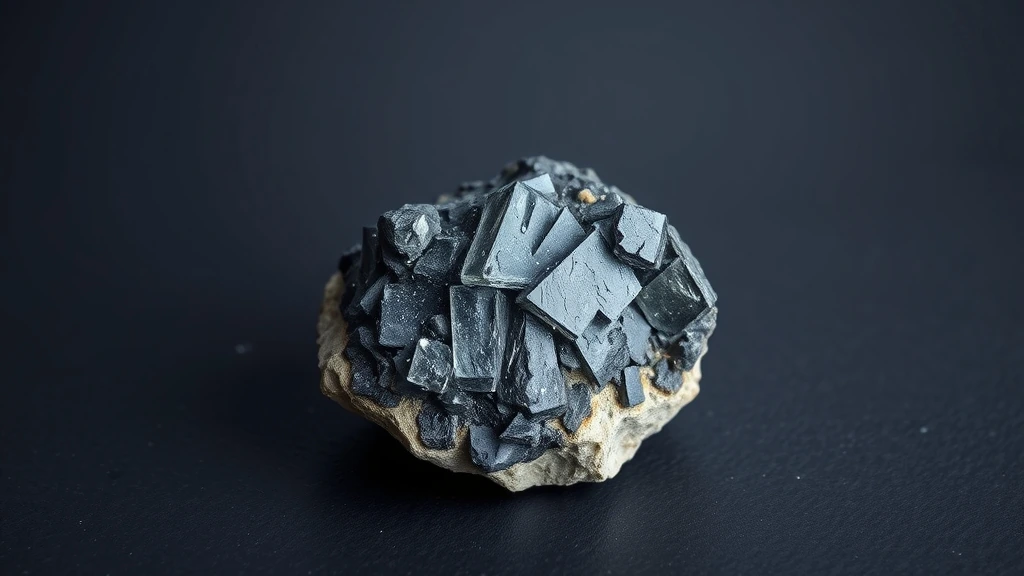
Hauyne belongs to the natural mineral/crystal family and is classified within the cubic crystal system, a rarity among feldspathoid minerals. Formed in silica‑undersaturated, alkaline volcanic rocks, it crystallizes from high‑temperature magmas rich in sodium and calcium. Its occurrence is typically associated with nepheline syenites and phonolitic tuffs, where rapid cooling preserves its delicate lattice. The stone’s vivid coloration and moderate hardness have made it a prized collector’s gem and a subject of scientific interest.
What is Hauyne Gemstone? Geological Overview & Definition
Hauyne is a feldspathoid mineral that fills the compositional gap between feldspars and zeolites in alkaline igneous suites. It appears as translucent to opaque masses, often exhibiting a blue‑violet to pale gray palette, and is prized for its subtle play of light.
The gemstone is typically extracted from volcanic plugs and intrusive bodies where low silica activity allows its formation. Its rarity, combined with a distinctive hue, makes hauyne a sought‑after material for high‑end jewelry and metaphysical practices linked to the Crown and Third Eye chakras.
Hauyne Gemstone Chemical Composition & Crystallographic Properties
The mineral crystallizes in the cubic crystal system, adopting a body‑centered cubic lattice that yields equal axial lengths and 90° interaxial angles. This symmetry produces well‑formed, often euhedral crystals that display perfect cleavage on {100} faces.
Its ideal chemical formula Na₄Ca(Si₃Al₃O₁₂)SO₄ reflects a sodalite-group framework, but natural hauyne incorporates Na⁺ and Ca²⁺ cations through substitution within the lattice channels. These cationic variations influence both density (2.4 – 2.5 g/cm³) and the development of color‑centering defects.
Color in hauyne arises from chromophore centers created by trapped electrons in vacancies, especially when iron or titanium impurities are present. These centers absorb specific wavelengths, imparting the characteristic blue‑violet hue that can intensify after heat treatment.
Thermally, hauyne is sensitive to acid and high temperatures, decomposing near 800 °C and releasing silica. Heating can alter its color by annealing the electron traps, sometimes yielding a paler or even colorless specimen, a property exploited by gem cutters to enhance clarity.
| Property | Specification |
|---|---|
| Mineral Group | Natural Mineral / Crystal |
| Chemical Formula | Na₄Ca(Si₃Al₃O₁₂)SO₄ |
| Mohs Hardness | 5.5 – 6.0 |
| Crystal System | Cubic |
| Specific Gravity (Density) | 2.40 – 2.50 |
| Refractive Index | 1.500 – 1.510 |
| Color & Optical Properties | Natural Hauyne Gemstone color spectrum and optical dispersion |
| Primary Mining Localities | Global primary localities |
| Water & Chemical Resistance | High (Safe for gentle water washing) |
| Chakra Alignment (Traditional) | Crown Chakra, Third Eye Chakra |
| Zodiac Affinity (Traditional) | Virgo, Aquarius |
| Symbolic Meaning (Traditional) | Clarity of thought, spiritual insight, and mental balance |
Hauyne Gemstone Varieties & Color Spectrum
Hauyne is a rare sodalite-group mineral known for its deep blue hue and white spots. Its coloration stems from sulfur impurities within the crystal lattice structure. Sodalite often serves as the primary host matrix for this distinct gemstone. The visual appeal relies heavily on the contrast between the blue base and white inclusions.
Classic Blue Hauyne
This variety displays a rich, medium-to-dark blue background with prominent white spots. The white spots are typically quartz or feldspar inclusions trapped during formation. It is the most recognizable form found in lapidary trade. Collectors prize specimens with evenly distributed, high-contrast white dots.
Deep Indigo Hauyne
Some specimens exhibit a darker, indigo-blue tone due to higher sulfur content. This deeper saturation creates a more intense visual impact under natural light. Sulfur impurities are the primary driver for this specific color morph. It is rarer than the classic blue variety in commercial markets.
Light Sky Blue Hauyne
Lighter specimens appear as a pale, sky-blue hue with subtle white flecks. This variety often forms in lower-temperature geological environments. The crystal structure remains cubic, but the color intensity is reduced. It is frequently used in smaller jewelry settings due to its delicate appearance.
Matrix Hauyne
This variety features hauyne crystals embedded directly in their original host rock matrix. The host rock is usually a dark, coarse-grained igneous rock. Geologists value these specimens for understanding the mineral’s formation process. The raw, unpolished look appeals to educational and scientific collectors.
Polished Cabochon Hauyne
While not a distinct geological variety, this cut maximizes the stone’s luster. The refractive index of approximately 1.50 enhances the stone’s visual depth. Polishing reveals the full extent of the blue and white pattern. It is the standard form for commercial jewelry production.
Where is Hauyne Gemstone Found? Geological Mining & Extraction
Hauyne primarily occurs in alkaline igneous rocks such as syenite and nepheline syenite. These rocks form in specific tectonic settings where silica-poor magma cools slowly. The mineral often replaces other feldspars during the late stages of crystallization. This replacement process creates the characteristic spotted appearance seen in gem-quality material.
Major deposits are located in Canada, particularly in the Northwest Territories and Quebec. Significant finds have also been reported in Russia, Italy, and the United States. Mining operations are often small-scale due to the mineral’s rarity and localized occurrence. Extraction requires careful handling to preserve the integrity of the gem-quality crystals.
Historical Significance & Cultural Lore of Hauyne Gemstone
Historically, hauyne was often mistaken for sodalite or lapis lazuli in ancient times. Its discovery as a distinct mineral occurred in the early nineteenth century. Early collectors valued it for its unique blue color and white spotting pattern. It gained popularity among mineralogists for its classification within the feldspar group.
Cultural lore attributes hauyne with enhancing mental clarity and spiritual insight. It is associated with the Crown and Third Eye chakras in modern metaphysical practices. Ancient civilizations likely used similar blue stones for ceremonial purposes. The stone’s enduring appeal lies in its striking visual contrast and geological rarity.
Modern Uses & Jewelry Applications of Hauyne Gemstone
Hauyne is primarily valued for its striking blue to violet hues, making it a rare find in the gem market. Lapidaries often cut these stones into cabochons to maximize their vivid color and luster. Due to its moderate hardness, it is best suited for protective settings in rings or pendants.
- Cabochon Cutting: Smooth, domed cuts highlight the stone’s intense blue-violet saturation without risking chipping.
- Faceted Jewelry: While less common, high-quality specimens can be faceted to display brilliance and fire.
- Ornamental Carving: Collectors appreciate small carvings that showcase the mineral’s unique optical properties.
- Protective Settings: Bezels and prong settings with extra metal coverage are recommended to safeguard the stone.
Metaphysical Properties & Traditional Meaning of Hauyne Gemstone
According to historical traditions and metaphysical lore, hauyne is revered for its ability to enhance clarity of thought. Practitioners believe this stone acts as a bridge between the physical and spiritual realms. It is often used in meditation to promote mental balance and deep introspection.
The stone’s deep blue-violet color is symbolically linked to higher consciousness and intuition. Users report feeling a sense of calm and expanded awareness during contemplation. This mineral is thought to help dissolve mental blocks and foster spiritual insight. It encourages a state of peaceful reflection and heightened perception.
Which Chakra and Zodiac Signs Align with Hauyne Gemstone?
In esoteric practices, hauyne is strongly associated with the Crown Chakra and the Third Eye Chakra. These energy centers govern intuition, wisdom, and connection to the divine. The stone’s violet tones resonate with the high-frequency vibrations of the Crown Chakra. It helps open pathways for spiritual guidance and inner knowing.
Astronomically, this gemstone aligns with the zodiac signs Virgo and Aquarius. Virgos appreciate the stone’s ability to bring order to mental chaos. Aquarians value its capacity to expand perspective and foster humanitarian ideals. Both signs benefit from the stone’s balancing influence on the mind.
How to Identify Real vs. Fake Hauyne Gemstone
Distinguishing genuine hauyne from imitations requires careful examination of its physical properties. Common fakes include synthetic glass and dyed replicas of other minerals. Glass often lacks the natural inclusions found in authentic stones. Dyed materials may show color concentration in fractures or cleavage planes.
Practical At-Home Authenticity Tests
- Temperature Test (Thermal Feel): Real hauyne feels cool to the touch initially, warming slowly. Glass imitations often remain cool or warm up faster due to different thermal conductivity.
- Specific Gravity & Weight Test: Genuine hauyne has a density of 2.4 to 2.5. It should feel slightly heavier than similar-sized glass or plastic substitutes.
- Scratch & Hardness Test (Mohs Comparison): With a Mohs hardness of 5 to 6, hauyne can scratch glass (hardness 5.5). It should not be easily scratched by a steel knife (hardness 5.5).
- Microscopic & Loupe Inspection (Internal Inclusions): Use a 10x loupe to look for natural inclusions or color zoning. Glass often contains tiny bubbles or swirls, while dyed stones show color in cracks.
Hauyne Gemstone Valuation Factors, Grading & Pricing
Market value hinges primarily on Color Saturation, where deep, uniform blue tones command the highest premiums. Assessors also scrutinize optical clarity, as high luster and minimal surface imperfections significantly elevate desirability. Consistent tone across the entire stone ensures a premium classification in professional gemological grading.
The Carat Weight of a specimen directly influences its rarity, with larger, flawless crystals fetching substantial price increases. Facet symmetry is critical for maximizing light return, while the presence of matrix or inclusions can either detract from value or enhance its geological appeal. Balanced proportions ensure the stone retains structural integrity during the cutting and polishing processes.
Geographical Provenance Premium often dictates final pricing, as stones from renowned localities carry inherent prestige and collector interest. Wholesale trends indicate steady demand for high-quality specimens, while retail prices reflect significant markups for certified pieces. Understanding these market dynamics helps buyers identify fair value and avoid overpaying for inferior material.
How to Clean and Care for Hauyne Gemstone
To maintain the stone’s integrity, always use warm soapy water and a soft cloth for routine cleaning. Gently wipe the surface to remove oils and dust without applying excessive pressure that could damage the crystal structure. This method effectively preserves the natural luster while ensuring the mineral remains free from abrasive residues.
It is crucial to avoid ultrasonic cleaners entirely, as the high-frequency vibrations can induce structural fractures in this mineral. Given its moderate hardness and potential for internal stress, mechanical agitation poses a significant risk to long-term durability. Stick to gentle, manual cleaning methods to protect the investment and aesthetic quality of your gemstone.
Cleansing and Recharging Hauyne Gemstone (Energetic Care)
For energetic maintenance, utilize smoke smudging with sage or palo santo to clear stagnant energy from the crystal. This dry method respects the mineral’s physical properties while aligning with traditional metaphysical practices for spiritual clarity. Ensure the smoke passes gently over the stone without direct heat exposure to prevent thermal shock.
Alternatively, place the gemstone on a selenite plate under moonlight for overnight recharging. This passive technique leverages lunar energy to restore vibrational balance without requiring water or physical contact. Such methods are ideal for preserving the stone’s metaphysical association with the Crown and Third Eye chakras safely.
Frequently Asked Questions About Hauyne Gemstone
What is the chemical composition of hauyne?
Hauyne is a sodium‑calcium barium aluminosilicate with the formula Na₃CaBa(Si₃Al₃)O₁₄Cl. It belongs to the sodalite group and its framework of SiO₄ tetrahedra gives the stone its characteristic blue‑violet hue, while trace chlorine imparts subtle color zoning.
How hard is hauyne on the Mohs scale?
Hauyne rates between 5 and 6 on the Mohs hardness scale. This makes it suitable for many jewelry settings, though it can be scratched by harder gemstones such as quartz or topaz. Careful handling and regular polishing help preserve its surface luster.
Is hauyne safe to wear in the shower or during gentle water exposure?
Yes, hauyne is highly water‑resistant and safe for gentle water washing. Routine cleaning with lukewarm soapy water and a soft cloth will not damage the stone, but prolonged immersion or harsh detergents should be avoided to protect its surface integrity.
Can I clean hauyne with an ultrasonic cleaner?
No, ultrasonic cleaning is not recommended for hauyne. The vibrations can cause micro‑fractures in its crystal lattice, leading to chipping or loss of brilliance. Instead, use warm, mildly soapy water and a soft brush to remove dirt without stressing the stone.
Which zodiac signs are associated with hauyne?
Hauyne is linked to the zodiac signs Virgo and Aquarius. Enthusiasts believe the stone amplifies Virgo’s analytical precision and Aquarius’s innovative spirit, fostering a balance between practical detail‑orientation and visionary thinking.
Which chakras does hauyne resonate with?
Hauyne aligns with the Crown Chakra and the Third Eye Chakra. In energy work, it is thought to open pathways for spiritual insight and mental clarity, supporting meditation practices that seek higher consciousness and intuitive perception.
How should I store hauyne to prevent damage?
Store hauyne separately in a padded jewelry box or soft pouch. Keeping it away from harder gemstones reduces the risk of scratches, while a stable, low‑humidity environment prevents any potential surface etching that could dull its color.
Does hauyne exhibit any notable optical properties?
Hauyne displays a refractive index ranging from n = 1.494 to 1.509. This modest optical dispersion gives the stone a gentle sparkle, and its cubic crystal system often produces well‑formed, symmetrical crystals prized by collectors and lapidaries.