
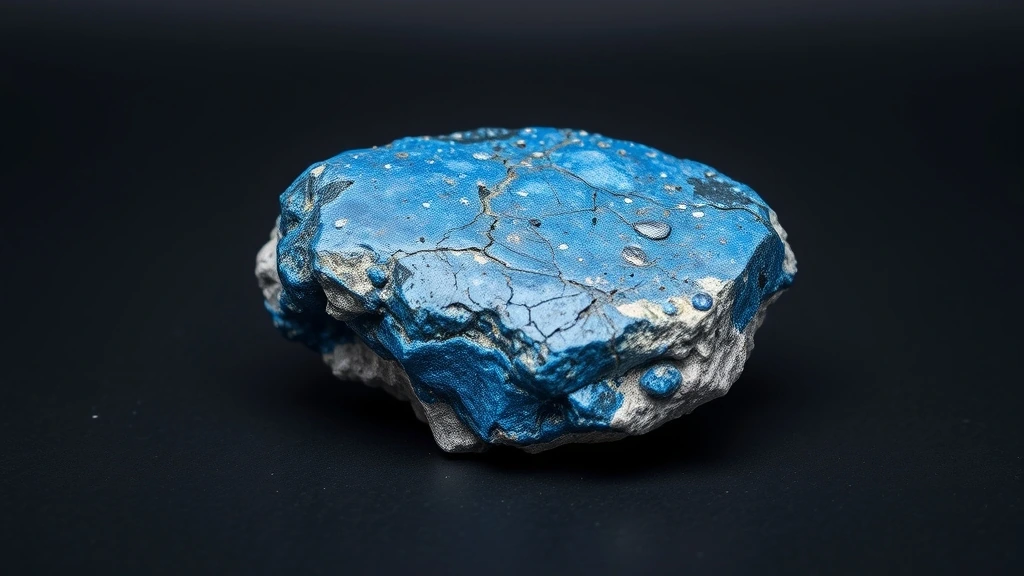
Lazurite belongs to the natural mineral/crystal category, forming as a primary component of the semi‑precious stone lapis lazuli. It crystallizes in the cubic crystal system, a rarity among silicate minerals, and occurs in metamorphic marble-hosted veins worldwide. The mineral’s dense, granular habit and its resistance to weathering underpin its long‑standing use in ornamental carvings and jewelry.
What is Lazurite Gemstone? Geological Overview & Definition
Lazurite is the blue‑colored silicate that gives lapis lazuli its characteristic hue, composed chiefly of a sodium‑rich aluminosilicate framework. It typically appears as massive, granular aggregates rather than well‑formed single crystals, though its internal symmetry remains cubic.
In geological terms, lazurite forms during low‑grade metamorphism of limestone, where silica‑rich fluids introduce aluminum and sulfur, precipitating the mineral in fissures. Its occurrence is most notable in the famed Badakhshan deposits of Afghanistan, but it also appears in Chile, Russia, and the United States.
Lazurite Gemstone Chemical Composition & Crystallographic Properties
The idealized formula Na₈(Al₆Si₆O₂₄)S₃ reflects a cubic lattice built from interconnected SiO₄ and AlO₄ tetrahedra, with sodium ions occupying the interstitial sites. This framework yields a density of 2.38–2.45 g/cm³ and a refractive index of 1.502–1.522, both diagnostic of lazurite.
Cation substitution is common: calcium, potassium, or iron may replace sodium, subtly shifting the color intensity and occasionally lowering the hardness toward 5. The presence of sulfur‑based chromophore centers (S₃⁻ radicals) is responsible for the gemstone’s iconic ultramarine shade.
Lazurite is sensitive to strong acids, which can leach sodium and destabilize the lattice, leading to surface etching. However, it remains stable under ordinary atmospheric conditions, tolerating moderate temperature fluctuations up to about 300 °C before structural breakdown.
Thermal treatment can enhance color saturation by promoting the formation of additional S₃⁻ centers, a practice sometimes employed by gem cutters to deepen the blue. Yet excessive heating may cause decoloration or the emergence of brownish Fe‑bearing inclusions, underscoring the need for controlled processing.
| Property | Specification |
|---|---|
| Mineral Group | Natural Mineral / Crystal |
| Chemical Formula | Na₈(Al₆Si₆O₂₄)S₃ |
| Mohs Hardness | 5–5.5 |
| Crystal System | Cubic (crystal system) |
| Specific Gravity (Density) | 2.38–2.45 |
| Refractive Index | 1.502–1.522 |
| Color & Optical Properties | Natural Lazurite Gemstone color spectrum and optical dispersion |
| Primary Mining Localities | Global primary localities |
| Water & Chemical Resistance | High (Safe for gentle water washing) |
| Chakra Alignment (Traditional) | Third Eye Chakra, Crown Chakra |
| Zodiac Affinity (Traditional) | Pisces, Sagittarius |
| Symbolic Meaning (Traditional) | Wisdom, spiritual insight, and divine truth |
Lazurite Gemstone Varieties & Color Spectrum
Lazurite exhibits a striking range of blue hues, from deep indigo to lighter sky tones, depending on its chemical composition. The intensity of color is primarily driven by the presence of sulfur radical anions within the crystal lattice. These chromophores absorb specific wavelengths of light, creating the mineral’s iconic and vibrant appearance.
Afghan Royal Blue
This variety originates from the Sar-e-Sang mine in Afghanistan, renowned for producing the most intense blue lazurite. It typically contains minimal pyrite inclusions, resulting in a cleaner, more uniform visual field. The cubic crystal system allows for consistent color saturation across large deposits. This grade is highly prized by gem cutters for its deep, saturated tone.
Pyritic Gold-Flecked Lazurite
Characterized by visible flecks of pyrite, this variety offers a distinctive “starry” aesthetic that appeals to collectors. The metallic sulfide inclusions contrast sharply with the blue matrix, enhancing the stone’s visual complexity. These deposits are often found in metamorphic schists where pressure facilitates crystal growth. The presence of pyrite can slightly lower the overall clarity of the gemstone.
Calcite-Hosted Lazurite
In this common geological setting, lazurite forms within calcite or marble host rocks. The white calcite matrix creates a high-contrast backdrop that accentuates the blue mineral veins. This variety is frequently used in carvings and decorative objects due to its workability. The intergrowth of minerals requires careful cutting to avoid fracturing the softer host rock.
Low-Sulfur Pale Blue
This rarer morph features a lighter, almost periwinkle blue hue due to reduced sulfur content. It lacks the intense saturation of standard varieties but offers a unique, ethereal aesthetic. The refractive index remains consistent, but the color tone shifts significantly. Collectors value this variety for its subtle elegance and distinctiveness in the market.
Malachite-Associated Lazurite
Found in copper-rich deposits, this variety often intergrows with malachite, creating a striking blue-green pattern. The co-occurrence indicates specific geochemical conditions during mineralization. The green bands of malachite provide a natural contrast to the blue lazurite. This combination is highly sought after for ornamental stones and jewelry settings.
Where is Lazurite Gemstone Found? Geological Mining & Extraction
Lazurite is primarily extracted from metamorphic schist and marble deposits, often associated with high-pressure geological environments. The Sar-e-Sang mine in Afghanistan remains the world’s most significant source of gem-quality material. Other notable deposits exist in Russia, China, and Canada, though they often yield lower-grade material. These regions feature complex tectonic histories that facilitate the formation of lazurite-bearing rocks.
Modern extraction involves careful hand-mining to preserve large, unfractured blocks for cutting. The Mohs hardness of 5–5.5 makes the stone susceptible to chipping during rough extraction. Miners must navigate through hard host rocks to access the valuable blue veins. Sustainable practices are increasingly important to protect these finite geological resources.
Historical Significance & Cultural Lore of Lazurite Gemstone
Ancient civilizations revered lazurite as a sacred stone, using it extensively in religious artifacts and royal regalia. The Third Eye Chakra association stems from its long history in spiritual practices across cultures. Egyptian and Mesopotamian artisans crafted intricate jewelry and amulets from this vibrant blue mineral. Its rarity and beauty symbolized divine truth and spiritual insight for ancient peoples.
Archaeological findings reveal lazurite beads in tombs dating back thousands of years, indicating its high value. The stone was often ground into pigment for frescoes, including those in Sistine Chapel ceilings. This dual use as both gemstone and pigment highlights its enduring cultural importance. Lazurite remains a powerful symbol of wisdom and enlightenment in modern metaphysical traditions.
Modern Uses & Jewelry Applications of Lazurite Gemstone
Lapidaries typically cut lazurite into cabochons to showcase its intense ultramarine hue, as its moderate Mohs hardness (5–5.5) makes it susceptible to chipping during facet cutting. While faceted stones exist, they are rare and require careful handling to maintain structural integrity during the polishing process.
- Cabochon Jewelry: Ideal for rings, pendants, and earrings due to the stone’s soft luster and deep color saturation.
- Ornamental Carvings: Historically used for intaglio seals and decorative inlays, leveraging its uniform blue coloration.
- Pietra Dura: Frequently incorporated into intricate mosaic designs alongside other semi-precious stones for high-end decorative arts.
Metaphysical Properties & Traditional Meaning of Lazurite Gemstone
According to historical traditions and metaphysical lore, lazurite is revered as a stone of spiritual insight and divine truth. Practitioners believe it enhances wisdom by clearing mental fog and facilitating a deeper connection with higher consciousness. This mineral is often associated with the pursuit of universal knowledge and inner peace.
The emotional resonance of lazurite is said to promote clarity of thought and intuition. It is believed to help the wearer discern truth from illusion, fostering a sense of calm and elevated awareness. This makes it a popular choice for meditation and spiritual development practices.
Which Chakra and Zodiac Signs Align with Lazurite Gemstone?
In metaphysical practice, lazurite is primarily aligned with the Third Eye Chakra and the Crown Chakra. These energy centers are associated with intuition, insight, and spiritual connection. By stimulating these chakras, the stone is thought to enhance mental clarity and open pathways to higher understanding.
Astrologically, lazurite is considered particularly beneficial for Pisces and Sagittarius. For Pisces, it amplifies natural intuition and emotional depth, while for Sagittarius, it supports the pursuit of wisdom and philosophical truth. This alignment helps both signs balance their inherent traits with grounded spiritual awareness.
How to Identify Real vs. Fake Lazurite Gemstone
Distinguishing natural lazurite from artificial imitations requires attention to subtle visual and physical cues. Common fakes include synthetic glass, dyed calcite, or plastic replicas that mimic the stone’s vibrant blue color. These alternatives often lack the natural inclusions and specific gravity of genuine mineral specimens.
Practical At-Home Authenticity Tests
- Temperature Test (Thermal Feel): Genuine lazurite feels cool to the touch initially and warms slowly, whereas plastic imitations warm up almost instantly due to poor thermal conductivity.
- Specific Gravity & Weight Test: Natural lazurite has a density of 2.38–2.45 g/cm³; it should feel heavier than similarly sized glass or plastic fakes when held in the palm.
- Scratch & Hardness Test (Mohs Comparison): With a Mohs hardness of 5–5.5, lazurite will scratch glass (hardness 5.5) but can be scratched by a steel knife (hardness 5.5) or harder minerals like quartz.
- Microscopic & Loupe Inspection (Internal Inclusions): Use a 10x loupe to look for natural inclusions like pyrite flecks or irregular color zoning; synthetic glass often contains tiny, perfectly round air bubbles.
Lazurite Gemstone Valuation Factors, Grading & Pricing
Market value is primarily driven by Color Saturation, where deep, uniform royal blue tones command the highest premiums. Optimal stones exhibit consistent hue without muddy or pale areas, ensuring visual impact. High optical clarity and a distinct vitreous luster further enhance the gemstone’s overall aesthetic appeal.
Pricing also depends on Carat Weight, as larger, well-proportioned specimens are rarer and thus more valuable. Facet symmetry influences light return, while the presence of pyrite or calcite matrix can either detract from or add unique character. Buyers must weigh these inclusions carefully against the stone’s structural integrity.
Geographical Provenance Premium significantly affects final pricing, with Afghan-origin lazurite often valued above other sources. Wholesale costs remain low, but retail margins expand dramatically for certified, high-quality pieces. Current market trends favor untreated, vivid blue stones with minimal visible matrix interference.
How to Clean and Care for Lazurite Gemstone
To maintain its luster, use warm soapy water and a soft cloth for gentle manual cleaning. This method effectively removes surface oils and dust without risking damage to the delicate cubic structure. Always dry the stone thoroughly with a lint-free cloth after washing.
It is critical to avoid ultrasonic cleaners, as the vibrations can cause structural fractures in this relatively soft mineral. Steam cleaning is also discouraged due to the risk of thermal shock and potential surface etching. Regular, gentle care ensures the gemstone retains its vibrant color and physical integrity over time.
Cleansing and Recharging Lazurite Gemstone (Energetic Care)
For energetic maintenance, place the stone in moonlight overnight to absorb calming, restorative cosmic energy. This dry method is safe because it avoids any contact with water or heat sources. It helps restore the stone’s metaphysical balance without risking physical degradation or chemical alteration.
Alternatively, use selenite plate placement or smoke smudging to clear stagnant energy from the crystal lattice. These techniques respect the mineral’s solubility and structural sensitivity, ensuring no moisture or abrasive particles contact the surface. Such dry practices preserve the stone’s integrity while supporting its spiritual resonance.
Frequently Asked Questions About Lazurite Gemstone
Is lazurite safe to wear while swimming or in the rain?
Yes, lazurite is highly water‑resistant and can tolerate gentle water exposure. Its cubic crystal structure and dense lattice (2.38–2.45 g/cm³) prevent water from penetrating, so routine activities like swimming or light rain won’t damage the stone, though prolonged soaking should still be avoided.
How should I clean my lazurite jewelry?
Clean lazurite with warm, soapy water and a soft cloth, never with an ultrasonic cleaner. The mineral’s Mohs hardness of 5–5.5 makes it vulnerable to micro‑fractures under ultrasonic vibration, while mild detergent safely removes oils without scratching the surface.
What is the typical hardness of lazurite, and can it be set in rings?
Lazurite rates 5–5.5 on the Mohs scale, making it suitable for pendants and earrings but marginal for daily‑wear rings. Its moderate hardness means it can scratch more easily than sapphire, so protective settings and careful handling are advisable for ring applications.
Which zodiac signs are traditionally linked to lazurite?
Lazurite is associated with the zodiac signs Pisces and Sagittarius. In astrological gem lore, these signs are believed to benefit from lazurite’s spiritual insight qualities, enhancing intuition and the pursuit of higher truths for those born under these constellations.
Which chakras does lazurite resonate with?
The stone aligns with the Third Eye Chakra and the Crown Chakra. By stimulating these energy centers, lazurite is thought to promote wisdom, divine truth, and expanded consciousness, making it popular in meditation and energy‑balancing practices.
What is the refractive index range of lazurite, and how does it affect its appearance?
Lazurite’s refractive index spans 1.502–1.522, giving it a subtle, glassy luster. This relatively low index produces a soft, muted sparkle compared with higher‑index gems, allowing its deep blue hue to appear calm and soothing rather than overly brilliant.
Can lazurite be used in heat‑setting or soldering processes?
Lazurite should not be exposed to high temperatures, as heat can cause discoloration or fracture. Its sulfur‑rich composition (Na₈(Al₆Si₆O₂₄)S₃) makes it sensitive to thermal shock, so conventional heat‑setting techniques are discouraged in favor of mechanical settings.
How does lazurite’s density compare to other blue gemstones?
With a density of 2.38–2.45 g/cm³, lazurite is lighter than sapphire (≈4 g/cm³) but comparable to turquoise. This lower specific gravity contributes to a pleasant hand‑feel and makes it comfortable for larger pieces, while still offering the rich blue color prized by collectors.