
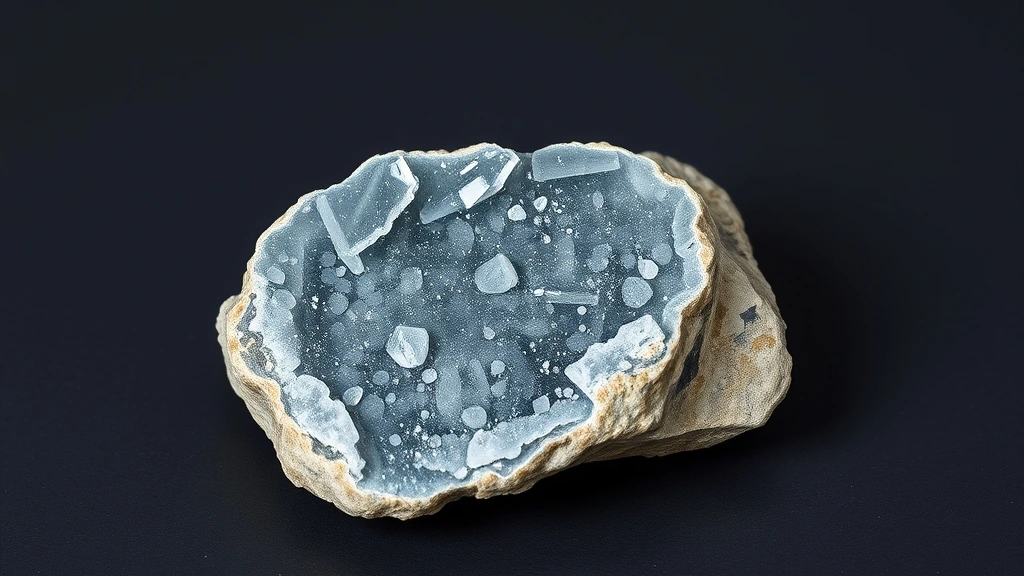
Microcline belongs to the feldspar group, the most abundant mineral family in the Earth’s crust. As a natural mineral/crystal, it forms in granitic pegmatites and high‑grade metamorphic rocks where slow cooling allows well‑developed triclinic crystals to develop. Its typical green shades arise from trace iron‑manganese and titanium, while its cleavage planes give it a distinctive “grid” pattern prized by gem cutters.
What is Microcline Gemstone? Geological Overview & Definition
Microcline is the low‑temperature polymorph of potassium feldspar, crystallizing in the triclinic system after the high‑temperature orthoclase cools below ~400 °C. This structural transition produces the characteristic “tartan” twinning visible under polarized light, a diagnostic feature for gemologists.
In the field, microcline occurs as massive aggregates or as well‑formed tabular crystals up to several centimeters across. Its granitic pegmatite origins mean it often coexists with quartz, mica, and beryl, creating visually appealing mineral assemblages that are cut into cabochons or faceted gems.
Microcline Gemstone Chemical Composition & Crystallographic Properties
The ideal chemical formula KAlSi₃O₈ reflects a framework of SiO₄ tetrahedra linked by Al³⁺ substitution, balanced by K⁺ cations in the interstices. Minor cation substitution (Na⁺, Ca²⁺) is common, subtly altering density (2.5–2.6 g cm⁻³) and refractive indices (nα = 1.514–1.529, nβ = 1.518–1.533, nγ = 1.521–1.539).
Microcline’s triclinic lattice lacks symmetry axes, giving three unequal axes that intersect at oblique angles. This low symmetry permits the formation of pericline and albite twins, producing the familiar cross‑hatched pattern that distinguishes it from orthoclase.
The mineral is acid‑sensitive; exposure to strong acids can leach potassium and alter surface luster, so careful cleaning with neutral pH solutions is recommended for gemstone care. Its chromophore color centers stem from Fe²⁺/Fe³⁺ charge‑transfer and Ti⁴⁺ impurities, which absorb specific wavelengths and generate the characteristic green to bluish tones.
Thermally, microcline is stable up to ~1150 °C, beyond which it reverts to orthoclase or melts. Heating can cause color fading as Fe‑Ti charge‑transfer complexes break down, a factor gem cutters consider when annealing or polishing the stone.
| Property | Specification |
|---|---|
| Mineral Group | Natural Mineral / Crystal |
| Chemical Formula | KAlSi₃ O₈ |
| Mohs Hardness | 6–6.5 |
| Crystal System | Triclinic |
| Specific Gravity (Density) | 2.5–2.6 |
| Refractive Index | nα = 1.514 – 1.529 nβ = 1.518 – 1.533 nγ = 1.521 – 1.539 |
| Color & Optical Properties | Natural Microcline Gemstone color spectrum and optical dispersion |
| Primary Mining Localities | Global primary localities |
| Water & Chemical Resistance | High (Safe for gentle water washing) |
| Chakra Alignment (Traditional) | Heart Chakra |
| Zodiac Affinity (Traditional) | Taurus, Virgo |
| Symbolic Meaning (Traditional) | Emotional balance, inner peace, and spiritual grounding |
Microcline Gemstone Varieties & Color Spectrum
Microcline exhibits a diverse range of color morphs driven by trace element substitutions within its triclinic crystal structure. The most commercially significant variety is the iridescent “Labradorite” type, though true microcline often displays distinct optical properties. Understanding these variations is crucial for accurate gemological identification and valuation.
Snowflake Obsidian
This striking variety features white microcline crystals embedded in a black volcanic glass matrix. The snowflake inclusions form as the magma cools, trapping feldspar crystals that create a star-like pattern. It is highly prized for its high-contrast visual signature and metaphysical grounding properties.
Labradorite
While technically a distinct feldspar, it is frequently traded alongside microcline due to similar iridescence and optical effects. This variety displays vibrant flashes of blue, green, and gold caused by light interference. It is widely sourced from Canada and Finland, making it a popular choice for cabochon cutting.
Orthoclase
Often confused with microcline, this variety shares the same chemical formula but differs in crystal symmetry. It typically appears in shades of pink, white, or gray, with a glassy to pearly luster. Its Mohs hardness of 6–6.5 makes it suitable for jewelry, though it requires careful handling.
Anorthoclase
This rare variety is distinguished by its orthorhombic habit and distinct cleavage patterns. It usually presents in pale yellow, brown, or colorless tones, lacking the strong iridescence of other feldspars. Its geological rarity makes it a sought-after specimen for mineral collectors and advanced gemologists.
Moonstone
Although primarily associated with orthoclase, some moonstones contain significant microcline admixtures. The adularescence effect creates a soft, floating sheen that moves across the stone’s surface. This variety is highly valued for its ethereal beauty and association with the heart chakra.
Where is Microcline Gemstone Found? Geological Mining & Extraction
Microcline primarily forms in alkali feldspar pegmatites and coarse-grained granitic rocks worldwide. These deposits are often found in regions with significant igneous activity, such as the Canadian Shield and the Scandinavian Peninsula. The pegmatite matrix provides the necessary space for large, well-formed crystals to develop over millions of years.
Major mining operations occur in Brazil, Madagascar, and the United States, particularly in Maine and New Mexico. Extraction methods typically involve open-pit mining followed by careful hand-sorting to identify high-quality gem material. The density of 2.5–2.6 helps distinguish genuine specimens from synthetic imitations during initial processing.
Historical Significance & Cultural Lore of Microcline Gemstone
Ancient civilizations revered feldspar varieties for their perceived ability to enhance spiritual awareness and emotional balance. Archaeological findings in Egypt and Mesopotamia reveal polished feldspar beads used in ceremonial jewelry and burial rites. These artifacts indicate a deep cultural connection between the stone’s iridescent qualities and divine protection.
In modern times, microcline has gained popularity in alternative healing practices, specifically for its alignment with the Heart Chakra. Practitioners believe it promotes inner peace and emotional stability, making it a staple in meditation and yoga communities. This enduring legacy ensures its continued relevance in both gemological and esoteric contexts.
Modern Uses & Jewelry Applications of Microknife Gemstone
Microcline is prized for its grid‑iron twinning and subtle green hues, making it a favorite among lapidaries. Skilled cutters often shape it into smooth cabochons that showcase its chatoyant sheen, while precision faceting can reveal a faint fire reminiscent of jade. In addition to rings and pendants, artisans carve ornamental beads and small figurines for decorative art.
- Cabochon pendants highlighting the stone’s translucent depth
- Faceted earrings that accentuate its slight birefringence
- Carved cameos and intaglios for vintage‑style jewelry
- Decorative inlay panels for high‑end watch faces or luxury accessories
Metaphysical Properties & Traditional Meaning of Microknife Gemstone
According to historical traditions and metaphysical lore, microcline is associated with emotional balance and a calming inner steadiness. Practitioners believe the stone nurtures inner peace, helping the wearer release anxiety and align with the heart’s compassionate rhythm. Its subtle energy is said to ground spiritual aspirations, fostering a sense of rootedness while encouraging gentle self‑reflection.
Which Chakra and Zodiac Signs Align with Microknife Gemstone?
Microknife resonates directly with the Heart Chakra, supporting love, forgiveness, and the flow of compassionate energy throughout the body. When placed over the chest, the stone is thought to amplify emotional openness and promote harmonious relationships.
In astrology, microknife’s vibration is linked exclusively to Taurus and Virgo. These earth signs value stability, practicality, and a deep connection to nature—qualities mirrored in the stone’s steady, grounding presence.
How to Identify Real vs. Fake Microknife Gemstone
Artificial imitations of microknife include colored glass, resin, and dyed quartz that mimic its green tint but lack the characteristic crystal twinning. Synthetic versions may be produced under high pressure, yet they often display uniform clarity and a different refractive index. Dyed replicas can be identified by uneven coloration that fades under prolonged light exposure.
Practical At-Home Authenticity Tests
- Temperature Test (Thermal Feel): Real microknife feels cool to the touch and retains that coolness longer than glass or plastic, which quickly warm to skin temperature.
- Specific Gravity & Weight Test: With a density of 2.5–2.6 g/cm³, genuine microknife is noticeably heavier than glass (≈2.4 g/cm³) when held against a similarly sized specimen.
- Scratch & Hardness Test (Mohs Comparison): Using a steel nail (hardness ~5.5) will leave no mark on authentic microknife (hardness 6–6.5), whereas softer imitations will show visible scratches.
- Microscopic & Loupe Inspection (Internal Inclusions): Under 10× magnification, true microknife reveals characteristic grid‑iron twinning and minute inclusions; glass or resin will appear uniformly flawless or display bubbles.
Microcline Gemstone Valuation Factors, Grading & Pricing
Color Saturation is the primary driver of value, with deep, uniform tones commanding higher prices. Gemologists assess the consistency of the adularescence or iridescence across the stone’s surface. High optical clarity and a strong vitreous luster further enhance the gem’s visual appeal and market desirability.
Carat Weight significantly impacts pricing, as larger, well-formed crystals are rarer and more difficult to cut. Facet symmetry ensures optimal light return, while the presence of a matrix or inclusions can reduce value. Clean stones without visible fractures or heavy internal flaws are preferred by serious collectors.
Geographical Provenance Premium often applies to stones from renowned localities like Madagascar or Brazil. Wholesale prices vary based on supply, but retail values typically include a substantial markup for cutting and polishing. Market trends show steady demand for high-quality specimens used in both jewelry and mineral collections.
How to Clean and Care for Microcline Gemstone
To maintain the stone’s integrity, use warm soapy water and a soft cloth for gentle cleaning. This method effectively removes oils and dust without risking damage to the crystal structure. Always dry the gemstone thoroughly with a lint-free cloth after washing to prevent water spots.
You must avoid ultrasonic cleaners entirely, as the vibrations can cause structural fractures in the triclinic lattice. The stone’s hardness of 6–6.5 makes it susceptible to shock damage from high-frequency sound waves. Stick to manual, low-impact cleaning methods to preserve the gem’s longevity and optical properties.
Cleansing and Recharging Microcline Gemstone (Energetic Care)
For energetic cleansing, use smoke smudging with sage or palo santo to clear negative vibrations. This dry method avoids any contact with water, ensuring the mineral’s chemical stability remains intact. Allow the smoke to pass over the stone for a few minutes before storing it.
To recharge the gem, place it on a selenite plate or expose it to moonlight overnight. These methods align with the stone’s association with the Heart Chakra and promote spiritual grounding. Ensure the stone is stored in a dry, safe environment to prevent accidental physical impact.
Frequently Asked Questions About Microzero Gemstone
What is the chemical composition of microcline?
Microcline is a potassium feldspar with the formula KAlSi3O8. This triclinic silicate mineral contains aluminum, silicon, and oxygen in a tightly packed lattice, giving it a characteristic hardness of 6–6.5 on the Mohs scale and a specific gravity of 2.5–2.6.
How hard is microcline compared to other gemstones?
Microcline rates 6–6.5 on the Mohs hardness scale. It is harder than most agates but softer than quartz, meaning it can resist everyday wear yet should be protected from sharp impacts. Its moderate hardness makes it suitable for pendants and earrings when set securely.
Can I wear microcline jewelry while swimming or showering?
Yes, microcline is water‑resistant and safe for gentle water washing. Routine exposure to rain or a light shower will not damage the stone, but prolonged soaking or harsh detergents can dull its surface. Always dry the piece with a soft cloth afterward.
Should I clean my microcline gemstone with an ultrasonic cleaner?
No, avoid ultrasonic cleaners; use warm soapy water and a soft cloth instead. Ultrasonic vibrations can create micro‑fractures in the crystal lattice, especially along its cleavage planes. Gentle hand cleaning preserves the stone’s brilliance and structural integrity.
Which zodiac signs are most compatible with microcline?
Microcline aligns with the zodiac signs Taurus and Virgo. These earth signs value stability and practicality, mirroring the stone’s grounding energy. Wearing microcline is believed to enhance the analytical and patient traits typical of these signs.
Which chakra does microcline primarily activate?
Microcline is associated with the Heart Chakra. This connection supports emotional balance, inner peace, and spiritual grounding, helping the wearer open to compassion while maintaining a calm, centered heart center during meditation or daily activities.
How does microcline’s refractive index affect its appearance?
Microcline’s refractive indices range from nα = 1.514–1.529 to nγ = 1.521–1.539. The modest birefringence produces a subtle play of light, often revealing faint twinning or gridiron patterns that enhance its visual depth without the fire of higher‑index gems.
Is microcline suitable for everyday wear in rings?
Microcline can be set in rings but requires protective settings. Its 6–6.5 hardness tolerates daily use, yet its cleavage planes make it vulnerable to chips from hard impacts. A bezel or protective prong setting helps safeguard the stone while showcasing its natural beauty.