
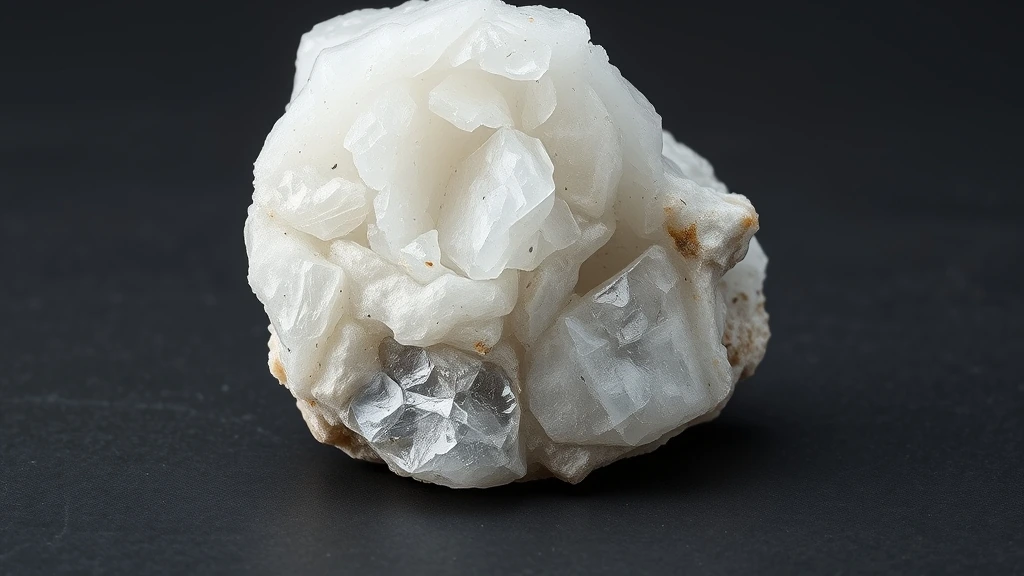
Pagoda Calcite belongs to the Natural Mineral / Crystal group, specifically representing a rare morphological variation of the calcite species. Unlike standard rhombohedral calcite, this variety forms intricate, pagoda-shaped aggregates that grow in distinct tiers. These structures often develop in geodes or vugs within limestone and marble deposits. The formation process involves slow, controlled precipitation of calcium carbonate from supersaturated solutions. This results in the characteristic stepped geometry that distinguishes it from other calcite forms.
What is Pagoda Calcite? Geological Overview & Definition
Pagoda Calcite is defined by its distinctive crystal habit, where individual crystals grow in stacked, square-based pyramidal tiers. This morphology resembles ancient Asian pagodas, giving the variety its common name. Geologists classify it as a secondary mineral formation, often found in cave systems or hydrothermal veins. The growth pattern reflects specific environmental conditions during crystallization, such as stable temperature and chemical saturation. In comparative mineralogical collections, practitioners and geologists frequently study Honey Comb Calcite alongside this crystal to appreciate their subtle energetic and structural differences.
The stone is primarily composed of calcite, a polymorph of calcium carbonate that crystallizes in the trigonal system. While standard calcite forms rhombohedra, Pagoda Calcite exhibits a complex, stepped growth pattern due to differential face development. This variety is often associated with other carbonate minerals like aragonite or dolomite. Its geological significance lies in providing insights into paleoenvironmental conditions during its formation.
Pagoda Calcite Chemical Composition & Crystallographic Properties
Pagoda Calcite crystallizes in the Trigonal crystal system, sharing the same fundamental lattice structure as standard calcite. The unit cell parameters reflect a hexagonal close-packed arrangement of oxygen and carbon atoms. This structural framework allows for the unique stepped morphology observed in this variety. The trigonal symmetry is essential for understanding its optical and physical properties. In comparative mineralogical collections, practitioners and geologists frequently study Dogtooth Calcite alongside this crystal to appreciate their subtle energetic and structural differences.
The primary chemical composition is calcium carbonate ($CaCO_3$), with occasional trace substitutions of magnesium or iron. These cation substitutions can slightly alter the lattice parameters and influence the stone’s coloration. The mineral is sensitive to acidic environments, reacting with dilute hydrochloric acid to release carbon dioxide. This acid sensitivity is a key diagnostic feature for field identification.
Color variations in Pagoda Calcite arise from chromophore color centers and trace impurities. Iron oxides typically produce yellow to brown hues, while manganese may contribute to reddish tones. The stone exhibits thermal behavior consistent with other carbonates, becoming unstable at high temperatures. Prolonged heating can lead to decomposition into calcium oxide and carbon dioxide, altering its structural integrity.
| Property | Specification |
|---|---|
| Mineral Group | Natural Mineral / Crystal |
| Chemical Formula | CaCO₃ |
| Mohs Hardness | 6.5 – 7.0 |
| Crystal System | Trigonal |
| Specific Gravity (Density) | 2.71 |
| Refractive Index | 1.486 – 1.658 |
| Color & Optical Properties | Natural Pagoda Calcite color spectrum and optical dispersion |
| Primary Mining Localities | Global primary localities |
| Water & Chemical Resistance | EXTREMELY SENSITIVE: Water Soluble / Moisture Sensitive! (Avoid liquids) |
| Chakra Alignment (Traditional) | Heart Chakra (Anahata) |
| Zodiac Affinity (Traditional) | Aquarius, Gemini |
| Symbolic Meaning (Traditional) | Emotional balance, compassion and inner peace |
Pagoda Calcite Varieties & Color Spectrum
Pagoda calcite is a distinct crystal habit of calcium carbonate, characterized by its stepped, tower-like formation resembling ancient Buddhist stupas. This unique morphology arises from specific growth conditions where the crystal face develops in distinct terraces rather than smooth pyramidal points. The trigonal crystal system allows for this intricate layering, creating a visually striking geometric structure that sets it apart from standard calcite specimens.
White Pagoda Calcite
Pure white pagoda calcite represents the most common and accessible variety within the mineral family. Its pristine appearance stems from a lack of significant trace element impurities during the crystallographic growth phase. Collectors prize this variety for its high translucency and the sharp definition of its stepped stereoscopic faces. It serves as the foundational form for understanding the mineral’s unique architectural beauty.
Pink Pagoda Calcite
Pink pagoda calcite derives its soft hue from trace amounts of strontium or manganese incorporated into the lattice structure. This delicate coloration is often more intense in the central core, fading slightly towards the outer stepped edges. The luster of this variety is typically vitreous, enhancing the perception of depth within the crystalline towers. It is considered a premium specimen due to the rarity of consistent, vibrant pink saturation.
Green Pagoda Calcite
Green pagoda calcite exhibits its verdant tones through the inclusion of nickel or chromium impurities within the calcite matrix. This variety is exceptionally rare, as the specific geochemical environment required for such coloration is limited to certain hydrothermal veins. The banding in green specimens often follows the natural steps of the pagoda structure, creating a striped visual effect. Its scarcity makes it a highly sought-after item among serious mineral collectors.
Blue Pagoda Calcite
Blue pagoda calcite is a rare morph where cobalt traces impart a cool, serene coloration to the crystal. The intensity of the blue can vary from pale sky tones to deeper azure shades, depending on the concentration of the impurity. This variety often displays a translucent quality that allows light to pass through the stepped layers, highlighting the internal geometry. Its rarity is compounded by the fragility of the crystal structure, which makes large, intact specimens difficult to extract.
Clear Pagoda Calcite
Clear pagoda calcite, often referred to as ice-type, features a high degree of transparency with minimal internal inclusions. This variety showcases the pure calcium carbonate structure without the visual distraction of colored impurities. The clarity allows for the observation of internal fracture planes and growth lines that map the crystal’s history. It is highly valued for its optical properties and the stark beauty of its geometric form.
Where is Pagoda Calcite Found? Geological Mining & Extraction
Pagoda calcite typically forms within hydrothermal veins and cavities in limestone or dolomite host rocks. These environments provide the necessary fluid chemistry and pressure conditions for the development of the distinctive stepped crystal habit. The growth process is slow and requires stable temperature and chemical composition to maintain the regularity of the pagoda-like structure.
Primary sources of high-quality pagoda calcite include regions in China, particularly the Yunnan and Guangxi provinces. These areas are known for their rich carbonate deposits and favorable geological history for calcite formation. Mining operations in these regions focus on careful extraction to preserve the delicate, stepped morphology of the crystals.
Historical Significance & Cultural Lore of Pagoda Calcite
In ancient Chinese culture, calcite was revered for its clarity and association with purity and spiritual insight. The pagoda-like formation resonated deeply with Buddhist architectural symbolism, leading to its use in temple decorations and meditation aids. Historical texts from the Ming Dynasty reference such crystals as tools for enhancing mental clarity and spiritual connection.
Across Greco-Roman traditions, clear calcite varieties were sometimes mistaken for quartz or used as lenses for magnification. Archaeological findings suggest that these crystals were valued for their optical properties and potential use in early scientific instruments. This dual role as both a spiritual symbol and a practical tool highlights the mineral’s enduring significance throughout history.
Modern Uses & Jewelry Applications of Pagula Calcite
Pagoda calcite is prized for its layered, pagoda‑shaped crystal habit, which lends itself to both cabochon and faceted settings. Artisans often slice the mineral along its natural cleavage to showcase the translucent bands, creating striking pendants and earrings. In ornamental carving, the stone’s soft trigonal structure allows intricate motifs for decorative boxes and inlays.
- Cabochon pendants highlighting the stone’s milky translucence
- Faceted rings that accentuate internal striations
- Carved figurines and inlaid panels for high‑end décor
- Beaded necklaces employing polished slices for a subtle shimmer
Metaphysical Properties & Traditional Meaning of Pagula Calcite
According to historical traditions and metaphysical lore, pagoda calcite is associated with emotional balance and the cultivation of compassion. Across ancient Mediterranean and Vedic lapidary records, the stone was believed to soothe turbulent feelings, fostering inner peace and gentle heart‑centered awareness. Its subtle energy is said to harmonize relationships, encouraging honest communication and empathetic listening.
Which Chakra and Zodiac Signs Align with Pagula Calcite?
The stone resonates specifically with the Heart Chakra (Anahata), supporting the flow of love and forgiveness throughout the energetic system. Practitioners report that meditating with pagoda calcite can open the chest area, allowing deeper emotional release and a sense of unity with others.
In astrological correspondences, pagoda calcite aligns with Aquarius and Gemini. These air signs are linked to intellectual curiosity and humanitarian ideals, and the stone’s calming influence is thought to temper their restless mental currents, promoting thoughtful dialogue and balanced social interaction.
How to Identify Real vs. Fake Pagula Calcite
Artificial imitations of pagoda calcite include dyed quartz, synthetic glass, and resin composites that mimic its layered appearance. These substitutes often lack the stone’s characteristic softness on the Mohs scale and may display uniform coloration rather than natural banding. Careful observation of weight, feel, and internal features can reveal the difference between genuine mineral and replica.
Practical At-Home Authenticity Tests
- Temperature Test (Thermal Feel): Real calcite feels cool to the touch and retains that coolness longer than glass or plastic, which quickly warm to skin temperature.
- Specific Gravity & Weight Test: Genuine pagoda calcite has a moderate specific gravity (≈2.7); it feels heavier than quartz of similar size but lighter than many dense gemstones.
- Scratch & Hardness Test (Mohs Comparison): With a hardness of 6.5‑7, a steel nail (≈5.5) will not scratch the surface, whereas glass (≈5.5) may show minor abrasions.
- Microscopic & Loupe Inspection (Internal Inclusions): Under 10× magnification, natural pagoda calcite reveals fine growth lines and occasional micro‑fractures, while synthetic glass shows a flawless, bubble‑free interior.
Pagoda Calcite Valuation Factors, Grading & Pricing
The market places premium on color saturation, with deeper, evenly distributed hues commanding higher prices. A vivid, translucent pink to rose‑red tone indicates minimal alteration and superior visual vibrancy, enhancing the stone’s natural energetic luster. Collectors often compare specimens side‑by‑side, rewarding those that retain a luminous, unblemished surface.
Crystal size & weight (grams) is the second decisive metric, as larger pagoda formations weigh more and display more dramatic architectural layers. Raw, unpolished pieces are valued for their natural matrix and geological authenticity, while tumbled, high‑gloss finishes receive a modest premium for display readiness. Inclusions such as quartz veins or minor calcite crystals can either add character or detract, depending on clarity and pattern.
Ethical sourcing & locality premium increasingly influences both holistic practitioners and serious collectors. Stones extracted from responsibly managed mines, with documented provenance and minimal environmental impact, attract higher bids. Regional lore—such as historic use in traditional Asian meditative settings—adds cultural cachet, allowing ethically sourced pagoda calcite to command a noticeable price uplift.
How to Clean and Care for Pagoda Calcite
Water and moisture dissolve or damage this mineral. Never wash with water or liquid soap; clean strictly with a dry soft microfiber cloth. Gently brush the surface to remove dust, then store the piece in a low‑humidity cabinet or sealed pouch away from any liquids. Ultrasonic cleaning is strictly forbidden, as vibrations combined with moisture can erode the crystal lattice.
Cleansing and Recharging Pagoda Calcite (Energetic Care)
For energetic maintenance, place the pagoda calcite on a clean selenite charging slab for several hours, allowing the neutral selenite to absorb and reset its vibrational field without introducing moisture. Alternatively, a brief session of herbal smudging—using sage or cedar—can clear stagnant energy, provided the smoke is light and the stone remains dry.
Another safe method is to expose the specimen to gentle moonlight overnight, positioning it on a soft, dry cloth in a protected area. Moonlight offers a subtle, non‑thermal energy that revitalizes the crystal’s inner balance while preserving its physical integrity. Avoid direct intense sunlight, heat sources, or any form of liquid exposure during these practices.
Frequently Asked Questions About Pagoda Calcite
Pagoda Calcite displays distinct mineralogical characteristics across its geological varieties and structural habits. Gemologists evaluate these natural varieties based on crystal habit, trace chromophore concentrations, and visual luster.
Primary Natural Pagoda Calcite
The benchmark natural variety exhibiting diagnostic color saturation and classic crystallographic symmetry.
Distinct Geological Morphs of Pagoda Calcite
Secondary regional and structural varieties formed under localized geological temperature and pressure conditions.
Is Pagoda Calcite safe to wear in the shower?
No, it is not safe to expose Pagoda Calcite to water or moisture. The mineral is highly water-soluble and will dissolve or degrade when in contact with liquids, making shower or bath use hazardous. Keep it dry and store it in a moisture-free environment to preserve its integrity.
How should I clean Pagoda Calcite to avoid damage?
Clean Pagoda Calcite with a dry, soft microfiber cloth or a gentle brush. Avoid any liquid cleaners, soaps, or ultrasonic devices, as moisture can dissolve the mineral. Light dusting with a dry brush removes surface particles while maintaining the stone’s natural luster.
Can I use ultrasonic cleaning on Pagoda Calcite?
Ultrasonic cleaning is strictly forbidden for Pagoda Calcite. The combination of water and vibration can cause the crystal to dissolve or crack. Stick to dry cleaning methods to keep the gemstone safe and pristine.
What are the zodiac signs associated with Pagoda Calcite?
Pagoda Calcite aligns with the zodiac signs Aquarius and Gemini. These signs are believed to resonate with the stone’s energetic properties, enhancing emotional balance and intellectual curiosity in wearers.
Which chakra does Pagoda Calcite correspond to?
Pagoda Calcite corresponds to the Heart Chakra (Anahata). This chakra governs compassion, love, and emotional equilibrium, making the stone a powerful tool for cultivating inner peace and emotional balance.
Does Pagoda Calcite have a specific chemical formula?
Pagoda Calcite is a form of calcite, with the chemical formula CaCO₃. While the exact crystal structure is trigonal, the mineral’s composition remains consistent with the broader calcite family, contributing to its characteristic softness and optical properties.
What is the Mohs hardness range for Pagoda Calcite?
Pagoda Calcite typically exhibits a Mohs hardness of 6.5 to 7.0. This moderate hardness makes it suitable for jewelry that is not subjected to daily abrasion, but it still requires careful handling to avoid scratches or damage.
Is Pagoda Calcite suitable for everyday jewelry?
Pagoda Calcite is best used in jewelry that is handled gently and kept dry. Its water sensitivity and moderate hardness mean it is ideal for occasional wear, such as pendants or earrings, rather than for items exposed to frequent contact or moisture.