
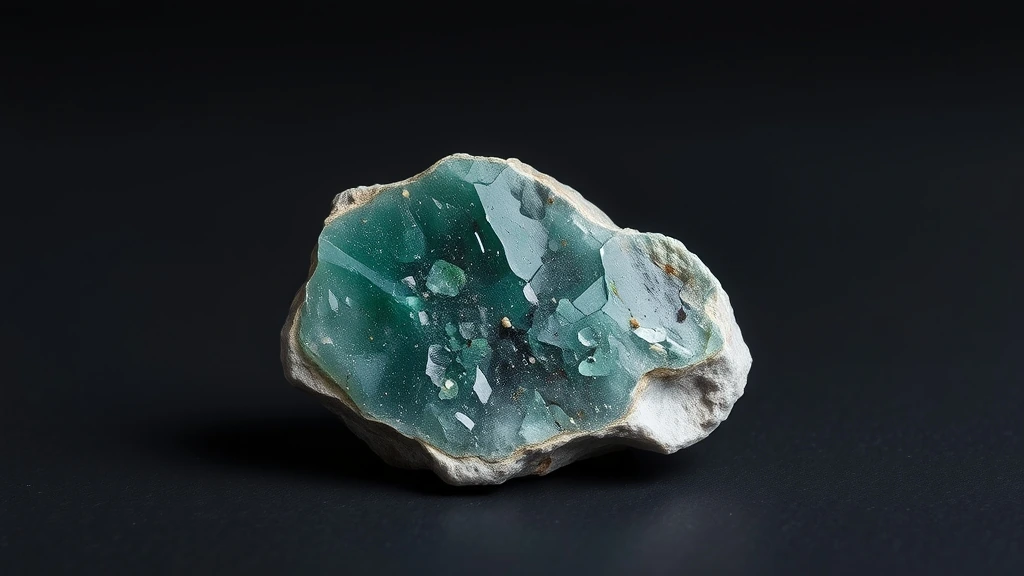
Palygorskite belongs to the natural mineral group, specifically classified as a clay mineral within the sepiolite-palygorskite supergroup. It forms through the alteration of volcanic ash or igneous rocks in alkaline environments. This process creates a fibrous, needle-like structure that distinguishes it from other phyllosilicates. Its geological origin links it directly to hydrothermal activity and sedimentary deposition. Consequently, it is found globally in diverse tectonic settings. Understanding its formation is crucial for accurate identification in gemological contexts. In comparative mineralogical collections, practitioners and geologists frequently study Lodestone Magnetite alongside this crystal to appreciate their subtle energetic and structural differences.
What is Palygorskite ? Geological Overview & Definition
Palygorskite is primarily a clay mineral rather than a traditional gemstone, valued more for its industrial and therapeutic properties. It occurs in massive, fibrous aggregates that rarely form large, facetable crystals suitable for jewelry. The mineral is chemically distinct from sepiolite, though both share similar structural frameworks and formation conditions. In comparative mineralogical collections, practitioners and geologists frequently study Analcime alongside this crystal to appreciate their subtle energetic and structural differences.
Its geological significance lies in its ability to absorb heavy metals and toxins, making it vital for environmental remediation. In gemology, it is often cut into cabochons to showcase its soft luster and unique texture. The fibrous habit of the mineral creates a distinctive visual appeal that appeals to collectors. This structure also contributes to its relatively low density and porosity.
Palygorskite Chemical Composition & Crystallographic Properties
The mineral crystallizes in the monoclinic system, though some sources note orthorhombic variations depending on the specific specimen. Its lattice structure consists of single chains of tetrahedra linked by octahedral sheets. This arrangement creates long, straight channels that run parallel to the c-axis. These channels are critical for the mineral’s high cation exchange capacity.
The chemical formula Mg₇Al₄Si₈O₂₄(OH)₁₀·4H₂O reflects a complex balance of cations and water molecules. Magnesium and aluminum occupy the octahedral sites, while silicon forms the tetrahedral backbone. Cation substitution between magnesium and aluminum can vary, influencing the mineral’s electrical properties. This variability allows palygorskite to adapt to different geological environments during formation.
Coloration is typically derived from iron impurities, resulting in shades of brown, gray, or green. These chromophore centers are not intrinsic to the pure silicate structure but arise from trace elements. The mineral is sensitive to strong acids, which can dissolve the silicate framework and release the cations. Thermal behavior shows that heating drives off structural water, leading to a phase transition.
At high temperatures, palygorskite transforms into a more stable, amorphous silica phase. This thermal stability makes it useful in high-temperature applications, such as refractory materials. The loss of water molecules alters the crystal lattice, reducing its porosity and volume. Understanding these thermal properties is essential for industrial processing and preservation.
| Property | Specification |
|---|---|
| Mineral Group | Natural Mineral / Crystal |
| Chemical Formula | Mg₇Al₄Si₈O₂₄(OH)₁₀·4H₂O |
| Mohs Hardness | 2 – 2.5 |
| Crystal System | Monoclinic |
| Specific Gravity (Density) | 1 – 2.6 |
| Refractive Index | n α = 1.522 – 1.528 n β = 1.530 – 1.546 n γ = 1.533 – 1.548 |
| Color & Optical Properties | Natural Palygorskite Gemstone color spectrum and optical dispersion |
| Primary Mining Localities | Global primary localities |
| Water & Chemical Resistance | High (Safe for gentle water washing) |
| Chakra Alignment (Traditional) | Root Chakra, Sacral Chakra |
| Zodiac Affinity (Traditional) | Virgo, Capricorn |
| Symbolic Meaning (Traditional) | Grounding, purification, and physical protection |
Palygorskite Varieties & Color Spectrum
Palygorskite exhibits a diverse range of colors driven by trace element substitutions within its fibrous crystal lattice. The most common hues include white, gray, yellow, and brown, with rarer green and blue specimens commanding higher collector interest. These color variations result from iron, manganese, or copper impurities replacing magnesium or aluminum sites.
White Palygorskite
This variety appears as translucent, needle-like aggregates with a distinct waxy luster and high purity. It forms in silica-rich environments where minimal iron contamination occurs during diagenesis. White specimens are often found in association with quartz and calcite veins.
Yellow Palygorskite
Characterized by iron oxide inclusions, this morph displays a warm, ochre to golden hue. It typically forms in oxidized zones of clay deposits where groundwater carries dissolved ferric ions. The color intensity correlates directly with the concentration of hematite or goethite impurities.
Green Palygorskite
Rare green specimens owe their color to copper or chromium substitution within the silicate structure. These crystals often form in hydrothermal veins associated with copper sulfide ores. The fibrous habit remains consistent, but the green tint provides a striking visual contrast.
Brown Palygorskite
This common variety features manganese-rich inclusions that create a deep, earthy brown appearance. It is frequently found in weathered clay deposits and laterite soils across tropical regions. The fibrous texture is often interwoven with other clay minerals like kaolinite.
Blue Palygorskite
Extremely rare blue palygorskite is attributed to structural color effects or trace cobalt impurities. These specimens are highly sought after by collectors for their unusual chromatic properties. They typically occur in specific hydrothermal settings where cobalt-bearing fluids interacted with the clay matrix.
Where is Palygorskite Found? Geological Mining & Extraction
Palygorskite primarily forms in sedimentary clay deposits and volcanic ash tuffs, rather than traditional gemstone pegmatites. It crystallizes from silica-rich solutions in low-temperature environments, often filling voids in host rocks like sandstone or shale. Major commercial deposits are located in Mexico, the United States, and several African nations.
Extraction involves open-pit mining or quarrying of clay-rich strata, followed by washing and sorting processes. The fibrous nature of the mineral requires careful handling to preserve crystal integrity for gemological use. Significant deposits are also found in India, China, and the Middle East, supporting both industrial and niche gem markets.
Historical Significance & Cultural Lore of Palygorskite
Ancient civilizations utilized palygorskite primarily for its adsorptive and binding properties in construction and medicine. Archaeological evidence suggests its use in ancient Egyptian plaster mixes and as a component in herbal remedies for digestive ailments. Its fibrous structure made it an effective natural binder in early composite materials.
In modern metaphysical traditions, palygorskite is associated with grounding and purification, aligning with the root and sacral chakras. Collectors value it for its unique fibrous aesthetics and perceived protective qualities. This mineral continues to bridge ancient practical applications with contemporary spiritual and decorative practices.
Modern Uses & Jewelry Applications of Palygorskite
Due to its low hardness and friable nature, palygorskite is rarely cut into high-faceted gems for daily wear. Instead, lapidaries typically shape it into smooth cabochons or small ornamental carvings that highlight its earthy, fibrous texture. These pieces are often set in protective bezels to prevent chipping during handling.
- Cabochon Cutting: Polished into domed, smooth surfaces to showcase the mineral’s unique luster and color variations without risking fracture.
- Ornamental Carving: Shaped into small figurines or decorative stones for collectors who value its geological rarity over durability.
- Beads and Pendants: Drilled carefully to create lightweight jewelry pieces, often paired with harder metals like silver for structural support.
Metaphysical Properties & Traditional Meaning of Palygorskite
According to historical traditions and metaphysical lore, palygorskite is revered for its deep grounding and purification properties. Practitioners believe this earthy stone helps anchor the wearer’s energy, fostering a sense of stability and physical protection. It is often used in meditation to clear stagnant energy and promote a calm, centered state of mind.
The stone’s fibrous structure is symbolically linked to weaving together disparate aspects of the self. This creates a holistic sense of physical protection and emotional resilience. Users report feeling a strengthened connection to the earth, which aids in managing stress and enhancing overall well-being through consistent use.
Which Chakra and Zodiac Signs Align with Palygorskite ?
In metaphysical practice, palygorskite is primarily aligned with the Root Chakra and the Sacral Chakra. The Root Chakra connection supports feelings of safety, security, and basic survival needs. Meanwhile, the Sacral Chakra alignment encourages creative flow and emotional balance, helping to release suppressed feelings.
Astrologically, this stone resonates strongly with the earth signs Virgo and Capricorn. Virgos appreciate the stone’s purifying qualities, which aid in their natural desire for order and health. Capricorns benefit from its grounding energy, which reinforces their ambition and provides a stable foundation for achieving long-term goals.
How to Identify Real vs. Fake Palygorskite
Identifying genuine palygorskite requires attention to its distinct physical characteristics, as it is sometimes confused with other clay minerals or imitated by synthetic materials. Synthetic glass or dyed replicas may lack the natural fibrous inclusions and earthy tone of the real mineral. Be wary of stones that appear too uniform or possess an unnatural, plastic-like sheen.
Practical At-Home Authenticity Tests
- Temperature Test (Thermal Feel): Genuine palygorskite feels cool to the touch initially but warms up quickly in your hand. Synthetic glass imitations often retain their temperature longer or feel distinctly different from natural stone.
- Specific Gravity & Weight Test: With a density ranging from 1 – 2.6, real palygorskite feels surprisingly light for its size. Heavier stones of similar appearance may indicate denser, non-palygorskite materials.
- Scratch & Hardness Test (Mohs Comparison): Palygorskite has a Mohs hardness of 2 – 2.5, meaning it is very soft. A copper coin (hardness ~3.5) should easily scratch the surface, while the stone itself will not scratch glass.
- Microscopic & Loupe Inspection (Internal Inclusions): Use a 10x loupe to look for natural fibrous inclusions and slight color zoning. Perfectly clear stones or those with uniform, bubble-like imperfections are likely synthetic glass or plastic fakes.
Palygorskite Valuation Factors, Grading & Pricing
Market value hinges primarily on Color Saturation and overall tone uniformity. Collectors prize specimens with consistent, earthy hues that lack mottled discoloration or fading. High optical clarity and a distinct waxy luster further elevate the stone’s aesthetic appeal.
The Specimen Size & Weight of a specimen significantly influences its final price point. Larger, well-formed crystals command higher premiums due to their rarity in the market. tumbled polish and natural geometry is less critical for cabochons, but the presence of intrusive matrix or inclusions reduces value.
Geographical Provenance Premium often dictates the upper limit of retail pricing. Stones from renowned localities, such as Turkey or the United States, fetch higher bids. Wholesale trends show steady demand for high-quality, unfractured specimens among mineral collectors.
How to Clean and Care for Palygorskite
Palygorskite possesses a low Mohs Hardness of 2 to 2.5, making it physically delicate. You must use warm soapy water and a soft cloth for all cleaning tasks. This gentle approach removes surface dust without abrading the fragile crystal structure.
Never submerge this stone in harsh chemicals or place it in ultrasonic cleaners. The vibrational energy can cause structural fractures due to the mineral’s inherent brittleness. Always dry the piece thoroughly with a lint-free cloth after washing.
Cleansing and Recharging Palygorskite (Energetic Care)
For energetic maintenance, utilize safe dry methods that respect the mineral’s solubility. Smoke smudging with sage or palo santo is an effective, non-invasive technique. This practice clears stagnant energy without exposing the stone to moisture or heat.
Alternatively, place the gemstone on a selenite plate under natural moonlight. This method allows for gentle recharging while maintaining the crystal’s physical integrity. Avoid direct sunlight, which may cause potential fading over extended periods.
Frequently Asked Questions About Palygorskite
Is Palygorskite safe to wear in the shower?
Yes, it is safe for gentle water washing. The mineral possesses high water resistance, allowing it to withstand brief exposure to moisture without immediate degradation. However, prolonged soaking should be avoided to maintain its structural integrity. Always dry the stone thoroughly after any water contact to prevent potential surface damage.
How should I clean my Palygorskite jewelry?
Use warm soapy water and a soft cloth. This gentle method effectively removes dirt and oils without stressing the delicate crystal lattice. You must avoid ultrasonic cleaners entirely, as the vibrations can cause structural fractures. Regular, careful maintenance ensures the gemstone retains its natural luster and physical stability over time.
What is the Mohs hardness of Palygorskite?
It measures between 2 and 2.5 on the Mohs scale. This low hardness indicates the mineral is quite soft and susceptible to scratching. Consequently, it is not ideal for rings or bracelets that experience frequent friction. Store it separately from harder gems to preserve its surface finish and prevent permanent abrasion marks.
Which zodiac signs align with Palygorskite?
Virgo and Capricorn are the primary aligned signs. These earth signs resonate deeply with the stone’s grounding and stabilizing energetic properties. Wearing Palygorskite may enhance their natural practicality and connection to the physical world. This alignment supports a sense of security and tangible progress in daily life.
What chakras does Palygorskite activate?
It primarily activates the Root and Sacral Chakras. These energy centers govern feelings of safety, stability, and creative vitality. The stone helps anchor your energy to the earth, promoting physical protection. This dual activation supports both emotional balance and a strong sense of personal identity.
What is the chemical formula of Palygorskite?
The formula is Mg₇Al₄Si₈O₂₄(OH)₁₀·4H₂O. This complex composition classifies it as a hydrous magnesium aluminum silicate. The presence of water molecules within the crystal structure contributes to its unique fibrous texture. Understanding this chemistry helps explain its specific physical and optical properties.
Can Palygorskite be used in ultrasonic cleaners?
No, you must avoid ultrasonic cleaners for this stone. The high-frequency vibrations can induce structural fractures due to its relatively low hardness. Instead, rely on manual cleaning with a soft cloth and mild soap. This precautionary approach prevents irreversible damage to the delicate internal lattice structure.
What is the crystal system of Palygorskite?
It typically crystallizes in the monoclinic system. Some variations may exhibit orthorhombic characteristics, depending on specific geological conditions. This structural arrangement influences its pleochroism and refractive index values. Recognizing these crystallographic details aids in accurate identification and appreciation of the mineral.