
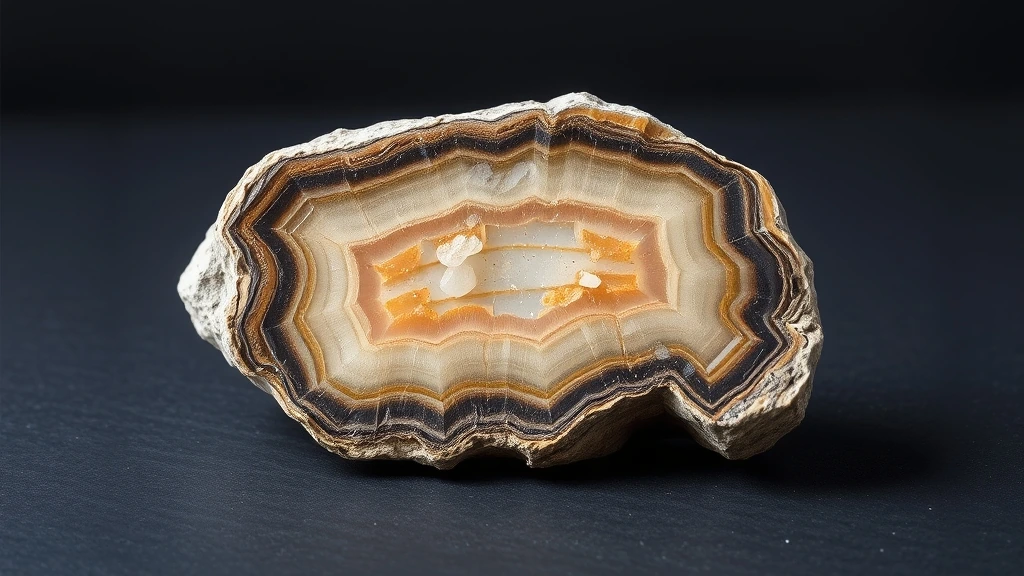
Petrified wood forms when ancient tree trunks are rapidly buried under mineral‑rich sediments, allowing groundwater saturated with dissolved silica to infiltrate the cellular structure. Over millions of years the organic matter is replaced molecule‑by‑molecule, preserving the original growth rings while creating a natural mineral / crystal specimen. The resulting material is classified as an amorphous or cryptocrystalline aggregate, lacking a true long‑range lattice yet exhibiting microscopic silica crystals that give it a glassy luster. This unique genesis bridges paleobotany and mineralogy, positioning petrified wood among both fossil and gemstone categories.
What is Petrified Wood Gemstone? Geological Overview & Definition
Petrified wood is a fossilized remnant of ancient trees, where the original cellulose has been replaced by silica, calcite, or other minerals through permineralization. The process preserves microscopic cellular details, allowing the stone to retain the characteristic grain and ring patterns of its botanical predecessor.
In gemological terms, petrified wood is valued for its organic origin combined with mineral stability, making it suitable for jewelry, decorative objects, and metaphysical practices. Its classification as a natural mineral / crystal reflects its mineral composition despite its biological provenance.
Petrified Wood Gemstone Chemical Composition & Crystallographic Properties
The dominant chemical component of petrified wood is silicon dioxide (SiO₂), often in the form of chalcedony or opal‑type silica, though calcite (CaCO₃) and iron oxides may also be present as secondary phases. These constituents are distributed in a cryptocrystalline matrix, where individual crystals are too small to be seen without microscopy.
Because the material lacks a true macroscopic lattice, it is described as amorphous / cryptocrystalline, meaning the silica particles are randomly oriented yet tightly packed. This disorder gives the stone a uniform hardness and a glass‑like fracture, while still allowing microscopic ordering that influences its optical properties.
Trace cations such as iron (Fe³⁺), manganese (Mn²⁺), and titanium (Ti⁴⁺) substitute into the silica framework, creating chromophore color centers that generate the stone’s warm amber to reddish‑brown palette. These ions absorb specific wavelengths of light, producing the subtle hues prized by collectors.
Petrified wood is acid‑sensitive; exposure to strong acids can dissolve the silica matrix, especially when calcite is present, leading to surface pitting. Thermal treatment above 600 °C can cause dehydration of opaline silica, resulting in a slight loss of translucency and a shift toward a more vitreous appearance.
| Property | Specification |
|---|---|
| Mineral Group | Natural Mineral / Crystal |
| Chemical Formula | SiO₂ (Quartz/Chalcedony matrix replacing organic tissue) |
| Mohs Hardness | 6.5 – 7.0 |
| Crystal System | Trigonal |
| Specific Gravity (Density) | 2.60 – 2.70 |
| Refractive Index | 1.544 – 1.553 |
| Color & Optical Properties | Natural Petrified Wood Gemstone color spectrum and optical dispersion |
| Primary Mining Localities | Global primary localities |
| Water & Chemical Resistance | High (Safe for gentle water washing) |
| Chakra Alignment (Traditional) | Root Chakra, Heart Chakra |
| Zodiac Affinity (Traditional) | Taurus, Virgo, Capricorn |
| Symbolic Meaning (Traditional) | Grounding, stability, and connection to nature |
Petrified Wood Gemstone Varieties & Color Spectrum
Petrified wood, scientifically known as petrified wood or silicified wood, exhibits a vast array of colors derived from trace minerals. The primary mineral component is usually quartz, which replaces the organic cellular structure of ancient trees. This substitution process preserves the original wood grain while introducing vibrant hues.
Agate Petrified Wood
This variety features banded patterns of chalcedony and is highly prized for its translucency. Colors range from deep reds to soft greens, often displaying concentric rings. It forms when silica-rich groundwater permeates the wood over millions of years.
Jasper Petrified Wood
Jasper types are opaque and characterized by their earthy, solid coloration. Common shades include red, yellow, and brown, resulting from iron oxide inclusions. These stones are durable and frequently used in carvings due to their hardness.
Amethyst Petrified Wood
Rare specimens contain amethyst crystals, lending a striking purple hue to the wood. This occurs when manganese impurities are present during the silicification process. Such pieces are exceptionally rare and command high prices in the gem market.
Citrine Petrified Wood
Citrine varieties display warm yellow to orange tones, caused by iron impurities. The color is stable and does not fade under normal lighting conditions. These stones are often found in specific geological formations in Arizona.
Multicolor Petrified Wood
This type showcases a mix of multiple colors within a single piece. It results from varying mineral deposits during the fossilization process. The intricate patterns make each specimen unique and visually captivating.
Where is Petrified Wood Gemstone Found? Geological Mining & Extraction
Petrified wood is primarily found in sedimentary rock formations, particularly sandstone and shale. These deposits often contain fossils from the Cretaceous and Jurassic periods. The wood is typically exposed by erosion or mined from open-pit quarries.
Major extraction sites include the Petrified Forest National Park in Arizona, USA. Significant deposits are also located in Madagascar, Australia, and China. Mining operations focus on preserving the integrity of the fossilized wood for the gem trade.
Historical Significance & Cultural Lore of Petrified Wood Gemstone
Ancient civilizations revered petrified wood as a symbol of eternal life and transformation. Native American tribes used it for ceremonial purposes and believed it held spiritual power. Archaeological evidence shows its use in jewelry and decorative objects across various cultures.
In modern times, petrified wood is appreciated for its geological significance and aesthetic beauty. It serves as a tangible link to prehistoric ecosystems and ancient forests. This dual appeal makes it a popular choice for collectors and gem enthusiasts.
Modern Uses & Jewelry Applications of Petrated Wood Gemstone
Petrated wood is prized for its organic patterns and earthy hues, making it a versatile material in contemporary lapidary work. Artisans often cut the stone into smooth cabochons that showcase its natural grain, while skilled faceters can produce subtle facets that catch light without obscuring the fossilized texture. In addition to wearable pieces, the stone is carved into ornamental objects such as pendants, beads, and decorative inlays for furniture or architectural panels.
- Cabochon pendants highlighting concentric growth rings
- Faceted rings or earrings that balance sparkle with fossil character
- Carved miniatures, animal figures, or wall plaques for interior décor
Metaphysical Uses & Origins of Petrified Wood
According to historical traditions and metaphysical lore, petrated wood embodies grounding energy that links the wearer to ancient forests and the planet’s deep time. It is believed to foster stability, encouraging perseverance in the face of change, while also nurturing a gentle connection to nature that soothes anxiety. Emotionally, the stone is said to calm restless thoughts, promote inner balance, and support personal growth rooted in patience and resilience.
Which Chakra and Zodiac Signs Align with Petrated Wood Gemstone?
The stone resonates most strongly with the Root Chakra, anchoring personal energy to the physical world and enhancing feelings of safety and security. It also vibrates with the Heart Chakra, where its warm, earthy tones encourage compassion and a heartfelt bond with the natural environment.
In astrology, petrated wood aligns exclusively with the Earth signs of Taurus, Virgo, and Capricorn. These signs share the stone’s emphasis on practicality, endurance, and a methodical approach to building lasting foundations.
How to Identify Real vs. Fake Petrated Wood Gemstone
Artificial imitations of petrated wood include colored glass, resin composites, and dyed mineral substitutes that mimic the fossil’s banding. Synthetic glass may be polished to a high shine, while dyed replicas often rely on surface treatments to reproduce the characteristic hues. Recognizing these fakes requires a combination of visual inspection and simple physical tests.
Practical At-Home Authenticity Tests
- Temperature Test (Thermal Feel): Natural petrated wood feels cool to the touch initially and warms slowly, whereas glass or plastic warms quickly in the hand.
- Specific Gravity & Weight Test: The genuine stone is relatively heavy for its size (specific gravity ~2.6–2.8); a lighter feel may indicate a synthetic substitute.
- Scratch & Hardness Test (Mohs Comparison): Petrated wood rates about 6.5–7 on the Mohs scale; a steel file or quartz point will leave a faint scratch on glass but not on authentic material.
- Microscopic & Loupe Inspection (Internal Inclusions): Under 10× magnification, real petrated wood shows irregular mineral inclusions, fossilized cell structures, and subtle fractures, whereas glass typically displays uniform bubbles or a flawless surface.
Petrified Wood Gemstone Valuation Factors, Grading & Pricing
Market value is primarily driven by Color Saturation and overall tone uniformity. High-grade specimens exhibit vivid, consistent hues without mottling or color zoning. Additionally, optical clarity and surface luster significantly enhance desirability among collectors.
The Carat Weight of the piece directly influences its base commercial price. Facet symmetry is critical for polished gems, ensuring optimal light reflection and aesthetic balance. However, the presence of matrix or inclusions often reduces value, as they interrupt the wood grain continuity.
Geographical Provenance Premium can dramatically elevate the final retail price. Stones from renowned deposits like Arizona command higher premiums due to historical significance. Current wholesale trends show steady demand, with retail margins typically doubling the wholesale cost.
How to Clean and Care for Petrified Wood Gemstone
Proper maintenance requires gentle handling to preserve the stone’s structural integrity. Always use warm soapy water and a soft cloth for routine cleaning. This method effectively removes surface oils and dirt without causing damage.
You must strictly avoid ultrasonic cleaners to prevent structural fractures. The internal micro-cracks in petrified wood can expand under high-frequency vibrations. Stick to manual wiping to ensure the longevity of your gemstone.
Cleansing and Recharging Petrified Wood Gemstone (Energetic Care)
For energetic cleansing, opt for dry methods that respect the stone’s mineral solubility. Smoke smudging with sage or palo santo is an effective traditional practice. This technique purifies the energy field without exposing the wood to moisture.
Alternatively, place the stone on a selenite plate under moonlight for recharging. This gentle approach aligns with the stone’s grounding nature. Ensure the environment is dry to maintain the piece’s physical stability.
Frequently Asked Questions About Petrified Wood Gemstone
Is petrified wood safe to wear in the shower?
Yes, gentle water exposure is generally safe for this stone. While it withstands brief contact with water, prolonged soaking can weaken the organic matrix over time. Always dry the piece immediately after washing to prevent potential moisture absorption. This ensures the silica structure remains intact and durable.
Can I use an ultrasonic cleaner on petrified wood?
No, you should strictly avoid ultrasonic cleaners for this material. The high-frequency vibrations can cause micro-fractures within the fossilized wood structure, leading to permanent damage. Instead, clean it using warm soapy water and a soft cloth. This gentle method preserves the stone’s integrity and surface finish.
Which zodiac signs are best suited for petrified wood?
Taurus, Virgo, and Capricorn are the primary aligned signs. These earth signs resonate deeply with the stone’s grounding energy and stability. Wearing this gemstone can enhance their natural connection to the physical world. It supports their need for structure and reliability in daily life.
Which chakras does petrified wood activate or balance?
It primarily aligns with the Root and Heart Chakras. The stone’s earthy tones stimulate the Root Chakra, promoting a sense of security and physical stability. Simultaneously, its organic origin connects to the Heart Chakra, fostering emotional healing and a deeper bond with nature.
How should I clean my petrified wood jewelry?
Use warm soapy water and a soft, lint-free cloth. Gently wipe the surface to remove dust and oils without scratching the polished finish. Avoid harsh chemicals or abrasive pads that could damage the silica matrix. Dry the piece thoroughly to maintain its luster and prevent water spots.
Is petrified wood a real gemstone or just rock?
It is a valid gemstone formed through permineralization. Over millions of years, silica-rich groundwater replaces the organic wood tissue, preserving its cellular structure. This process creates a durable stone that can be cut and polished like quartz. It is highly valued for its unique fossilized patterns and aesthetic appeal.
What does petrified wood symbolize in metaphysical practices?
It represents grounding, stability, and a strong connection to nature. Practitioners use it to anchor energy and reduce anxiety during stressful periods. The stone is believed to enhance patience and resilience. Its organic origin symbolizes the transformation of life into enduring, solid form.
How durable is petrified wood for everyday wear?
It is moderately durable but requires careful handling. The stone has a Mohs hardness similar to quartz, making it resistant to scratches. However, it is more brittle than pure quartz due to its fossilized structure. Avoid dropping it on hard surfaces to prevent chipping or cracking.