
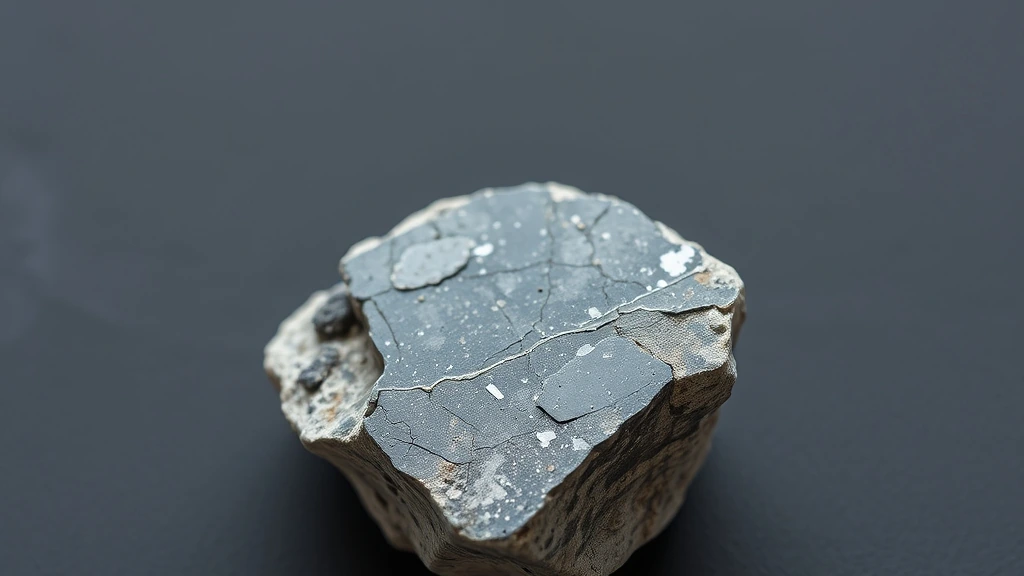
Phosgenite belongs to the broad category of natural minerals that crystallize as discrete crystals rather than as aggregates. Its primary classification is as a tetragonal mineral, a rarity among lead‑bearing carbonates. Discovered in lead‑rich hydrothermal veins, it forms as well‑shaped tabular or prismatic crystals that often exhibit a brilliant adamantine luster. Because of its high specific gravity (≈6.13 g/cm³) and delicate hardness, phosgenite is prized more by collectors than by jewelry designers.
What is Phosgenite Gemstone? Geological Overview & Definition
Phosgenite is a secondary mineral that precipitates from lead‑rich, chloride‑bearing solutions in oxidized zones of ore deposits. It commonly occurs alongside galena, cerussite, and anglesite, indicating a late‑stage supergene environment where carbon dioxide and chloride ions interact with lead.
The gemstone’s tetragonal crystal system gives it distinctive square‑based prisms and tabular habits, often displaying perfect cleavage on {001}. Its transparency and high refractive indices (nω = 2.118, nε = 2.145) produce a striking adamantine sparkle, though its softness limits practical wear.
Phosgenite Gemstone Chemical Composition & Crystallographic Properties
The formula (PbCl)₂CO₃ reveals a lead‑dominated lattice where lead cations are coordinated by both chloride anions and a central carbonate group. The structure consists of layers of PbCl octahedra alternating with CO₃ trigonal planes, stacked along the c‑axis of the tetragonal cell.
Because lead occupies the primary cation site, cation substitution is minimal; however, trace amounts of silver or bismuth can enter the lattice, subtly shifting color or density. The mineral is acid‑sensitive: exposure to dilute HCl dissolves the chloride layers, releasing CO₂ and lead ions, which is why collectors store it in neutral environments.
Color in phosgenite arises from chromophore centers linked to lead‑chloride charge‑transfer transitions, producing its characteristic pale yellow‑white hue. No transition‑metal impurities are required, making the coloration intrinsic to the crystal chemistry rather than external staining.
Thermally, phosgenite is stable up to about 300 °C; beyond this, the carbonate decomposes, releasing CO₂ and leaving a lead‑chloride residue. Rapid heating can cause cleavage propagation along the {001} plane, so thermal shock is avoided in both laboratory analysis and gemstone handling.
| Property | Specification |
|---|---|
| Mineral Group | Natural Mineral / Crystal |
| Chemical Formula | (PbCl)₂ CO₃ |
| Mohs Hardness | 2–3 |
| Crystal System | Tetragonal |
| Specific Gravity (Density) | 6.12 – 6.15 |
| Refractive Index | n ω = 2.118 n ε = 2.145 |
| Color & Optical Properties | Natural Phosgenite Gemstone color spectrum and optical dispersion |
| Primary Mining Localities | Global primary localities |
| Water & Chemical Resistance | High (Safe for gentle water washing) |
| Chakra Alignment (Traditional) | Root Chakra, Sacral Chakra |
| Zodiac Affinity (Traditional) | Taurus, Virgo, Capricorn |
| Symbolic Meaning (Traditional) | Grounding, stability, and protection against negative energies |
Phosgenite Gemstone Varieties & Color Spectrum
Phosgenite exhibits a distinct range of hues driven by trace impurities and oxidation states within its crystal lattice. The most common form is a deep, velvety black, often mistaken for jet or obsidian by casual observers. However, high-quality specimens display a subtle iridescent sheen that reveals its true mineralogical identity under direct light.
Jet-Black Phosgenite
This variety forms in the later stages of hydrothermal vein deposition where lead and chlorine concentrations peak. The intense darkness results from the high density of the lead-chloride carbonate structure, which absorbs most visible light. Specimens typically lack significant inclusions, offering a smooth, waxy luster that is highly prized for cabochon cutting.
Iridescent Phosgenite
Rare specimens exhibit a striking iridescence caused by internal stress fractures and thin-film interference effects. These optical anomalies create flashes of blue, green, or purple when the stone is tilted under light. This variety is exceptionally rare and commands a premium in the collector market due to its unique visual dynamism.
Greenish-Black Phosgenite
A slight greenish tint appears when trace amounts of copper or other transition metals substitute into the crystal structure. This morph is often found in proximity to copper-bearing ores, indicating a complex hydrothermal origin. The color variation is subtle but distinguishable under magnification, adding depth to the stone’s overall appearance.
Translucent Phosgenite
While most phosgenite is opaque, rare translucent specimens allow light to penetrate the crystal structure. This clarity is attributed to a lack of internal fractures and minimal inclusion density during formation. Such stones are extremely rare and are primarily sought after by mineralogists for optical study rather than jewelry use.
Where is Phosgenite Gemstone Found? Geological Mining & Extraction
Phosgenite primarily precipitates in the oxidized zones of lead-silver deposits, often associated with galena and cerussite in quartz veins. These formations typically occur in sedimentary basins where ancient seawater evaporation concentrated chlorine and lead ions. The mineral is frequently found in karstic limestone environments, where acidic conditions facilitate its crystallization.
Major historical sources include the mines of England, Spain, and the United States, particularly in the lead-rich districts of Missouri and Colorado. Modern extraction is limited due to the mineral’s low Mohs hardness and environmental regulations surrounding lead mining. Consequently, most available gem-quality material comes from older mine dumps or secondary markets rather than active primary extraction.
Historical Significance & Cultural Lore of Phosgenite Gemstone
Ancient civilizations often confused phosgenite with jet or black glass due to its deep color and waxy luster. Roman and Greek texts reference black stones used for protective amulets, though specific identification of phosgenite is rare in archaeological records. The mineral’s association with lead mining sites suggests it was likely encountered incidentally during the extraction of more valuable metals.
In modern esoteric practices, phosgenite is linked to grounding and stability, aligning with the Root and Sacral Chakras. Its heavy, dense nature is believed to anchor energy and provide protection against negative influences. This contemporary lore reflects a broader trend of assigning spiritual significance to rare and visually striking minerals.
Modern Uses & Jewelry Applications of Phosgenite Gemstone
Phosgenite’s high refractive index and luminous pearly‑white to pale yellow hue make it attractive for specialty lapidary work, despite its modest Mohs hardness of 2–3. Artisans typically cut it as a shallow cabochon to showcase its silky luster, while limited faceting is reserved for protective settings that reduce edge wear. The stone also finds a niche in ornamental carving, appearing in small figurines, inlay panels, and collector’s pieces where its density (≈6.13 g/cm³) adds a satisfying heft.
- Cabochon pendants and earrings with low‑profile settings
- Faceted beads set in bezel mounts for protective jewelry
- Decorative inlays in watch cases, pens, and ceremonial objects
- Carved miniatures and ornamental plaques for display
Metaphysical Properties & Traditional Meaning of Phosgenite Gemstone
According to historical traditions and metaphysical lore, Phosgenite is regarded as a grounding stone that anchors the wearer’s energy to the physical world. It is said to promote stability, encouraging perseverance in practical matters while shielding against intrusive negative vibrations. Emotionally, the gem is believed to soothe anxiety, fostering a calm confidence that supports decisive action in daily life.
Which Chakra and Zodiac Signs Align with Phosgenite Gemstone?
Phosgenite resonates most strongly with the Root Chakra, the energy center governing survival, security, and physical vitality. By stimulating this chakra, the stone is thought to reinforce a sense of belonging and material stability, essential for those who feel scattered or insecure.
In astrology, Phosgenite is aligned with the earth signs Taurus, Virgo, and Capricorn, each embodying practicality, diligence, and a methodical approach to life. The gem’s grounding influence is said to complement these signs’ innate desire for structure, helping them maintain focus and resist external chaos.
How to Identify Real vs. Fake Phosgenite Gemstone
Artificial imitations of Phosgenite often include leaded glass, polymer resins, or dyed quartz that mimic its high density and bright luster. Synthetic glass may be engineered to replicate the stone’s refractive index, while some replicas are simply dyed to achieve the characteristic pale yellow hue. Because these substitutes lack the genuine mineral’s specific gravity and crystal habit, careful testing is required to avoid misidentification.
Practical At-Home Authenticity Tests
- Temperature Test (Thermal Feel): Genuine Phosgenite feels cool to the touch and retains that coolness longer than glass or plastic, which quickly warm to skin temperature.
- Specific Gravity & Weight Test: Using a simple balance, compare the stone’s weight to a known reference; real Phosgenite’s density (~6.13 g/cm³) makes it noticeably heavier than most glass imitations.
- Scratch & Hardness Test (Mohs Comparison): Gently attempt to scratch the surface with a copper coin (hardness ~3). Phosgenite will be scratched easily, whereas many synthetic glasses resist scratching.
- Microscopic & Loupe Inspection (Internal Inclusions): Under 10× magnification, authentic Phosgenite often shows fine, parallel growth striations and occasional tiny voids, while glass replicas appear uniformly clear with no natural inclusions.
Phosgenite Gemstone Valuation Factors, Grading & Pricing
Market value hinges primarily on Color Saturation and consistent tone uniformity across the specimen. High-quality phosgenite displays a deep, vivid green hue without brownish or yellowish tints. Optical clarity and strong vitreous luster further enhance its visual appeal for collectors.
Carat Weight significantly influences pricing, as larger specimens are increasingly rare in the global market. Facet symmetry plays a crucial role in maximizing light return and overall aesthetic presentation. The presence of matrix or internal inclusions can either detract from value or add unique geological character.
Geographical Provenance Premium often elevates prices for stones from renowned localities like Cornwall or Germany. Wholesale values remain modest, but retail prices surge for certified, high-grade specimens. Current trends show steady demand among niche collectors seeking distinct lead-based minerals.
How to Clean and Care for Phosgenite Gemstone
Due to its low Mohs Hardness of 2–3, phosgenite requires gentle handling to prevent surface scratches. Always use warm soapy water and a soft cloth for routine cleaning to maintain its luster. Avoid ultrasonic cleaners entirely, as vibrations can cause structural fractures in this delicate mineral.
Never submerge the stone in harsh chemicals or abrasive solutions that compromise its integrity. Store phosgenite separately from harder gems to avoid accidental damage during storage. Regular inspection ensures early detection of any potential structural weaknesses or surface degradation.
Cleansing and Recharging Phosgenite Gemstone (Energetic Care)
For energetic maintenance, utilize dry methods that respect the mineral’s physical fragility and solubility concerns. Smoke smudging with sage or palo santo effectively clears negative energies without moisture contact. This approach preserves the stone’s structural integrity while fulfilling esoteric cleansing traditions.
Moonlight exposure serves as a gentle, non-invasive method for recharging the gemstone’s vibrational frequency. Placing the phosgenite on a selenite plate enhances its energy absorption and purification capabilities. These dry techniques ensure the stone remains physically safe while undergoing energetic renewal.
Frequently Asked Questions About Phosgenite Gemstone
Is phosgenite safe to wear in the shower?
Yes, it is safe for gentle water washing. While phosgenite has a high water resistance rating, prolonged exposure to hot water or harsh chemicals should be avoided. Keep the stone dry after brief contact to maintain its luster and structural integrity.
Can I clean phosgenite in an ultrasonic cleaner?
No, you must avoid ultrasonic cleaners. The low Mohs hardness of 2–3 makes the stone susceptible to structural fractures from high-frequency vibrations. Instead, use warm soapy water and a soft cloth for safe, effective cleaning.
What is the chemical formula of phosgenite?
The formula is (PbCl)₂CO₃. This composition identifies it as a lead chloride carbonate mineral. Understanding this chemical structure helps explain its high density and specific optical properties observed in gemological analysis.
Which zodiac signs align with phosgenite?
Taurus, Virgo, and Capricorn are the aligned signs. These earth signs resonate with the stone’s grounding energy. Wearing phosgenite can support stability and practical focus for individuals born under these zodiacal constellations.
Which chakras does phosgenite activate?
It activates the Root and Sacral Chakras. These energy centers govern security and creative flow. The stone’s heavy, stable nature supports chakra alignment by anchoring energy to the lower body.
How hard is phosgenite on the Mohs scale?
It ranges from 2 to 3. This low Mohs hardness means the stone scratches easily against harder minerals. Handle phosgenite with care to prevent surface abrasions and maintain its polished appearance.
What is the crystal system of phosgenite?
It crystallizes in the Tetragonal system. This structure often forms prismatic crystals with square cross-sections. Recognizing the tetragonal habit aids in identifying genuine specimens during mineralogical examination and collection.
What is the specific gravity of phosgenite?
The density is 6.12 – 6.15. This high specific gravity makes the stone feel significantly heavier than its size suggests. This weight is a key diagnostic feature distinguishing it from lighter lead-free minerals.