
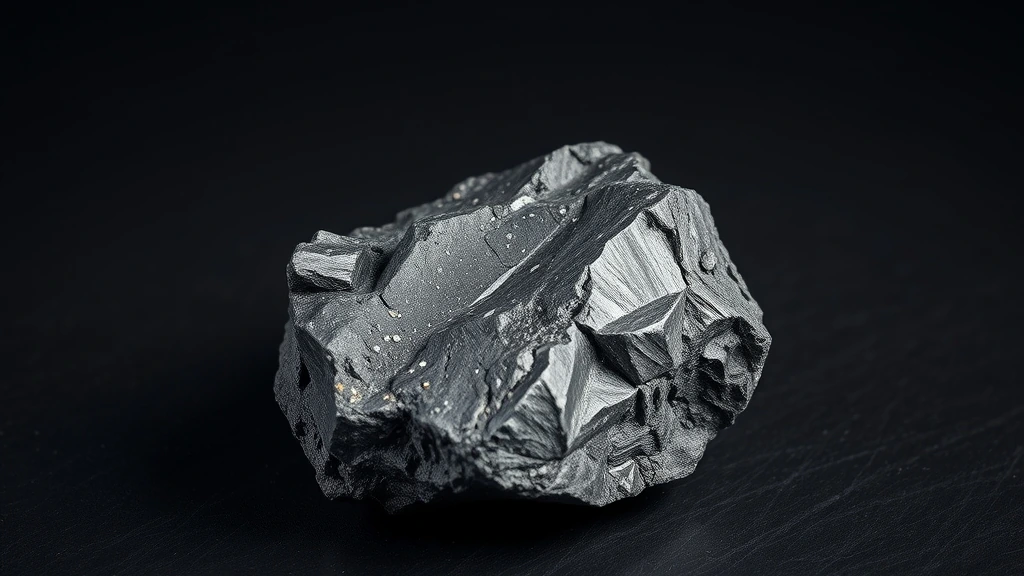
Tektite belongs to the Natural Mineral / Crystal group, though it lacks a crystalline lattice. It is classified as an impact melt glass, distinct from volcanic obsidian due to its unique extraterrestrial origin. This geological formation process results in a material that is technically a mineraloid rather than a true mineral, yet it is widely collected and studied within gemological contexts for its distinctive physical properties and historical significance.
What is Tektite? Geological Overview & Definition
Tektites are impact melt glasses created when meteorites strike the Earth, vaporizing and ejecting target material. This high-velocity process cools rapidly in the atmosphere, solidifying into glassy fragments without time for crystal growth. They are found in specific tektite strewn fields, such as the Moldavite field in Europe and the Australasian field in Southeast Asia.
The term derives from the Greek *tekte*, meaning “molten,” reflecting their fiery origin. Unlike volcanic glass, tektites contain shocked quartz and other high-pressure minerals, confirming their extraterrestrial impact source. Their distribution helps geologists map ancient impact events, providing crucial data on the frequency and scale of cosmic collisions throughout Earth’s history. In comparative mineralogical collections, practitioners and geologists frequently study Impactite alongside this crystal to appreciate their subtle energetic and structural differences.
Tektite Chemical Composition & Crystallographic Properties
Tektite possesses an amorphous crystal system, meaning it lacks a long-range ordered atomic lattice. Its structure is a disordered network of silicon-oxygen tetrahedra, similar to natural obsidian but with distinct trace element signatures. This non-crystalline nature results in a conchoidal fracture pattern, allowing the glass to break into smooth, curved surfaces rather than flat crystal faces.
The primary chemical composition is silica (SiO₂), ranging from 60% to 80%, with significant amounts of iron, aluminum, and magnesium oxides. Cation substitution occurs where smaller ions replace silicon in the glass network, influencing the material’s density and refractive index. These substitutions create a complex matrix that varies slightly between different tektite fields, aiding in their geographic identification.
Color variations arise from chromophore color centers, primarily caused by iron in different oxidation states. Ferrous iron (Fe²⁺) typically produces green or brown hues, while ferric iron (Fe³⁺) contributes to darker, olive, or black tones. The absence of other transition metals keeps the color palette relatively muted compared to many crystalline gemstones, relying heavily on iron concentration for visual appeal.
Thermal behavior reveals a glass transition temperature around 500°C, where the material begins to soften without melting. Tektites are generally resistant to mild acids but can be etched by strong hydrofluoric acid, which attacks the silicate network. This chemical sensitivity requires careful handling during cleaning and polishing to preserve the integrity of the glass surface and prevent pitting or dulling.
| Property | Specification |
|---|---|
| Mineral Group | Natural Mineral / Crystal |
| Chemical Formula | Amorphous silicate glass (primarily SiO₂ with Fe, Al, Mg, Ca oxides) |
| Mohs Hardness | 5.5 – 7.0 |
| Crystal System | Amorphous |
| Specific Gravity (Density) | 2.35 – 2.65 |
| Refractive Index | 1.48 – 1.52 |
| Color & Optical Properties | Natural Tektite color spectrum and optical dispersion |
| Primary Mining Localities | Global primary localities |
| Water & Chemical Resistance | Sensitive (Avoid prolonged water soaking) |
| Chakra Alignment (Traditional) | Root Chakra, Third Eye Chakra |
| Zodiac Affinity (Traditional) | Capricorn, Scorpio |
| Symbolic Meaning (Traditional) | Grounding, protection from negative energy, and connection to earth’s primal wisdom |
Tektite Varieties & Color Spectrum
Moldavite
Originating from the Ries crater in the Czech Republic, Moldavite is the most geologically significant and commercially sought-after tektite variety. Its distinctive olive-green hue and complex, rippled surface texture result from rapid atmospheric cooling during ejection. This amorphous silicate glass contains high concentrations of iron and magnesium oxides, which define its unique optical properties. Due to its limited geographic origin and intense collector demand, high-quality specimens are exceptionally rare.
Libyachite
Found exclusively in the Sahara Desert, Libyachite presents a striking contrast with its deep brown to black coloration and smooth, polished surfaces. These stones often exhibit a glassy luster and lack the complex internal structures seen in other tektite types. The refractive index of Libyachite typically ranges between 1.48 and 1.52, contributing to its subtle internal fire. Its formation is linked to the Nakhla meteorite impact, making it a key specimen in impact geology studies.
Australite
Australite is the largest tektite deposit in the world, discovered in Western Australia and characterized by its dark brown to black appearance. These specimens frequently feature distinctive “sculpted” surfaces with deep pits and ridges formed by atmospheric ablation. The density of Australite generally falls between 2.35 and 2.65 g/cm³, reflecting its dense silicate composition. While large pieces are common, pristine, unfractured specimens of gem quality remain highly valued by collectors.
Indochinite
Indochinite occurs in Thailand, Cambodia, and Vietnam, displaying a range of green, brown, and black shades with a smooth, often translucent finish. This variety is known for its relatively high Mohs hardness, typically ranging from 5.5 to 7.0, which makes it suitable for cutting and polishing. The glassy texture often reveals tiny gas bubbles and flow lines that serve as natural identifiers. Its widespread distribution in Southeast Asia has made it a popular choice for jewelry and metaphysical practices.
Czechoslovakite
Historically grouped with Moldavite, Czechoslovakite refers to tektites found in the broader region of the former Czechoslovakia, including Slovakia. These stones share the same amorphous crystal system and chemical composition as Moldavite but may vary slightly in surface texture. The geological formation process involves the same high-temperature impact event, resulting in similar silicate glass structures. While less distinct in trade, these specimens are scientifically valuable for understanding the extent of the impact zone.
Indonesian Tektite
Indonesian Tektite is a lesser-known variety found in parts of Indonesia, often exhibiting dark brown to black colors with a smooth, glassy surface. These specimens are less commercially prominent but contribute to the global understanding of tektite distribution patterns. The chemical formula remains consistent with other tektites, dominated by SiO₂ with trace metal oxides. Their rarity in the market makes them a niche interest for specialized mineral collectors and researchers.
Where is Tektite Found? Geological Mining & Extraction
Tektites are not mined from traditional ore veins but are recovered from surface deposits where they have been exposed by erosion. These amorphous silicate glasses are typically found in alluvial plains, riverbeds, and desert landscapes where the host soil has been stripped away. The extraction process involves careful hand-picking to avoid damaging the delicate surface textures and inclusions. This method ensures that the geological integrity of the specimens is preserved for both scientific study and commercial trade.
The primary extraction regions include the Czech Republic, the Sahara Desert in Libya, Western Australia, and Southeast Asia. Each location corresponds to a specific impact event, with the Ries crater in Germany being the source of Moldavite. In Australia, Australite is collected from vast areas of the Nullarbor Plain and surrounding regions. The geographic distribution of these deposits provides critical evidence for the global reach of ancient meteorite impacts and the subsequent dispersal of melted crustal material.
Historical Significance & Cultural Lore of Tektite
Ancient civilizations have long recognized tektites as objects of mystery and spiritual power, often incorporating them into ritualistic and protective artifacts. Archaeological findings in the Czech Republic reveal that Moldavite was used in jewelry and ceremonial objects as early as the Neolithic period. These stones were likely valued for their unique appearance and perceived connection to celestial events. The cultural significance of tektites highlights their role in early human attempts to interpret and integrate extraterrestrial phenomena into daily life.
In modern metaphysical traditions, tektites are associated with grounding and protection from negative energy, particularly linked to the Root and Third Eye chakras. This belief system emphasizes the stone’s connection to the earth’s primal wisdom and its ability to enhance spiritual awareness. The esoteric keywords of protection and grounding reflect a deep-seated human desire for stability and connection to the natural world. Tektites continue to be revered in contemporary spiritual practices for their perceived ability to anchor the mind and spirit.
Modern Uses & Jewelry Applications of Tektite
Tektite’s glassy luster and natural translucency make it a favored material for lapidary cutting, where artisans shape it into smooth cabochons or, less commonly, faceted gems. Its modest hardness (5.5‑7.0) allows precise polishing without excessive wear, yielding striking pendants, rings, and earrings. Ornamental carving also thrives, producing beads, figurines, and decorative inlays that showcase its unique surface texture.
- Cabochon pendants with polished domes for maximum light play
- Faceted earrings that highlight subtle internal striations
- Carved beads and amulets used in tribal and contemporary designs
- Inlay work in high‑end watch faces and luxury accessories
Metaphysical Uses & Origins of Tektite
In meditation circles, tektite is prized for its grounding energy, believed to anchor the practitioner to the Earth’s primal wisdom while stimulating the Third Eye for deeper insight. Practitioners often place a polished tektite on the altar or hold it during breathwork, claiming it absorbs negative vibrations and enhances intuitive clarity. Historically, indigenous cultures incorporated tektite into ceremonial masks and ritual objects, recognizing its celestial origin as a bridge between sky and soil.
Which Chakra and Zodiac Signs Align with Tektite?
Tektite resonates most strongly with the Root Chakra, supporting stability, security, and a sense of belonging. When positioned at the base of the spine, it is said to reinforce physical vitality and promote a grounded mindset, especially during stressful periods.
Astrologically, the stone aligns with Capricorn and Scorpio, signifying ambition, transformation, and deep emotional insight. Wearers born under these signs often use tektite to amplify determination and to navigate intense inner change, reflecting the stone’s meteoritic heritage.
How to Identify Real vs. Fake Tektite
Artificial imitations of tektite include laboratory‑grown glass, resin composites, and dyed natural stones that mimic its characteristic brown‑black hue. These substitutes lack the subtle internal bubbles and the specific density range of genuine tektite, making careful testing essential for collectors and jewelers alike.
Practical At-Home Authenticity Tests
- Temperature Test (Thermal Feel): Real tektite feels cool to the touch and retains its temperature longer than most synthetic glasses, which warm quickly in the hand.
- Specific Gravity & Weight Test: Genuine tektite weighs 2.35‑2.65 g/cm³; a simple water displacement test can reveal a lower or higher specific gravity indicative of fakes.
- Scratch & Hardness Test (Mohs Comparison): Using a steel file (hardness ~6.5), a real tektite will resist scratching, whereas many glass imitations will show surface marks.
- Microscopic & Loupe Inspection (Internal Inclusions): Under 10× magnification, authentic tektite displays microscopic bubbles or flow lines, while synthetic glass appears uniformly clear and free of such features.
Tektite Valuation Factors, Grading & Pricing
Color variations dominate market appeal, with deep amber, chocolate brown, and rare greenish hues fetching premium prices. Natural texture, including glassy smoothness and occasional pitted surfaces, adds character, while striking banding or veining patterns enhance visual intrigue. Collectors prize specimens that display vivid, unaltered coloration without artificial enhancement.
Specimen mass and size are pivotal, as larger tektites weigh between 2 g and several kilograms and command higher values. Craftsmanship in carving—whether into cabochons, beads, or ornamental blocks—affects price, with seamless surfaces and balanced light diffusion prized. Integrity of the original block, free from fractures, further elevates market worth.
Geographical origin and authenticity underpin pricing, especially for classic strewn fields such as the Australasian, African, and Central American regions. Proven provenance, documented through scientific analysis or reputable dealers, assures buyers of genuine meteoritic glass. Current wholesale trends show rising demand in ornamental and wellness markets, where authentic tektites are marketed for both aesthetic and esoteric uses.
How to Clean and Care for Tektite
Gently wipe the surface with a lightly dampened cloth, then immediately dry with a soft microfiber towel to prevent moisture retention. Avoid prolonged soaking, as tektites are sensitive to water and may develop micro‑fractures. Do not employ ultrasonic cleaners; the vibration can cause structural damage to the amorphous glass. Store the specimen in a low‑humidity environment, away from direct heat sources, to maintain its natural luster.
Cleansing and Recharging Tektite (Energetic Care)
For energetic renewal, place the tektite in a clean area where gentle herbal smudging can pass over it, allowing the smoke to drift without saturating the stone. Follow with a brief exposure to moonlight, ideally during a waxing or full moon, to absorb subtle lunar energy without risking thermal stress.
Alternatively, rest the tektite on a selenite charging slab for several hours, permitting the pure white crystal to transmit a calming vibrational field. Ensure the slab is dry and free of oils, and avoid direct sunlight or artificial heat, which could compromise the tektite’s glassy matrix.
Frequently Asked Questions About Tektite
What is a tektite and how does it form?
Tektites are natural glassy beads created by meteorite impacts. The extreme heat and pressure melt surface silica, ejecting molten material that cools while airborne, producing an amorphous silicate glass composed mainly of SiO₂ with trace Fe, Al, Mg, and Ca oxides.
How hard are tektites compared to other gemstones?
Their Mohs hardness ranges from 5.5 to 7.0. This places tektites between opal and quartz, making them relatively durable for jewelry but still susceptible to scratches from harder stones like sapphire or diamond.
Are tektites safe to wear in water or the shower?
No, tektites are water‑sensitive and should avoid prolonged soaking. Extended exposure can cause surface clouding or micro‑fractures; brief contact is permissible if the piece is promptly dried with a soft cloth.
What is the best way to clean a tektite?
Wipe briefly with a damp cloth and dry immediately; avoid ultrasonic cleaners. The glassy matrix is prone to structural fractures under vibration, so a gentle microfiber wipe removes dust without compromising integrity.
Which zodiac signs are traditionally associated with tektite?
Capricorn and Scorpio are the aligned zodiac signs. In astrological lore, tektite’s grounding energy is said to resonate with the pragmatic nature of Capricorn and the transformative intensity of Scorpio.
Which chakras does tektite influence in crystal healing?
Root Chakra and Third Eye Chakra are the primary correspondences. Practitioners claim the stone offers grounding while also enhancing intuition, linking earthly stability to higher‑mind perception.
Can tektite be set in everyday jewelry without risk of damage?
Yes, when set properly it is suitable for daily wear. Ensure the setting protects the stone from hard impacts and avoid activities that expose it to harsh chemicals or prolonged moisture, which could weaken the glass.
How can I tell if a tektite is genuine or synthetic?
Authentic tektites display a natural, uneven surface texture and a specific refractive index of 1.48‑1.52. Synthetic glass often has uniform clarity and a slightly different index; microscopic examination can reveal the characteristic amorphous structure of true tektites.