
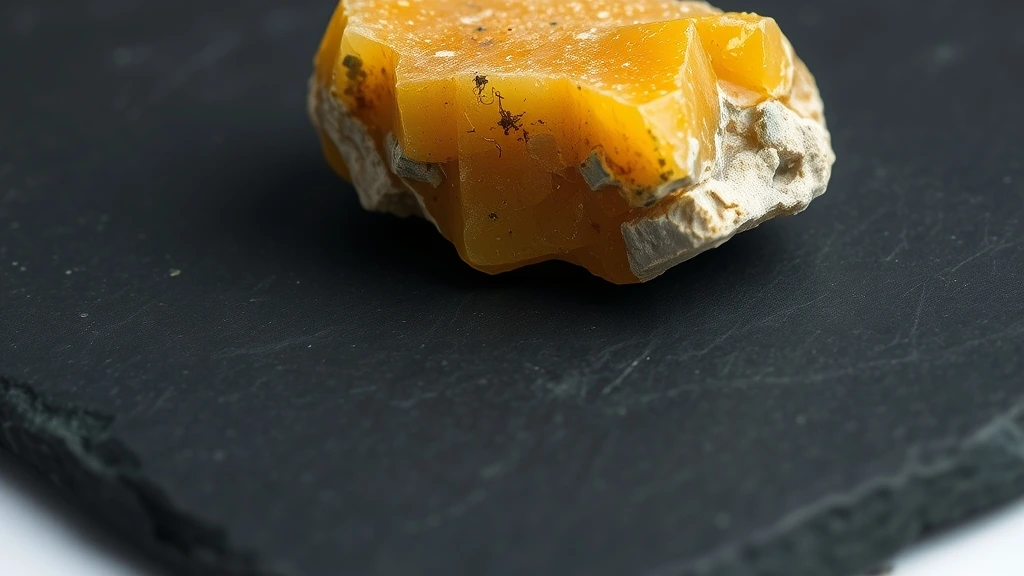
Aventurine belongs to the natural mineral / crystal group and is classified as a silicate of the quartz family. Its formation occurs in hydrothermal veins and pegmatitic bodies where fine particles of hematite, goethite, or mica become trapped during crystal growth. These microscopic inclusions scatter light, producing the characteristic shimmering effect known as aventurescence. The stone’s overall structure is trigonal, aligning with the broader quartz crystallography that defines its habit and symmetry.
What is Yellow Aventurine? Geological Overview & Definition
Yellow aventurine is a cryptocrystalline quartz whose golden coloration arises from minute ferric oxide or mica platelets intergrown within the silica matrix. The inclusions are typically less than 0.1 mm, creating a subtle sparkle that distinguishes it from plain clear quartz. While the golden hue of yellow aventurine stems from ferric oxide or mica, collectors often compare its luster to the distinct green shimmer found in Zimbabwe Aventurine, which utilizes similar microscopic inclusions to produce its characteristic sparkle.
In geological terms, the material is an aggregate of quartz grains cemented by silica, rather than a single homogeneous crystal. This texture develops in low‑temperature hydrothermal environments where silica‑rich fluids precipitate rapidly, trapping the chromophoric particles that later define the stone’s visual signature. While the yellow variety owes its hue to iron oxide inclusions, the closely related White Aventurine shares this same hydrothermal quartz matrix but lacks the chromophoric particles, resulting in a clear, shimmering appearance.
Yellow Aventurine Chemical Composition & Crystallographic Properties
The primary chemical constituent of yellow aventurine is SiO₂, the same formula that defines all quartz varieties. Because the stone is an aggregate, its bulk composition reflects a silica framework interspersed with trace amounts of iron‑bearing inclusions that act as chromophores.
Crystallographically, yellow aventurine conforms to the trigonal crystal system, sharing the same space group (P3₁21 or P3₂21) as standard quartz. Its lattice consists of a continuous network of SiO₄ tetrahedra arranged in a helical pattern along the c‑axis, giving rise to the characteristic six‑fold symmetry observed in well‑formed crystals.
Acid sensitivity follows that of pure quartz: dilute hydrochloric acid will not dissolve the silica matrix, but prolonged exposure can etch surface inclusions, subtly altering the stone’s aventurescent sheen. Thermal treatment above 500 °C can cause the ferric inclusions to oxidize, sometimes intensifying the golden tone while preserving the underlying quartz structure.
The chromophore color centers responsible for the yellow hue are primarily fine particles of hematite (Fe₂O₃) or goethite (FeO·OH). These inclusions absorb specific wavelengths of visible light, reflecting a warm, amber glow that is enhanced when the stone is cut with a cabochon or polished dome to maximize light‑scattering surfaces.
| Property | Specification |
|---|---|
| Mineral Group | Natural Mineral / Crystal |
| Chemical Formula | SiO₂ |
| Mohs Hardness | 6.5 – 7.0 |
| Crystal System | Trigonal |
| Color & Optical Properties | Natural Yellow Aventurine color spectrum and optical dispersion |
| Primary Mining Localities | Global primary localities |
| Water & Chemical Resistance | High (Safe for gentle water washing) |
| Chakra Alignment (Traditional) | Root Chakra (Muladhara) |
| Zodiac Affinity (Traditional) | Aries, Scorpio |
| Symbolic Meaning (Traditional) | Grounding, vitality and protection |
Yellow Aventurine Varieties & Color Spectrum
Yellow Aventurine displays distinct mineralogical characteristics across its geological varieties and structural habits. Gemologists evaluate these natural varieties based on crystal habit, trace chromophore concentrations, and visual luster.
Primary Natural Yellow Aventurine
The benchmark natural variety exhibiting diagnostic color saturation and classic crystallographic symmetry.
Distinct Geological Morphs of Yellow Aventurine
Secondary regional and structural varieties formed under localized geological temperature and pressure conditions.
Classic Yellow Aventurine
This common variety derives from silica-rich pegmatites where iron‑oxide inclusions scatter light, producing a warm, buttery hue. The inclusions are typically needle‑like mica flakes that create a subtle glitter. It is abundant in the United States, Brazil, and the Czech Republic, making it a staple in jewelry and decorative objects.
Honey‑Colored Aventurine
Honey‑aventurine displays a deeper, amber‑tinted tone due to higher concentrations of magnetite and hematite. The inclusions are often tiny iron oxide needles that give the stone a pronounced sparkle. This variety is rarer, prized in high‑end markets, and sourced mainly from Brazil’s Minas Gerais region.
Golden‑Yellow Aventurine (Aventurine Gold)
Aventurine Gold features a rich, golden glow from titanium‑oxide inclusions. The crystal structure remains trigonal quartz, but the metallic inclusions give it a luminous sheen. It is predominantly found in the Sierra Madre Oriental of Mexico, where volcanic activity introduced titanium into the quartz matrix.
Sunburst Aventurine
Sunburst aventurine showcases a radial pattern of bright yellow flecks radiating from a darker core. The pattern results from fracture‑filled silica veins that carry iron‑oxide particles. This striking visual signature is rare, with notable specimens from the Bavarian region of Germany and the Siberian deposits of Russia.
Lemon‑Yellow Aventurine
Lemon‑yellow aventurine is a lighter, almost translucent variety with subtle mica inclusions that create a gentle sheen. Its hue is produced by a lower iron content, allowing the quartz to reflect more light. This variety is commonly mined in India’s Kolar district and is favored for its delicate appearance.
Golden‑Amber Aventurine
Golden‑amber aventurine presents a deep amber tone, often with tiny iron‑oxide needles that give a soft sparkle. The inclusions are typically magnetite and hematite aligned along crystal planes. It is a prized variety in the Czech Republic and Brazil, valued for its rich color and relative scarcity.
Where is Yellow Aventurine Found? Geological Mining & Extraction
Yellow aventurine is typically hosted in silica‑rich pegmatite veins that form during the late stages of granite crystallization. These pegmatites are often associated with magmatic intrusions and contain abundant iron‑oxide and mica inclusions that give the stone its characteristic color. Major mining districts include the Brazilian Minas Gerais, the Czech Republic’s Bohemian region, and the United States’ Colorado and Nevada states. Extraction involves open‑pit or underground quarrying, followed by hand‑sorting and polishing to preserve the delicate inclusions.
Historical Significance & Cultural Lore of Yellow Aventurine
Across ancient Greco‑Roman lapidary traditions, yellow aventurine was prized for its grounding qualities, believed to stabilize the wearer’s root chakra and enhance vitality. In Egyptian tombs, fragments of yellow quartz were incorporated into amulets, symbolizing the sun’s life‑giving energy. Chinese artisans of the Han dynasty used the stone in ceremonial jade‑like objects, attributing protective powers against misfortune. Vedic texts reference a “golden crystal” that fortifies the body’s Muladhara energy, underscoring its universal appeal as a stone of protection and vigor.
Modern Uses & Jewelry Applications of Yellow Aventurine
Lapidaries primarily cut yellow aventurine into smooth cabochons to showcase its characteristic glittering surface, known as aventurescence. This optical effect arises from microscopic inclusions of mica or chlorite suspended within the quartz matrix. While faceting is rare due to the stone’s opacity and internal structure, polished beads and carvings remain popular in artisanal jewelry.
- Cabochon Cutting: The dominant technique, preserving the stone’s natural luster and reflective inclusions.
- Beadwork: Used extensively in bracelets and necklaces for its durable, rounded form.
- Ornamental Carving: Shaped into pendants, rings, and decorative objects that highlight the golden sparkle.
- Inlay Work: Occasionally set into wooden or metal bases for decorative accents.
Metaphysical Properties & Traditional Meaning of Yellow Aventurine
According to historical traditions and metaphysical lore, yellow aventurine is revered as a stone of vitality and energetic protection. Ancient Mediterranean and Vedic lapidary practices often associated golden-hued quartz varieties with solar energy and physical resilience. Practitioners believe the stone helps transmute negative energy into positive, empowering force.
The stone’s warm hue is traditionally linked to grounding properties, fostering a sense of stability and confidence. In esoteric circles, it is considered a talisman for courage, aiding individuals in navigating life’s challenges with clarity. This energetic alignment supports physical endurance and mental fortitude during periods of stress.
Which Chakra and Zodiac Signs Align with Yellow Aventurine?
In metaphysical frameworks, yellow aventurine is primarily aligned with the Root Chakra (Muladhara). This energy center, located at the base of the spine, governs feelings of safety, security, and physical survival. The stone’s grounding nature is believed to stabilize this chakra, promoting a strong connection to the earth.
Astrologically, the stone resonates most strongly with the signs of Aries and Scorpio. Aries, a fire sign, may use the stone to channel its dynamic energy constructively, while Scorpio, a water sign, might find support in its protective qualities. These alignments emphasize the stone’s role in enhancing personal power and resilience.
How to Identify Real vs. Fake Yellow Aventurine
Artificial imitations of yellow aventurine often consist of synthetic glass or dyed quartz, designed to mimic the natural stone’s sparkle and color. These replicas may lack the subtle variations in hue and inclusion patterns found in genuine specimens. Understanding the differences in physical properties is essential for accurate identification.
Practical At-Home Authenticity Tests
- Temperature Test (Thermal Feel): Genuine quartz feels cool to the touch initially and warms slowly, whereas glass imitations may feel warmer or change temperature more rapidly due to lower thermal conductivity.
- Specific Gravity & Weight Test: Real aventurine has a density of approximately 2.65 g/cm³; it should feel slightly heavier than similarly sized glass beads, which typically have a lower specific gravity.
- Scratch & Hardness Test (Mohs Comparison): With a Mohs hardness of 6.5–7.0, genuine aventurine can scratch glass (hardness 5.5) but will not be scratched by a steel knife (hardness 5.5).
- Microscopic & Loupe Inspection (Internal Inclusions): Use a 10x loupe to observe the inclusions; natural stones display irregular, varied mica flakes, while glass imitations often show uniform bubbles or perfectly spherical inclusions.
Yellow Aventurine Valuation Factors, Grading & Pricing
The market value of yellow aventurine is largely driven by color saturation. Stones with a deep, evenly distributed amber hue command higher prices, as the vibrant luster reflects the mineral’s natural energetic qualities. Light, washed‑out specimens are less sought after by collectors and professional gemologists alike.
Crystal size and weight (grams) play a decisive role in pricing. Larger, well‑formed crystals that retain their natural matrix inclusions are prized for their visual impact and perceived rarity. A tumbled polish can enhance appeal, but raw specimens that preserve the original texture often fetch premium prices in the secondary market.
Ethical sourcing and locality premium significantly influence the final cost. Yellow aventurine mined from responsibly managed deposits—particularly those with documented traceability—attracts a higher price in holistic and collector circles. Provenance from renowned localities such as the United States, Brazil, or the Philippines can add a premium, reflecting both historical significance and market demand.
How to Clean and Care for Yellow Aventurine
To maintain the integrity of yellow aventurine, gently wash the stone in warm soapy water using a soft cloth. Avoid ultrasonic cleaners, as the vibration can cause microfractures in the quartz lattice. After rinsing, pat the stone dry with a clean, lint‑free towel and store it in a dry, low‑humidity environment to preserve its natural sheen.
Cleansing and Recharging Yellow Aventurine (Energetic Care)
For energetic renewal, place the stone under gentle moonlight for several hours, allowing the soft lunar energy to cleanse its vibrational field. Alternatively, rest the aventurine on a selenite charging slab during the night; the selenite’s conductive properties help dissipate any residual negative energy. Herbal smudging with sage or palo santo can also be employed, ensuring the flame does not touch the stone directly. These dry, low‑heat methods preserve the crystal’s structural integrity while supporting its metaphysical attributes.
Frequently Asked Questions About Yellow Aventurine
Yellow Aventurine displays distinct mineralogical characteristics across its geological varieties and structural habits. Gemologists evaluate these natural varieties based on crystal habit, trace chromophore concentrations, and visual luster.
Primary Natural Yellow Aventurine
The benchmark natural variety exhibiting diagnostic color saturation and classic crystallographic symmetry.
Distinct Geological Morphs of Yellow Aventurine
Secondary regional and structural varieties formed under localized geological temperature and pressure conditions.
Is yellow aventurine safe to wear in the shower?
Yes, it is safe for gentle water washing. The stone’s quartz-based structure provides excellent resistance to moisture. Brief exposure to shower water will not damage the surface or alter its color. However, prolonged soaking should be avoided to maintain the integrity of any metal settings or adhesives used in jewelry.
Can I clean yellow aventurine with an ultrasonic cleaner?
No, you must avoid ultrasonic cleaners. The high-frequency vibrations can cause structural fractures within the inclusions. Instead, use warm soapy water and a soft cloth for safe maintenance. This gentle method preserves the stone’s luster without risking internal damage or clouding the natural mineral matrix.
What zodiac signs are compatible with yellow aventurine?
Aries and Scorpio are the primary aligned signs. These fire and water signs resonate with the stone’s energetic properties. Wearing this gemstone is believed to enhance vitality and protection for these individuals. It supports their natural intensity while grounding their emotional fluctuations effectively.
Which chakra does yellow aventurine activate?
It primarily activates the Root Chakra (Muladhara). This connection supports feelings of stability and physical security. The stone’s earthy tones help anchor energy to the grounding center. Practitioners use it to foster a sense of safety and connection to the physical world.
What is the Mohs hardness of yellow aventurine?
It ranges from 6.5 to 7.0 on the scale. This places it in the quartz family, making it durable for daily wear. It resists scratches from most common materials like steel or glass. However, it can still be scratched by diamonds or corundum, so proper storage is recommended.
What is the chemical composition of yellow aventurine?
The primary formula is SiO₂, or silicon dioxide. This identifies it as a variety of chalcedony or quartz. The yellow hue typically arises from inclusions of mica or iron oxides. These microscopic particles create the characteristic aventurescent shimmer seen in the stone.
How should I store yellow aventurine jewelry?
Store it in a soft pouch or separate compartment. This prevents contact with harder gems that could cause surface abrasions. Keep it away from direct sunlight to prevent potential fading of the yellow inclusions. A cool, dry environment preserves the stone’s natural luster and structural integrity over time.
Does yellow aventurine have historical cultural significance?
Yes, it holds value in ancient lapidary traditions. Across historical records, quartz varieties were prized for protection and vitality. Ancient civilizations often used these stones in amulets for spiritual defense. Its enduring popularity stems from these deep-rooted metaphysical associations and aesthetic appeal.