
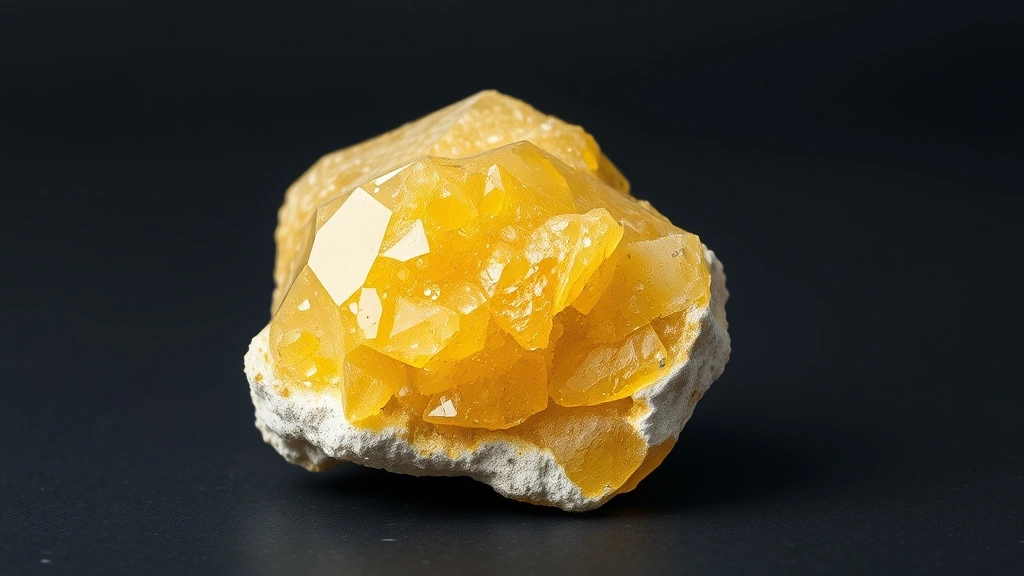
Diamond belongs to the natural mineral group, specifically classified as a native element. It forms exclusively under extreme pressure and temperature conditions within the Earth’s mantle. This geological origin ensures its status as a primary crystalline substance. Consequently, it serves as the definitive reference point for hardness and optical clarity in gemology.
What is Yellow Diamond (canary Diamond)? Geological Overview & Definition
Yellow diamonds, often termed canary diamonds, are Type Ib stones defined by significant nitrogen impurities. These impurities create distinct color centers within the crystal lattice, producing shades ranging from pale lemon to intense orange. Unlike Type IIa stones, which are nitrogen-free, Type Ib diamonds exhibit strong fluorescence under ultraviolet light. In comparative mineralogical collections, practitioners and geologists frequently study Painite alongside this crystal to appreciate their subtle energetic and structural differences.
The term “canary” specifically denotes stones with a vivid, saturated yellow coloration. This distinction is critical for valuation, as deeper hues command premium market prices. Geologically, these stones originate from kimberlite pipes, where high-pressure environments facilitate carbon crystallization. Their rarity stems from the specific chemical conditions required to trap nitrogen atoms effectively. In comparative mineralogical collections, practitioners and geologists frequently study Herkimer Diamond Quartz alongside this crystal to appreciate their subtle energetic and structural differences.
Yellow Diamond (canary Diamond) Chemical Composition & Crystallographic Properties
The fundamental chemical formula is C, representing a pure carbon structure. The crystal system is strictly cubic, characterized by a face-centered cubic lattice arrangement. This geometry ensures identical physical properties along all three principal axes. Such symmetry is a hallmark of the diamond’s exceptional structural stability and isotropy. In comparative mineralogical collections, practitioners and geologists frequently study Ametrine alongside this crystal to appreciate their subtle energetic and structural differences.
Coloration arises from chromophore color centers created by nitrogen substitution. Nitrogen atoms replace carbon atoms in the lattice, altering electron energy levels. This atomic-level defect absorbs specific wavelengths of visible light, reflecting yellow tones. The concentration of these defects directly correlates with the intensity of the observed color.
Diamonds exhibit extreme thermal conductivity, surpassing most metals by a significant margin. This property facilitates rapid heat dissipation from the stone’s surface. Acid sensitivity is negligible, as carbon is chemically inert to standard laboratory acids. Consequently, yellow diamonds remain structurally and chemically stable under typical environmental and handling conditions.
| Property | Specification |
|---|---|
| Mineral Group | Natural Mineral / Crystal |
| Chemical Formula | C |
| Mohs Hardness | 10 |
| Crystal System | Cubic |
| Specific Gravity (Density) | 3.52 |
| Refractive Index | 2.417 |
| Color & Optical Properties | Natural Yellow Diamond (canary Diamond) color spectrum and optical dispersion |
| Primary Mining Localities | Global primary localities |
| Water & Chemical Resistance | High (Safe for gentle water washing) |
| Chakra Alignment (Traditional) | Solar Plexus Chakra, Heart Chakra |
| Zodiac Affinity (Traditional) | Leo, Sagittarius |
| Symbolic Meaning (Traditional) | Joy, optimism, personal power, and abundance |
Yellow Diamond (canary Diamond) Varieties & Color Spectrum
The coloration of yellow diamonds arises primarily from nitrogen impurities substituting for carbon atoms within the crystal lattice. These impurities create absorption bands in the ultraviolet spectrum, resulting in the visible yellow hue. The intensity of this color is graded by major laboratories using a standardized scale.
Fancy Yellow
This variety exhibits a vibrant, saturated yellow tone that commands significant market premiums. The color is typically caused by high concentrations of aggregated nitrogen within the diamond structure. Stones in this category are often cut to maximize brilliance and color display.
Fancy Intense Yellow
Characterized by a deeper, more robust yellow saturation, this grade sits above Fancy Yellow in value. The nitrogen aggregation is more pronounced, creating a rich, golden appearance. These stones are highly sought after for high-end jewelry collections.
Fancy Deep Yellow
Possessing the darkest and most intense yellow tones, this variety is exceptionally rare in the market. The absorption spectrum is heavily shifted, resulting in a profound, almost orange-tinged yellow. Such stones are often considered collector-grade due to their scarcity.
Canary Diamond
This term is a trade designation for bright, lemon-yellow diamonds with exceptional clarity. The name evokes the vivid plumage of the canary bird, emphasizing the stone’s vibrant hue. It is one of the most recognizable and popular yellow diamond varieties.
Imperial Yellow
Originating primarily from the Cullinan Mine in South Africa, this variety features a unique, slightly orange-tinged yellow. The geological origin contributes to its distinct character and high prestige. Imperial yellow diamonds are among the most valuable colored diamonds.
Where is Yellow Diamond (canary Diamond) Found? Geological Mining & Extraction
Yellow diamonds are predominantly found in alluvial deposits and kimberlite pipes across several continents. The most significant sources include South Africa, Botswana, and Russia, where vast mining operations extract these gems. The kimberlite host rock provides the necessary pressure and temperature conditions for diamond formation.
In addition to primary sources, secondary deposits in Australia and Canada also yield yellow diamonds. These regions contribute to the global supply, though often in smaller quantities compared to African mines. The extraction process involves careful sorting to identify and separate colored stones from colorless ones.
Historical Significance & Cultural Lore of Yellow Diamond (canary Diamond)
Yellow diamonds have been prized since antiquity, with early records mentioning their use in royal regalia. Ancient civilizations often associated the yellow hue with solar energy and divine power. These stones were frequently set in crowns and ceremonial objects to signify status.
In medieval Europe, yellow diamonds became symbols of wealth and prestige among the nobility. Notable historical artifacts, such as the Koh-i-Noor, though colorless, highlight the era’s fascination with diamond brilliance. The cultural lore surrounding these gems continues to influence their desirability today.
Modern Uses & Jewelry Applications of Yellow Diamond (canary Diamond)
Yellow diamonds are most often cut into brilliant or radiant facets to maximize their vivid hue, though cabochon styles are prized for a softer glow. Artisans also carve the stones into intricate ornamental pieces, such as miniature sculptures or decorative watch bezels. The rarity of intense canary color makes these gems a centerpiece in high‑end necklaces, earrings, and cocktail rings.
- Brilliant or radiant cuts for maximum fire
- Cabochon settings for a smooth, glowing surface
- Ornamental carvings for bespoke art pieces
Carat, Quality Grades & Value Factors of Yellow Diamond (canary Diamond)
The market evaluates yellow diamonds primarily through the 4Cs: Color, Clarity, Cut, and Carat weight. Color intensity, ranging from faint to vivid canary, dominates price, while a high clarity grade (IF‑VS) adds premium value. Precise cutting enhances brilliance and can elevate a modestly colored stone to a coveted “fancy vivid” classification, influencing both resale and insurance appraisals.
Durability is inherent; with a Mohs hardness of 10 and a density of 3.52 g/cm³, yellow diamonds resist scratching and wear, making them ideal for everyday jewelry. Grading laboratories such as GIA and IGI apply strict standards, reporting color on a scale from “Faint Yellow” to “Fancy Vivid Yellow,” and noting any fluorescence that may affect perceived brightness.
Zodiac and Astrological Lore of Yellow Diamond (canary Diamond)
In Western astrology, the canary diamond aligns with Leo and Sagittarius, signifying confidence, optimism, and personal power. Wearers believe the stone amplifies the Solar Plexus and Heart chakras, fostering joy and abundance in both personal and professional realms.
Historically, yellow diamonds have been treasured by royalty and mystics, celebrated in Eastern traditions for their ability to attract wealth and protect against negativity. Their luminous hue has inspired poets and artists, cementing the gemstone’s status as a symbol of radiant energy across cultures.
How to Identify Real vs. Fake Yellow Diamond (canary Diamond)
Imitations range from colored glass and cubic zirconia to lab‑grown diamonds and dyed natural stones. Synthetic glass may mimic the hue but lacks diamond’s characteristic refractive index of 2.417, while dyed replicas often exhibit uneven coloration and lower hardness. Recognizing these differences is essential before purchase.
Practical At-Home Authenticity Tests
- Temperature Test (Thermal Feel): Hold the stone between thumb and forefinger; a genuine diamond feels cool instantly and retains that chill, whereas glass warms quickly.
- Specific Gravity & Weight Test: Using a precise scale, compare the stone’s weight to its volume; diamonds have a specific gravity of ~3.52, noticeably heavier than glass or cubic zirconia.
- Scratch & Hardness Test (Mohs Comparison): Gently attempt to scratch the stone with a known mineral (e.g., quartz, hardness 7); a real diamond will not be scratched, while softer imitations will show marks.
- Microscopic & Loupe Inspection (Internal Inclusions): Examine the stone at 10× magnification; natural diamonds display characteristic internal flaws (feathers, clouds), whereas synthetic or glass stones often appear flawless or show surface bubbles.
Yellow Diamond (canary Diamond) Valuation Factors, Grading & Pricing
The market places the highest premium on color saturation that displays a vivid, uniform canary hue without any brown or gray undertones. A consistent hue across the stone enhances perceived value, while strong optical clarity and a brilliant luster amplify its visual impact. Grading labs assess these attributes using spectrophotometric analysis to ensure objective comparison.
Carat weight remains a pivotal driver of price, with each additional carat exponentially increasing rarity and cost. Facet symmetry and polish are examined under strict 4Cs lapidary standards, where precise angles maximize light return and preserve the stone’s fire. Even minor deviations in symmetry can lower a diamond’s grade, affecting its market positioning.
A geographical provenance premium often adds a significant surcharge when the canary diamond originates from renowned mines such as the Argyle or Mirny deposits. Certified provenance documentation from reputable labs assures buyers of ethical sourcing and enhances resale confidence. Market trends show that provenance‑linked stones command higher auction prices and stronger demand among collectors.
How to Clean and Care for Yellow Diamond (canary Diamond)
Gentle cleaning with warm soapy water and a soft, lint‑free cloth safely removes oils and residues without compromising the diamond’s surface. The procedure involves immersing the stone briefly in the solution, then wiping it clean before rinsing with lukewarm water. This method is also compatible with ultrasonic cleaners, which can be used to achieve a flawless polish when the stone is securely set.
Cleansing and Recharging Yellow Diamond (canary Diamond) (Energetic Care)
For energetic renewal, place the diamond on a selenite charging slab for a few hours, allowing the natural vibrational field of selenite to cleanse and amplify its inherent joy and optimism. Alternatively, a brief exposure to gentle moonlight during a clear night can refresh the stone’s metaphysical properties without introducing heat.
Herbal smudging with sage or palo santo, performed from a safe distance, can also clear stagnant energies while preserving the crystal lattice. Ensure the smoke does not directly contact the surface; a light waft over the stone is sufficient to restore its luminous aura.
Frequently Asked Questions About Yellow Diamond (canary Diamond)
What causes the yellow color in these diamonds?
Nitrogen impurities create the vibrant yellow hue in these stones. Free nitrogen atoms absorb violet and blue light, reflecting yellow wavelengths. This natural process occurs deep within the Earth’s mantle.
Are yellow diamonds safe to wear in the shower?
Yes, they are highly water-resistant. You can safely expose them to gentle water washing. No structural damage occurs from moisture contact. Simply rinse them under lukewarm water to remove soap residue.
Can I use an ultrasonic cleaner on my yellow diamond?
Yes, ultrasonic cleaning is completely safe. Use warm soapy water and a soft cloth for daily maintenance. The ultrasonic cleaner effectively removes stubborn grime from settings. Ensure the stone is securely set before cleaning.
Which zodiac signs are aligned with yellow diamonds?
Leo and Sagittarius are the primary aligned signs. These fire signs resonate with the stone’s energetic properties. Personal power and optimism are enhanced for these individuals. The gemstone supports their natural confidence and vitality.
What chakras does the yellow diamond activate?
It activates the Solar Plexus Chakra and Heart Chakra. These energy centers govern personal power and emotional balance. Abundance and joy flow through these pathways. The stone helps align these specific energetic nodes effectively.
How hard is a yellow diamond on the Mohs scale?
It achieves a perfect 10 on the Mohs hardness scale. This makes it the hardest natural mineral known to science. It resists scratching from all other gemstones. Only another diamond can scratch its surface effectively.
What is the chemical composition of a canary diamond?
It consists entirely of carbon (C) atoms. The crystal structure is cubic, forming a rigid lattice. No other elements constitute the primary gem material. Nitrogen traces cause color but do not alter the base formula.
What is the refractive index of a yellow diamond?
The refractive index measures 2.417. This high value contributes to exceptional brilliance and fire. Light bends significantly inside the stone. This optical property maximizes its visual sparkle and depth.