
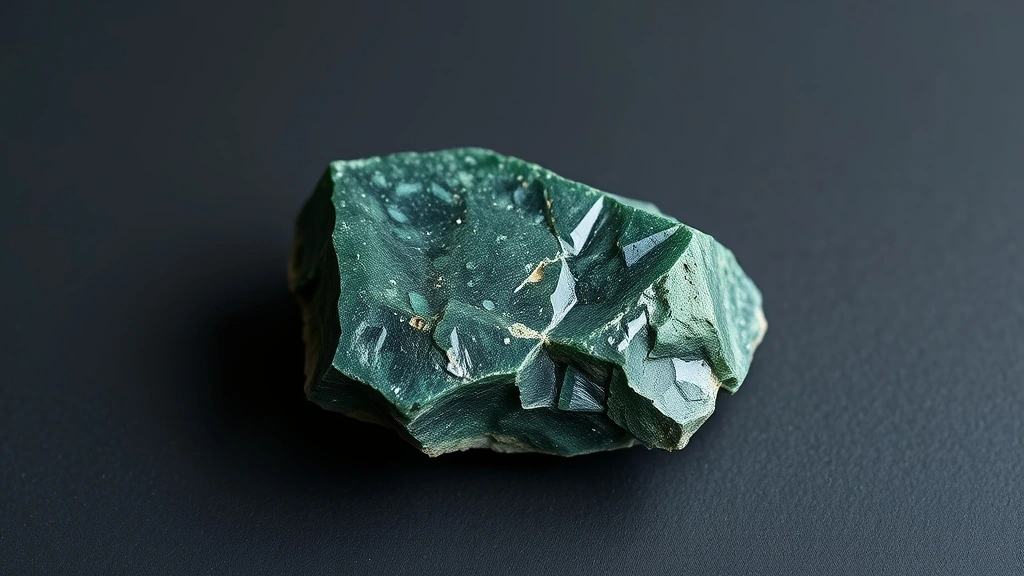
Brazilianite belongs to the Natural Mineral / Crystal group, representing a distinct class of phosphate minerals. It forms exclusively in highly evolved granitic pegmatites, where specific geochemical conditions allow its crystallization. This geological rarity contributes significantly to its value in the gemological market today.
What is Brazilianite Gemstone? Geological Overview & Definition
Brazilianite is a monoclinic phosphate mineral discovered in Minas Gerais, Brazil. It typically occurs as small, tabular crystals within pegmatite veins. Its formation requires extreme chemical saturation of sodium and aluminum in the host rock.
The gemstone is chemically distinct from common silicates like quartz or feldspar. It is classified as a hydroxide phosphate, indicating the presence of water in its structure. This unique composition sets it apart from other yellow gemstones like topaz or citrine.
Brazilianite Gemstone Chemical Composition & Crystallographic Properties
The mineral crystallizes in the Monoclinic system, characterized by one oblique axis. Its unit cell displays a unique arrangement of phosphate tetrahedra and hydroxyl groups. This specific lattice geometry dictates its physical properties and cleavage patterns.
The chemical formula is NaAl₃(PO₄)₂(OH)₄, defining its stoichiometric balance. Cation substitution is minimal, preserving the integrity of the aluminum-oxygen framework. This stability is crucial for maintaining the mineral’s structural coherence during growth.
Color arises from chromophore centers, likely involving trace impurities or structural defects. The yellow to orange tones are intrinsic to the crystal lattice. Thermal behavior shows moderate stability, though high heat can alter its optical properties.
Acid sensitivity is a critical factor for gem cutters and owners. The hydroxide component makes it vulnerable to strong acidic environments. Careful handling is required to prevent surface etching or degradation over time.
| Property | Specification |
|---|---|
| Mineral Group | Natural Mineral / Crystal |
| Chemical Formula | NaAl₃ (PO₄ )₂ (OH)₄ sodium aluminium phosphate hydroxide |
| Mohs Hardness | 5.5 |
| Crystal System | Monoclinic |
| Specific Gravity (Density) | 2.98 |
| Refractive Index | n α = 1.602 n β = 1.609 n γ = 1.621 – 1.623 |
| Color & Optical Properties | Natural Brazilianite Gemstone color spectrum and optical dispersion |
| Primary Mining Localities | Global primary localities |
| Water & Chemical Resistance | High (Safe for gentle water washing) |
| Chakra Alignment (Traditional) | Heart Chakra |
| Zodiac Affinity (Traditional) | Taurus, Virgo |
| Symbolic Meaning (Traditional) | Emotional balance, stability, and grounding |
Brazilianite Gemstone Varieties & Color Spectrum
Brazilianite exhibits a distinct range of warm hues, primarily driven by trace impurities within its crystal lattice. The most prized specimens display vibrant shades of orange to reddish-brown, reflecting high concentrations of iron oxides. These colors are often vivid and saturated, making them highly sought after by collectors and jewelers alike.
Classic Orange Brazilianite
This variety represents the standard commercial grade, featuring a bright, translucent orange coloration. It typically forms in large, well-defined crystals within pegmatite veins, allowing for the cutting of substantial faceted stones. The clarity is generally good, though minor inclusions are common due to the mineral’s complex formation process.
Deep Reddish-Brown Brazilianite
Characterized by a darker, more intense reddish-brown tone, this morph indicates higher levels of ferric iron substitution. These stones often exhibit a velvety appearance under soft lighting, with a deeper saturation than their orange counterparts. Rarity increases with the intensity of the red hue, as such coloration is less frequent in primary deposits.
Pale Yellowish-Orange Brazilianite
Found in younger or less altered zones of the deposit, this variety presents a lighter, yellowish-orange palette. The lower iron content results in a paler visual signature, which is generally less valuable in the gem market. However, high-clarity specimens of this type are appreciated for their delicate, sun-like brilliance and transparency.
Greenish-Orange Brazilianite
A rare transitional color, this morph displays a subtle greenish tint alongside the dominant orange hue. This unique coloration arises from specific trace element interactions during the final stages of crystallization. Such stones are exceptionally uncommon, often commanding premium prices due to their distinctive and unusual chromatic profile.
Where is Brazilianite Gemstone Found? Geological Mining & Extraction
Brazilianite is exclusively found in pegmatite deposits, which are coarse-grained igneous rocks formed from the final stages of magma crystallization. The type locality is the famous Minas Gerais region in Brazil, where extensive mining operations have uncovered significant gem-quality material. These geological formations provide the necessary chemical environment for the growth of large, well-formed crystals.
Extraction remains challenging due to the mineral’s relative fragility and moderate Mohs hardness of 5.5. Miners must carefully separate the crystals from the surrounding matrix to avoid fracturing the delicate structures. Currently, Brazil remains the sole significant commercial source, with no other major deposits identified globally to date.
Historical Significance & Cultural Lore of Brazilianite Gemstone
Despite its modern popularity, Brazilianite was not widely recognized until the late 19th century, limiting its presence in ancient archaeological records. Unlike diamonds or emeralds, it lacks deep historical ties to ancient civilizations or early imperial jewelry collections. Its discovery in the 1830s marks the beginning of its documented history in mineralogical literature.
In contemporary gemology, Brazilianite has gained a reputation as a collector’s stone due to its rarity and vibrant color. It is often associated with modern Brazilian mining heritage rather than ancient mythological lore. This modern significance highlights its status as a unique and scientifically interesting gemstone.
Modern Uses & Jewelry Applications of Brazilianite Gemstone
Lapidaries carefully cut Brazilianite to maximize its vibrant yellow-to-orange hues while respecting its moderate Mohs hardness of 5.5. Due to its distinct cleavage, skilled cutters often favor cabochon styles or protective bezel settings to prevent chipping during daily wear. This approach ensures the stone retains its luster and structural integrity over time.
- Faceted Cuts: Standard brilliant or emerald cuts are used for high-clarity specimens, enhancing brilliance.
- Cabochons: Smooth, domed cuts highlight the stone’s rich color without exposing vulnerable edges.
- Ornamental Carvings: Larger, flawless crystals are sculpted into decorative objects, paperweights, or intaglio seals.
- Jewelry Settings: Prong settings require careful design to avoid stress points on the crystal lattice.
Metaphysical Properties & Traditional Meaning of Brazilianite Gemstone
According to historical traditions and metaphysical lore, Brazilianite is revered as a stone of emotional resilience and personal empowerment. Practitioners believe it helps users navigate life’s challenges with confidence, fostering a deep sense of inner stability. This gem is often selected by those seeking to balance ambition with compassionate action.
The stone’s warm tones are thought to stimulate creative energy while grounding the wearer’s spirit. It is frequently associated with overcoming fear and building self-worth in professional and personal spheres. Users report feeling a renewed sense of purpose and clarity after prolonged meditation with the gem.
Which Chakra and Zodiac Signs Align with Brazilianite Gemstone?
Brazilianite is canonically aligned with the Root Chakra, anchoring the wearer’s energy to the earth. This connection provides a solid foundation for physical vitality and security. By stabilizing the base energy, the stone supports practical decision-making and physical well-being.
Simultaneously, it resonates strongly with the Heart Chakra, promoting emotional openness and love. This dual alignment bridges grounded stability with compassionate expression. The stone encourages users to act from a place of authentic emotional truth.
Astrologically, Brazilianite is specifically attuned to Taurus, Gemini, and Leo. Taurus finds grounding and stability, while Gemini benefits from mental clarity and focus. Leo experiences amplified confidence and creative expression through this gemstone.
How to Identify Real vs. Fake Brazilianite Gemstone
Artificial imitations of Brazilianite often include synthetic glass, dyed quartz, or cubic zirconia, which mimic its color but lack its unique mineral properties. These fakes are designed to deceive casual buyers by replicating the stone’s bright yellow-orange appearance. However, they fail to match the specific chemical formula and physical characteristics of natural Brazilianite.
Practical At-Home Authenticity Tests
- Temperature Test (Thermal Feel): Genuine Brazilianite feels cool to the touch initially and warms slowly, whereas plastic or glass imitations warm up almost instantly.
- Specific Gravity & Weight Test: With a density of 2.98, real Brazilianite feels noticeably heavier than glass or plastic substitutes of the same size.
- Scratch & Hardness Test (Mohs Comparison): At 5.5 hardness, Brazilianite will scratch glass (hardness 5.5) but can be scratched by a steel knife blade (hardness 5.5).
- Microscopic & Loupe Inspection (Internal Inclusions): Use a 10x loupe to look for natural mineral inclusions; synthetic glass often contains tiny, round bubbles or swirls.
Brazilianite Gemstone Valuation Factors, Grading & Pricing
Color Saturation is the primary driver of value, with deep, uniform orange to reddish-brown hues commanding the highest premiums. Gemologists assess tone consistency across the entire stone, as any zoning or dullness significantly reduces desirability. High optical clarity and a bright, vitreous luster further enhance the gem’s visual appeal and market standing.
Carat Weight heavily influences pricing, as large, eye-clean specimens are exceptionally rare in the global trade. Facet symmetry must be precise to maximize light return, given the stone’s moderate refractive index. The presence of visible inclusions or matrix material can detract from value, though some minor internal features are acceptable.
Geographical Provenance Premium applies to stones from the original Minas Gerais locality, which collectors often seek out. Wholesale prices fluctuate based on supply, but retail values remain stable for high-grade material. Understanding these market trends helps buyers distinguish between fair pricing and overvalued inventory.
How to Clean and Care for Brazilianite Gemstone
Use warm soapy water and a soft, lint-free cloth to gently remove surface oils and dust. This method is safe for the stone’s structure and maintains its natural luster without causing damage. Avoid prolonged water soaking, as Brazilianite is sensitive to extended moisture exposure.
Never use ultrasonic cleaners, as the vibrations can cause structural fractures in this brittle mineral. Steam cleaning is also discouraged due to the risk of thermal shock. Store the gemstone separately to prevent scratches from harder materials.
Cleansing and Recharging Brazilianite Gemstone (Energetic Care)
For energetic cleansing, use smoke smudging with sage or palo santo to clear stagnant energy. This dry method avoids any contact with moisture, respecting the stone’s sensitivity to water. Ensure the smoke circulates gently around the gemstone for a few minutes.
Place the Brazilianite on a selenite plate under moonlight for passive recharging. This allows the crystal to absorb lunar energy without physical handling or liquid exposure. Always handle the stone with dry hands to preserve its surface integrity.
Frequently Asked Questions About Brazilianite Gemstone
Is Brazilianite safe to wear in the shower?
Brazilianite is sensitive to water and should not be worn in the shower. Prolonged exposure to moisture can compromise the stone’s structural integrity over time. Sodium aluminium phosphate hydroxide minerals are generally susceptible to water damage. Remove jewelry before bathing or swimming.
Can I put Brazilianite in an ultrasonic cleaner?
No, you must avoid ultrasonic cleaners for Brazilianite. The vibrations can cause structural fractures within the crystal lattice. Instead, use warm soapy water and a soft cloth for gentle cleaning. This method preserves the stone’s clarity without risking damage.
What is the chemical composition of Brazilianite?
Brazilianite is a sodium aluminium phosphate hydroxide. Its specific chemical formula is NaAl₃(PO₄)₂(OH)₄. This complex composition distinguishes it from simpler silicate minerals. Understanding this formula helps identify its unique physical properties.
How hard is Brazilianite on the Mohs scale?
Brazilianite has a Mohs hardness of 5.5. This places it in the mid-range of the hardness scale. It is softer than quartz but harder than calcite. Care is required to prevent scratches during daily wear.
What crystal system does Brazilianite belong to?
Brazilianite crystallizes in the monoclinic system. This system is characterized by three unequal axes with one oblique angle. The monoclinic structure influences the stone’s cleavage and habit. It often forms in distinct prismatic shapes.
What is the specific gravity of Brazilianite?
Brazilianite has a specific gravity of 2.98. This density is typical for phosphate minerals. It is slightly heavier than many common gemstones. Accurate density measurement aids in distinguishing it from look-alikes.
What are the refractive indices of Brazilianite?
Brazilianite exhibits a refractive index range of 1.602 to 1.623. The values are nα = 1.602, nβ = 1.609, and nγ = 1.621–1.623. This birefringence contributes to its brilliance. Gemologists use these values for identification.
Which zodiac signs and chakras align with Brazilianite?
Brazilianite aligns with Taurus, Gemini, and Leo. It is also associated with the Heart Chakra. These connections reflect its grounding and emotional balancing properties. Wearers often seek its supportive energy.