
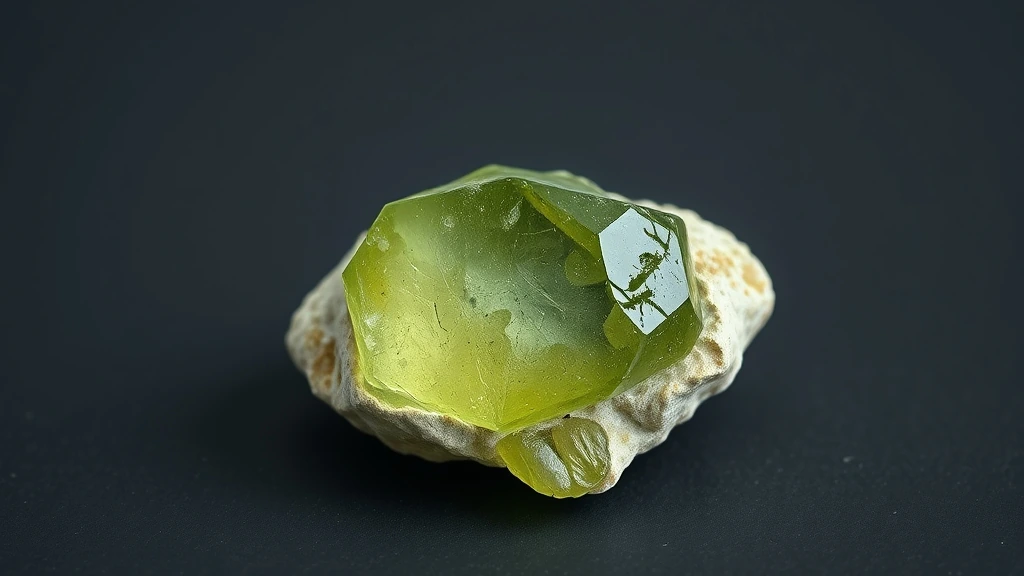
Chrysoberyl belongs to the Natural Mineral / Crystal group, distinguishing it from synthetic analogs or organic gemstones. It forms in pegmatites and metamorphic rocks, where high-pressure conditions facilitate its stable orthorhombic lattice structure. This geological origin ensures exceptional durability and optical clarity for gemological applications.
What is Chrysoberyl Gemstone? Geological Overview & Definition
Chrysoberyl is a rare, high-hardness mineral prized for its exceptional durability and optical properties. It typically forms in pegmatitic and metamorphic environments, where specific chemical conditions allow beryllium to substitute into the crystal lattice. This geological setting contributes to its rarity and high market value.
The name derives from Greek, meaning “gold stone,” reflecting its common yellow to greenish hues. However, the most famous variety, alexandrite, exhibits a unique color-change effect under different light sources. This phenomenon makes chrysoberyl a standout gemstone in both jewelry and mineral collections.
Chrysoberyl Gemstone Chemical Composition & Crystallographic Properties
Chrysoberyl crystallizes in the orthorhombic system, characterized by three mutually perpendicular axes of unequal length. This lattice structure provides the stone with its distinct cleavage and high refractive index. The chemical formula BeAl₂O₄ defines its stoichiometric composition, ensuring consistent physical properties.
The crystal lattice allows for limited cation substitution, where trace elements like iron or chromium can replace aluminum. These impurities act as chromophores, determining the stone’s final color. For instance, chromium impurities are responsible for the color-change effect in alexandrite.
Chrysoberyl is chemically stable and resistant to most acids, making it ideal for daily wear. Its thermal behavior is stable, with no significant phase changes under normal heating conditions. This resilience ensures that the gemstone retains its optical and structural integrity over time.
| Property | Specification |
|---|---|
| Mineral Group | Natural Mineral / Crystal |
| Chemical Formula | BeAl₂ O₄ |
| Mohs Hardness | 8.5 |
| Crystal System | Orthorhombic |
| Specific Gravity (Density) | 3.5–3.84 |
| Refractive Index | n α =1.745 n β =1.748 n γ =1.754 |
| Color & Optical Properties | Natural Chrysoberyl Gemstone color spectrum and optical dispersion |
| Primary Mining Localities | Global primary localities |
| Water & Chemical Resistance | High (Safe for gentle water washing) |
| Chakra Alignment (Traditional) | Solar Plexus Chakra, Heart Chakra |
| Zodiac Affinity (Traditional) | Leo, Virgo |
| Symbolic Meaning (Traditional) | Wisdom, mental clarity, and emotional balance |
Beryl Varieties & Comprehensive Sub-Types
Emerald
Emerald is the most prestigious beryl variety, distinguished by its intense green hue derived from Chromium (Cr³⁺) and vanadium impurities. Its geological formation often occurs in metamorphic schists, where slow crystal growth allows for the development of characteristic internal features. Gemologists frequently observe three-phase inclusions, known as *jardin*, which serve as primary authenticity markers in the trade.
The market values emeralds based on color saturation and the extent of these natural inclusions. High-grade stones exhibit minimal visible flaws to the naked eye while retaining their vibrant deep green coloration. This rarity drives its status as a major gemstone, commanding premium prices in the global luxury market.
Aquamarine
Aquamarine displays a range of sea-blue to cyan tones, primarily caused by Fe²⁺ iron substitutions within the crystal lattice. These crystals typically form in large, well-faceted hexagonal prisms within granitic pegmatites, often reaching significant sizes. The clarity of aquamarine is a critical gemological grade, with eye-clean specimens being highly sought after.
Trade status for aquamarine is robust, with major deposits found in Brazil, Madagascar, and Mozambique. Unlike emerald, this variety is prized for its high transparency and lack of prominent inclusions. The optical clarity of the stone allows light to penetrate deeply, enhancing its cool, aquatic visual appeal.
Morganite
Morganite is a delicate peach-pink beryl, colored by trace amounts of Manganese (Mn²⁺) within its structure. It typically forms in pegmatite veins alongside other beryl varieties, often exhibiting a soft, pastel appearance. The stone’s gentle hue makes it a popular choice for romantic jewelry settings and engagement rings.
In the gem trade, morganite is valued for its large crystal sizes and relative affordability compared to other colored beryls. Its pinkish-orange tone is distinct from other pink gemstones, aided by its specific refractive index. Lapidaries often cut these stones into large cushions to maximize their soft, romantic color.
Heliodor (Golden Beryl)
Heliodor, or golden beryl, features a yellow to greenish-yellow color caused by Fe³⁺ iron ions. These crystals are commonly found in pegmatites and hydrothermal veins, often associated with other beryl species. The stone’s warm, sunny hue distinguishes it from topaz and citrine in the gem market.
Gemologists assess heliodor based on the intensity of its golden-yellow color and overall clarity. While less common than aquamarine, it remains a significant commercial gemstone with deposits in Brazil and Russia. Its durability and brightness make it a versatile option for both casual and fine jewelry.
Goshenite
Goshenite is the pure, colorless variety of beryl, lacking any significant chromophore impurities that would alter its appearance. It forms in granitic pegmatites and is often found as large, clear crystals with minimal internal flaws. This high optical clarity makes it a popular substitute for diamond in certain jewelry applications.
The trade values goshenite for its exceptional transparency and high refractive index, which provides excellent brilliance. While less colorful than other beryls, its purity and durability ensure a steady market presence. Gemologists often use it as a reference standard for clarity grading in the beryl family.
Red Beryl (Bixbite)
Red beryl, or bixbite, is an extremely rare variety colored by Mn³⁺ manganese ions within the crystal structure. It is primarily found in the Wah Wah Mountains of Utah, where it forms in rhyolite-hosted pegmatites. This stone is estimated to be one thousand times rarer than gold, making it a true collector’s item.
Due to its scarcity, red beryl commands exceptionally high prices per carat in the gem trade. The stone’s vivid red color is unique among beryls, distinguishing it from rubies and garnets. Its rarity and distinct origin story contribute significantly to its prestige among serious gem collectors.
Gemologists differentiate these beryl varieties primarily through their chemical chromophores and specific optical properties. While all share the same orthorhombic crystal system and hardness, their distinct colors and inclusion patterns allow for precise identification. This systematic approach ensures accurate grading and valuation in the global gemstone market.
Where is Chrysoberyl Gemstone Found? Geological Mining & Extraction
Chrysoberyl typically forms in granitic pegmatites and metamorphic rocks, often associated with other rare minerals. The most significant deposits are located in Madagascar, Sri Lanka, and Brazil, where mining operations yield high-quality gem material. These regions provide the specific geological conditions necessary for the growth of large, clear crystals.
Extraction methods vary by location, ranging from open-pit mining to careful hand-picking in alluvial deposits. Gemologists and miners focus on identifying orthorhombic crystals with minimal inclusions to ensure high gemological value. The rarity of chrysoberyl requires meticulous processing to preserve the integrity of each stone.
Historical Significance & Cultural Lore of Chrysoberyl Gemstone
Ancient civilizations valued chrysoberyl for its durability and unique optical properties, often confusing it with other hard gemstones. Archaeological evidence suggests its use in ornamental jewelry and ceremonial objects, reflecting its high social status. The stone’s name, meaning “golden stone,” highlights its historical association with wealth and prestige.
Cultural lore often links chrysoberyl to wisdom and mental clarity, attributes that resonate with its modern esoteric interpretations. This enduring legacy has cemented its place in both historical records and contemporary gemological studies. The stone’s rich history continues to influence its perception in the global market.
Modern Uses & Jewelry Applications of Chrysoberyl Gemstone
Lapidaries prize chrysoberyl for its exceptional durability and high refractive index, which allows for brilliant light return in faceted cuts. The stone’s Mohs hardness of 8.5 makes it ideal for rings and bracelets that endure daily wear without significant abrasion.
- Faceted Cuts: Standard brilliant and mixed cuts maximize the stone’s natural luster and fire.
- Cabochons: Smooth, domed cuts are often used for alexandrite varieties to showcase color change.
- Ornamental Carving: Rarely carved due to brittleness, but used in high-end intaglio work for historical pieces.
Carat, Quality Grades & Value Factors of Chrysoberyl
According to historical traditions and metaphysical lore, chrysoberyl is revered as a stone of wisdom and profound mental clarity. Practitioners believe it stabilizes the wearer’s emotional state, fostering a deep sense of emotional balance during turbulent times.
- Mental Clarity: Associated with sharp intellect and the ability to see through deception.
- Wisdom: Symbolizes the accumulation of knowledge and the application of insight.
- Balance: Represents the harmonization of opposing forces within the psyche.
Which Chakra and Zodiac Signs Align with Chrysoberyl Gemstone?
In esoteric practice, chrysoberyl is primarily aligned with the Solar Plexus Chakra, the center of personal power and will. This connection supports the stone’s reputation for enhancing confidence and self-esteem in the wearer.
- Solar Plexus Chakra: Located in the upper abdomen, governing ego and identity.
- Leo: The ruling sign for chrysoberyl, sharing the stone’s radiant and regal energy.
The stone also resonates strongly with the Heart Chakra, promoting compassion and emotional healing. This dual alignment bridges personal power with universal love, creating a holistic energetic profile.
- Heart Chakra: Located in the chest, governing love and connection.
- Virgo: The secondary zodiac sign, reflecting the stone’s analytical and service-oriented nature.
How to Identify Real vs. Fake Chrysoberyl Gemstone
Distinguishing natural chrysoberyl from imitations requires careful observation, as synthetic glass and dyed quartz are common substitutes. Glass imitations often lack the natural specific gravity of the genuine mineral and may exhibit bubbles.
- Synthetic Glass: Often has a higher refractive index and visible internal bubbles.
- Dyed Quartz: May show color in surface fractures rather than throughout the body.
- Cubic Zirconia: Harder than chrysoberyl but has significantly higher dispersion and weight.
Practical At-Home Authenticity Tests
- Temperature Test (Thermal Feel): Genuine chrysoberyl feels cool to the touch initially and warms slowly, whereas glass often feels warmer or cools down faster due to lower thermal conductivity.
- Specific Gravity & Weight Test: Chrysoberyl has a density of 3.5–3.84 g/cm³. It should feel heavier than glass of the same size but lighter than cubic zirconia or sapphire.
- Scratch & Hardness Test (Mohs Comparison): With a Mohs hardness of 8.5, chrysoberyl will scratch glass (hardness 5.5) and topaz (8.0) but will not scratch sapphire or diamond.
- Microscopic & Loupe Inspection (Internal Inclusions): Use a 10x loupe to look for natural inclusions like rutile needles or fluid inclusions. Glass often contains spherical bubbles or swirl marks, which are definitive signs of imitation.
Chrysoberyl Gemstone Valuation Factors, Grading & Pricing
Color Saturation is the primary driver of value in chrysoberyl, with deep, uniform golden-yellow tones commanding the highest premiums. Gemologists assess tone consistency across the entire stone, as any zoning or dullness significantly reduces market appeal. High optical clarity and exceptional vitreous luster further enhance desirability, ensuring the stone retains its brilliance under various lighting conditions.
Carat Weight influences pricing exponentially, as large, flawless specimens are exceedingly rare in the global gem market. Precise facet symmetry is critical for maximizing light return, making well-cut stones far more valuable than those with irregular proportions. The presence of visible matrix or internal inclusions generally lowers the grade, though certain silk-like inclusions may be acceptable in lower-tier commercial stones.
Geographical Provenance Premium plays a significant role, with stones from renowned locales like Sri Lanka or Brazil often fetching higher prices. Current wholesale trends indicate steady demand for high-quality chrysoberyl, while retail values reflect a premium for certified, untreated specimens. Buyers should monitor market fluctuations, as supply constraints from major mines can drive retail market value upward over time.
How to Clean and Care for Chrysoberyl Gemstone
To maintain the stone’s integrity, always use warm soapy water and a soft cloth for routine cleaning. This gentle method effectively removes oils and dust without risking surface damage to the hard mineral structure. Given its high water resistance, chrysoberyl is safe for gentle washing, making it ideal for everyday jewelry wear.
You may safely use an ultrasonic cleaner for deeper maintenance, as the stone’s durability withstands the vibrations. Avoid harsh chemicals or abrasive materials that could compromise the polish or setting. Regular professional inspections ensure that prongs remain secure, preserving the gemstone’s long-term aesthetic and structural stability.
Cleansing and Recharging Chrysoberyl Gemstone (Energetic Care)
For energetic cleansing, place the chrysoberyl on a selenite plate overnight to absorb ambient negative energies. This dry method respects the mineral’s physical properties while aligning with its association with the Solar Plexus Chakra. Avoid submerging the stone in water for extended periods during this ritual to prevent potential setting corrosion.
You can also perform smoke smudging with sage or palo santo to purify the stone’s energetic field. Alternatively, expose the gem to moonlight during a full moon to recharge its vibrational frequency. These non-invasive techniques ensure the stone remains energetically balanced without risking physical damage from moisture or heat.
Frequently Asked Questions About Chrysoberyl Gemstone
Is chrysoberyl safe to wear in the shower?
Yes, chrysoberyl is highly water-resistant and safe for gentle washing. Its robust orthorhombic crystal structure prevents water absorption or chemical degradation. You can confidently wear it during daily activities, including showering, without risking damage to the stone’s integrity or luster.
Can you clean chrysoberyl in an ultrasonic cleaner?
Yes, chrysoberyl is safe for ultrasonic cleaning due to its high hardness. The stone’s Mohs hardness of 8.5 ensures it withstands ultrasonic vibrations without fracturing. For routine maintenance, use warm soapy water and a soft cloth to preserve its brilliance effectively.
What is the chemical formula of chrysoberyl?
The chemical formula is BeAl₂O₄, representing a beryllium aluminum oxide. This specific orthorhombic mineral composition gives chrysoberyl its exceptional durability and optical properties. Understanding this formula helps distinguish it from other beryllium-bearing minerals like emerald or aquamarine.
Which zodiac signs are compatible with chrysoberyl?
Chrysoberyl is traditionally aligned with Leo and Virgo. These signs benefit from the stone’s association with wisdom and mental clarity. Wearing chrysoberyl may enhance personal traits like confidence and analytical thinking for individuals born under these astrological signs.
Which chakras does chrysoberyl activate?
Chrysoberyl primarily aligns with the Solar Plexus and Heart Chakras. This dual connection supports emotional balance and personal power. It helps users integrate intellectual clarity with heartfelt intuition, fostering a harmonious inner state.
How hard is chrysoberyl on the Mohs scale?
Chrysoberyl ranks 8.5 on the Mohs scale of hardness. This makes it one of the hardest gemstones, second only to diamond and corundum. Its high density of 3.5–3.84 further contributes to its resistance against scratching and physical wear.
What is the refractive index of chrysoberyl?
Chrysoberyl has a high refractive index, ranging from 1.745 to 1.754. This optical property contributes to its strong brilliance and fire. The specific values (nα=1.745, nβ=1.748, nγ=1.754) indicate significant birefringence, which can affect clarity in larger stones.
Is chrysoberyl a good choice for everyday jewelry?
Yes, its exceptional hardness makes it ideal for daily wear. The stone’s orthorhombic structure and high durability ensure it retains its polish over time. It is a practical yet luxurious option for rings and bracelets that face frequent contact.