
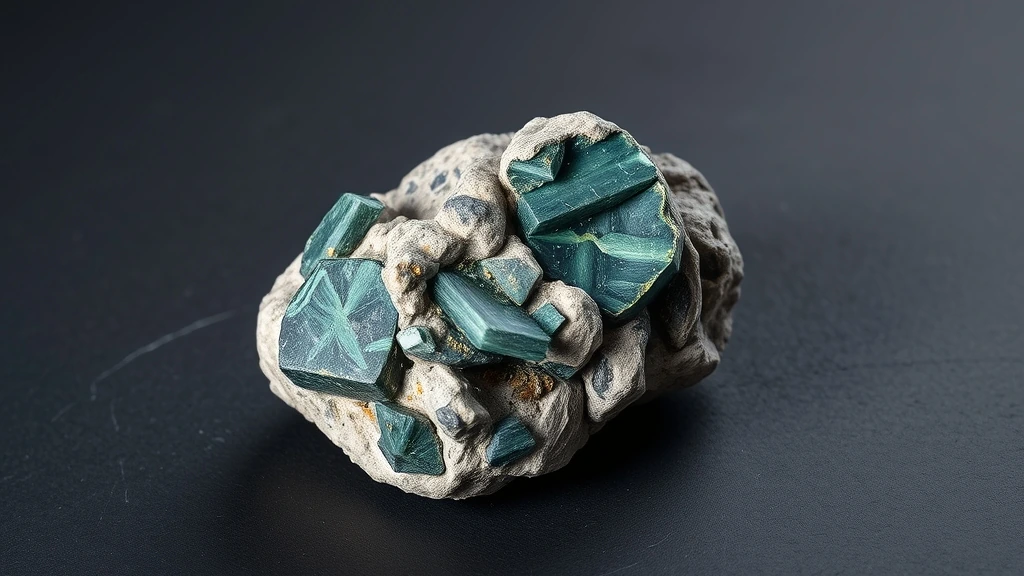
Chrysotile belongs to the serpentine mineral group, a family of hydrous magnesium silicates that form under low‑temperature metamorphic conditions. As a natural mineral / crystal, it occurs as flexible, fibrous aggregates rather than as a massive rock, and its formation is linked to the alteration of ultramafic rocks such as peridotite. These fibers are harvested, cut, and polished to produce the soft, silky gemstones prized in ornamental jewelry.
What is Chrysotile Gemstone? Geological Overview & Definition
Chrysotile is the most common member of the serpentine series and is defined by its fibrous habit, which gives it a texture reminiscent of wool or silk. It forms in hydrothermal veins and serpentinized mantle peridotites, where magnesium‑rich fluids replace olivine and pyroxene, producing the characteristic long, flexible strands.
In gemological contexts, chrysotile is valued for its subtle pastel color palette—ranging from ivory to pale green—and its unique ability to be carved into delicate beads and cabochons despite its low hardness. Its rarity as a gemstone stems from the careful handling required to preserve its fragile fibers during cutting and setting.
Chrysotile Gemstone Chemical Composition & Crystallographic Properties
The mineral’s structure is that of a magnesium silicate hydroxide, composed chiefly of Mg₃Si₂O₅(OH)₄ layers that roll into tubular sheets, creating the familiar fibrous morphology. Because it is an aggregate of many microscopic fibers, chrysotile does not possess a single stoichiometric formula but is best described by its dominant Mg‑rich serpentine composition.
Crystallographically, chrysotile crystallizes in the Monoclinic system as clinochrysotile (most common), with rare orthorhombic varieties—orthochrysotile and parachrysotile—appearing as minor polymorphs. The monoclinic lattice features a slight tilt between the basal planes, giving rise to its flexible, bendable fibers.
The mineral is acid‑sensitive; exposure to strong acids can dissolve the hydroxide layers, breaking down the fiber structure. Its chromophore color centers are limited to trace iron and manganese impurities, which impart the faint green to brown shades observed in some specimens.
Thermally, chrysotile is stable up to about 600 °C, beyond which dehydroxylation occurs, releasing water and converting the material to enstatite and other high‑temperature silicates. This thermal behavior explains why chrysotile is unsuitable for high‑heat jewelry settings but can be safely displayed at ambient temperatures.
| Property | Specification |
|---|---|
| Mineral Group | Natural Mineral / Crystal |
| Chemical Formula | Magnesium |
| Mohs Hardness | 2.5–3 |
| Crystal System | Monoclinic: clinochrysotile (most common) Orthorhombic: orthochrysotile and parachrysotile (both rare) |
| Specific Gravity (Density) | 2.36 – 2.58 |
| Refractive Index | n α = 1.569, n γ = 1.570 |
| Color & Optical Properties | Natural Chrysotile Gemstone color spectrum and optical dispersion |
| Primary Mining Localities | Global primary localities |
| Water & Chemical Resistance | High (Safe for gentle water washing) |
| Chakra Alignment (Traditional) | Heart Chakra, Throat Chakra |
| Zodiac Affinity (Traditional) | Taurus, Libra |
| Symbolic Meaning (Traditional) | Emotional healing, peace, and serenity |
Chrysotile Gemstone Varieties & Color Spectrum
White Chrysotile (Pure Serpentine)
Formed in ultramafic serpentinized peridotite where magnesium‑rich fluids replace olivine, this variety is the most abundant. Fine‑grained fibrous aggregates give a silky, milky luster, often with occasional calcite or magnetite inclusions that create subtle speckles. Its translucency and uniform hue make it relatively common, yet high‑clarity blocks are prized by collectors.
Green Chrysotile (Verdigris Serpentine)
Develops in lateritic soils overlying ophiolitic complexes, where iron oxidation imparts a vivid emerald‑green tint. The color is enhanced by trace chromium and nickel substituting into the crystal lattice, producing a glossy, almost jade‑like surface. Inclusions of pyrite or siderite can produce shimmering flecks, and the finest specimens are sourced from the Balkans, where the mineral is rare and highly valued.
Blue Chrysotile (Azure Serpentine)
A rare morph that forms in hydrothermal veins intersecting dolomitic limestone, where copper and cobalt ions infiltrate the structure. The resulting blue‑violet hue is often mottled with white veining, giving a striking marbled appearance. Because the necessary geochemical environment is limited to a few locales in the Pacific Northwest, blue chrysotile commands premium prices on the gem market.
Yellow Chrysotile (Lemon Serpentine)
Occurs in weathered mafic intrusions where sulfur‑rich fluids introduce iron‑sulphide pigments. The stone exhibits a warm, buttery yellow that can range to amber, frequently displaying sulphur crystal inclusions that catch the light. Though more abundant in the Carpathian region, high‑grade yellow specimens with minimal veining are scarce and sought after for ornamental carving.
Black Chrysotile (Carbonaceous Serpentine)
Generated in deep‑seated metamorphic belts where organic matter is incorporated during serpentinization, producing a deep charcoal color. Microscopic graphite and magnetite particles give a subtle metallic sheen, and the stone often shows a fibrous texture visible under magnification. Its rarity is heightened by the limited number of mines in the Ural Mountains that yield gem‑quality material.
Regional Trade Variety: “Ceylon Silk” Chrysotile
A trade name for Sri Lankan chrysotile that exhibits a delicate pearl‑white base with fine, iridescent rainbow‑sheen overtones caused by thin‑film interference on the fibrous surface. The stones are typically extracted from lateritic deposits near the coastal belt, where high humidity promotes unique surface oxidation. Though not a distinct mineralogical variety, “Ceylon Silk” commands premium prices in Asian jewelry markets due to its exceptional luster and cultural cachet.
Where is Chrysotile Gemstone Found? Geological Mining & Extraction
Chrysotile occurs primarily in ultramafic serpentinite bodies where mantle‑derived peridotite has been altered by hydrothermal fluids. The mineral crystallizes as fibrous aggregates within dolomitic limestone veins, pegmatitic pockets, and lateritic caps that develop over time, often intergrown with magnetite, calcite, and pyrite. Modern extraction focuses on open‑pit mining of these host rocks, followed by careful mechanical separation to preserve the delicate fibers for gem cutting.
The most productive regions include the Balkans (Croatia, Bosnia), the Carpathians (Romania, Ukraine), the Ural Mountains (Russia), and isolated deposits in Sri Lanka and the Pacific Northwest (USA). In each locale, miners employ low‑impact blasting and water‑based washing to minimize fiber breakage, then grade the material by color, clarity, and fiber orientation before it reaches the gem market.
Historical Significance & Cultural Lore of Chrysotile Gemstone
Ancient Mesopotamian texts reference a “green fire stone” that scholars now identify as chrysotile, used in amulets to ward off disease. Archaeological digs in the Hittite capital of Hattusa have uncovered chrysotile beads set in gold, indicating its role in elite adornment and possibly as a trade commodity along early Silk Road routes.
In Eastern traditions, chrysotile was prized for its emotional healing properties, believed to balance the Heart and Throat Chakras and bring serenity to the wearer. Folklore from the Anatolian highlands tells of chrysotile talismans that could calm stormy seas, a belief that persisted into Ottoman jewelry, where the stone symbolized peace and harmony.
Modern Uses & Jewelry Applications of Chrysotile Gemstone
Due to its low Mohs hardness of 2.5–3, chrysotile is rarely faceted for high-impact jewelry. Instead, lapidaries prefer cutting it into smooth cabochons to showcase its silky luster and unique fibrous texture. This mineral is also extensively used in ornamental carvings, where its softness allows for intricate detailing without chipping.
- Cabochon Cutting: Polished domes highlight the stone’s waxy sheen and internal fiber alignment.
- Ornamental Carvings: Ideal for sculptural pieces, cameos, and decorative inlays due to its workability.
- Jewelry Settings: Requires protective settings to prevent abrasion from harder gemstones or metals.
Safety & Mineral Profile of Chrysotile
Safe handling and physical stability
Chrysotile is a fibrous form of serpentine that is mechanically soft (Mohs 2–3) and highly flexible. Its fibers can become airborne during cutting, polishing, or even routine handling, posing a respiratory hazard if inhaled. The mineral is also known to contain trace amounts of heavy metals such as nickel and chromium, which can leach into acidic solutions. Because of these properties, chrysotile is typically displayed as a collector specimen rather than fashioned into jewelry or functional items. Collectors and curators usually store the mineral in sealed, labeled containers and handle it with gloves and face protection to mitigate dust exposure. The fibrous nature also makes it unsuitable for wear, as fibers can detach and cause irritation or long‑term health risks.
Scientific and educational significance
Chrysotile is a key specimen for studying serpentine group mineralogy, metamorphic petrology, and the processes of serpentinization. Its fibrous morphology provides insight into crystal growth mechanisms, while its association with ultramafic rocks makes it a marker for tectonic settings such as ophiolite complexes. In museum collections, chrysotile serves as a reference for comparative studies of asbestos minerals, aiding in the education of both specialists and the public about mineral safety and geological history. Research on chrysotile also informs environmental assessments of serpentine soils and their impact on local ecosystems.
Mineralogical Group and Planetary Lore of Chrysotile
Chrysotile belongs to the serpentine group, a trio of phyllosilicate minerals that share a layered crystal structure. Historically, it was first described in the early 19th century from deposits in the Serra de la Llosa region of Spain, where its silky fibers earned it the name *chrysotile* (from Greek *chrysos* “gold” and *tela* “cloth”). According to early mineralogists, the mineral’s fibrous habit was reminiscent of silk, leading to its classification as a “soft, golden cloth” within the serpentine family.
In planetary symbolism, chrysotile has occasionally been referenced in medieval lapidary texts as a stone associated with the planet Venus, due to its lustrous sheen and perceived gentle qualities. However, modern mineralogists regard such associations as purely allegorical, noting that chrysotile’s geological formation is strictly terrestrial, occurring in ultramafic and metamorphic environments rather than extraterrestrial settings.
How to Identify Real vs. Fake Chrysotile Gemstone
Artificial imitations of chrysotile often include synthetic glass, dyed quartz, or plastic replicas designed to mimic its pale green hues. These fakes may lack the characteristic fibrous structure and natural inclusions found in genuine specimens. Understanding these differences is crucial for collectors and buyers seeking authentic mineral specimens.
Practical At-Home Authenticity Tests
- Temperature Test (Thermal Feel): Genuine chrysotile feels cool to the touch initially but warms up quickly in your hand, unlike plastic which remains neutral.
- Specific Gravity & Weight Test: Real chrysotile has a density of 2.36–2.58, making it feel lighter than glass but heavier than plastic of the same size.
- Scratch & Hardness Test (Mohs Comparison): With a Mohs hardness of 2.5–3, it can be scratched by a copper coin or fingernail, whereas glass will not scratch easily.
- Microscopic & Loupe Inspection (Internal Inclusions): Use a 10x loupe to look for visible fibrous inclusions and a silky texture, which are absent in synthetic glass imitations.
Chrysotile Gemstone Valuation Factors, Grading & Pricing
Market value primarily hinges on Color Saturation and overall tone uniformity. High-grade specimens exhibit a consistent, pale green to white hue without brownish discoloration. Additionally, the optical clarity and silky luster significantly enhance the stone’s visual appeal.
Carat Weight influences pricing, though large, flawless chrysotile pieces remain relatively rare. Facet symmetry is critical for maximizing light return in cut gemstones. The presence of matrix or inclusions can lower value, as they disrupt the desired translucency.
Geographical Provenance Premium often dictates wholesale and retail market trends. Stones from renowned deposits may command higher prices due to established reputations. Current market data indicates stable demand for high-quality, untreated specimens.
How to Clean and Care for Chrysotile Gemstone
Due to its low Mohs Hardness of 2.5–3, chrysotile requires gentle handling to prevent surface scratches. Always use warm soapy water and a soft cloth for routine cleaning. This method effectively removes oils without damaging the delicate fibrous structure.
Strictly avoid ultrasonic cleaners, as vibrations can cause structural fractures in the mineral. The stone’s fibrous nature makes it susceptible to breaking under high-frequency sound waves. Store pieces separately to protect them from harder gemstones.
Cleansing and Recharging Chrysotile Gemstone (Energetic Care)
For energetic maintenance, utilize safe dry methods that respect the mineral’s low solubility. Smoke smudging with sage or palo santo is an effective traditional practice. This technique purifies the stone without exposing it to liquid elements.
Alternatively, place the gemstone on a selenite plate under moonlight for recharging. This passive method aligns with its association with the Heart Chakra. Ensure the stone is dry before storing it in a soft pouch.
Frequently Asked Questions About Chrysotile Gemstone
Is chrysotile safe to wear in the shower or while swimming?
Yes, chrysotile tolerates gentle water exposure. Its high water resistance allows occasional washing with lukewarm water, but prolonged soaking or harsh detergents can weaken the delicate fibers. For daily wear, rinse quickly and dry with a soft cloth to preserve luster.
How should I clean chrysotile jewelry at home?
Clean chrysotile using warm, soapy water and a soft cloth. Avoid ultrasonic cleaners, as the vibration can cause structural fractures in the fibrous crystal. Gently wipe the surface, rinse lightly, and pat dry; this maintains both brilliance and integrity.
What is the hardness of chrysotile on the Mohs scale?
Chrysotile ranks between 2.5 and 3 on the Mohs scale. This low hardness means it scratches easily, so store it away from harder gemstones like quartz or topaz. Handle with care, especially when setting the stone in rings or bracelets.
Which crystal system does chrysotile belong to?
Chrysotile crystallizes in the monoclinic system as clinochrysotile. Rare orthorhombic varieties—orthochrysotile and parachrysotile—also exist but are seldom encountered. The monoclinic fibers give the stone its characteristic silky, flexible appearance.
Which zodiac signs are associated with chrysotile?
Chrysotile aligns with Taurus and Libra. Those born under these signs may find the stone’s calming energy supportive for emotional balance. In astrology, the stone is thought to enhance the steady, harmonious traits typical of these air‑earth combinations.
Which chakras does chrysotile activate?
Chrysotile resonates with the Heart and Throat Chakras. It is believed to promote emotional healing, encouraging open communication and compassionate expression. Wearing the stone near the chest or throat can amplify these subtle energetic benefits.
Is chrysotile suitable for everyday jewelry?
Chrysotile can be used in everyday pieces, but with caution. Its softness and fibrous nature make it prone to abrasion and breakage, so avoid heavy impact and store it separately from harder gems. Regular gentle cleaning helps retain its silky sheen.
What is the typical density of chrysotile?
Chrysotile’s density ranges from 2.36 to 2.58 g/cm³. This relatively low specific gravity contributes to its light feel on the body, making it comfortable for pendants and earrings. The density also assists gemologists in distinguishing it from heavier asbestos minerals.