
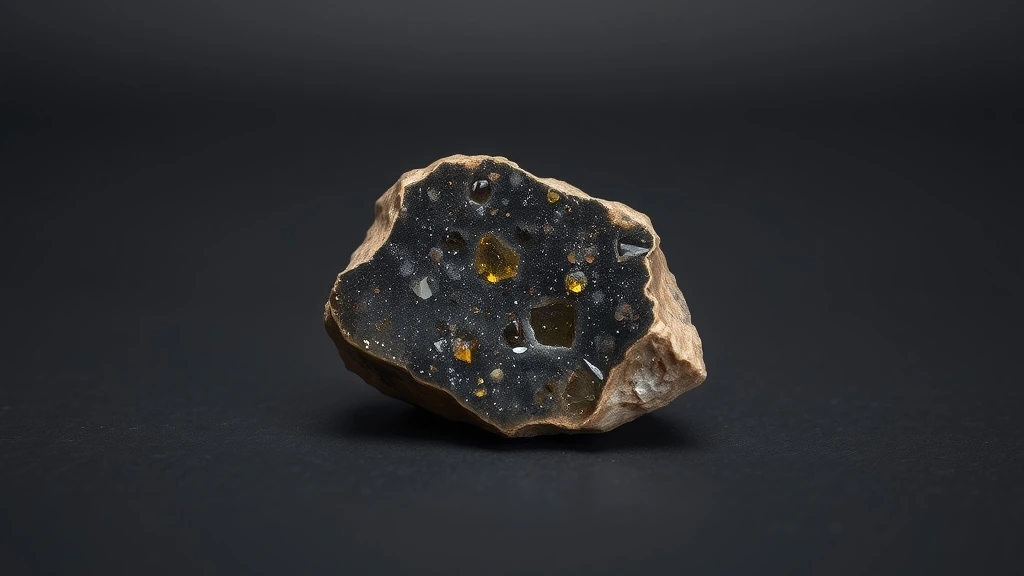
Copal is not a true mineral but a mineraloid formed from hydrated silica spheres. It belongs to the broader category of amorphous silicate materials that lack long-range atomic order. These spheres aggregate to form the solid gemstone material found in geological deposits. Understanding this classification is crucial for accurate gemological identification and valuation.
What is Copal Gemstone? Geological Overview & Definition
Copal forms through the precipitation of silica from hydrothermal fluids in volcanic environments. This process creates a dense, amorphous mass without a defined crystal lattice structure. Geologists classify it as a mineraloid because it lacks the internal periodicity required for true mineral status. Its formation is closely linked to volcanic activity and subsequent cooling processes.
The gemstone typically occurs in nodular or massive aggregates within basaltic rocks. These formations are often found in hydrothermal veins or as replacements of other minerals. The isotropic nature of copal means it does not exhibit double refraction under polarized light. This property distinguishes it from crystalline quartz and other silicate minerals.
Copal Gemstone Chemical Composition & Crystallographic Properties
Copal exhibits an amorphous structure composed of hydrated silica spheres rather than a repeating lattice. This disordered atomic arrangement results in isotropic optical properties and uniform refractive indices. The mineraloid status confirms the absence of long-range crystallographic order in its internal structure.
The chemical formula SiO₂·nH₂O indicates variable water content within the silica framework. Cation substitution is minimal, as the structure primarily relies on silicon-oxygen tetrahedra linked by hydrogen bonds. This composition makes the material acid sensitive, particularly to strong alkalis which can dissolve the silica network.
Color variations arise from impurities such as iron or manganese acting as chromophores. These color centers absorb specific wavelengths of light, producing hues from yellow to green. Thermal behavior shows that copal is heat sensitive, potentially dehydrating or cracking under high temperatures. Proper handling is essential to preserve its structural integrity and aesthetic value.
| Property | Specification |
|---|---|
| Mineral Group | Mineraloid (Hydrated Silica) |
| Chemical Formula | SiO₂·nH₂O (Hydrated Silicon Dioxide) |
| Mohs Hardness | 5.5 – 6.5 |
| Crystal System | Amorphous (Hydrated silica spheres / Mineraloid) |
| Specific Gravity (Density) | 1.98 – 2.25 |
| Refractive Index | 1.370 – 1.470 |
| Color & Optical Properties | Natural Copal Gemstone color spectrum and optical dispersion |
| Primary Mining Localities | Australia (Coober Pedy, Lightning Ridge), Ethiopia (Welo), Mexico |
| Water & Chemical Resistance | Moderate/Sensitive (%3-%21 water content; avoid prolonged soaking for hydrophane Welo opals) |
| Chakra Alignment (Traditional) | Crown Chakra and Heart Chakra |
| Zodiac Affinity (Traditional) | Libra, Scorpio, Pisces |
| Symbolic Meaning (Traditional) | Creativity, hope, emotional depth, and spontaneous inspiration |
Opal Varieties & Comprehensive Sub-Types
Black Opal
This precious opal features a dark body tone ranging from N1 to N4, originating primarily from Lightning Ridge, Australia. The deep background creates a striking contrast that amplifies the vivid play-of-color iridescence. Consequently, it stands as the most valuable opal variety in the global gemstone trade.
White / Light Opal
Characterized by a light milky or white body tone, this variety displays soft to bright flashes of spectral color. The silica sphere structure scatters light effectively against the pale background. It remains a highly popular and accessible choice for jewelry designers worldwide.
Fire Opal
Formed within volcanic rhyolite cavities in Mexico, this translucent stone exhibits warm red, orange, or yellow hues. Unlike other opals, it is often faceted like traditional colored gemstones to maximize brilliance. Its vibrant coloration makes it a distinct and sought-after collectible.
Boulder Opal
This precious opal is naturally bonded to host ironstone rock, primarily from Queensland, Australia. The stone features rich colors confined to narrow, undulating seams within the matrix. Lapidaries preserve the natural rock surface to highlight the unique geological formation patterns.
Ethiopian Welo Opal
Originating from the Wollo province, this hydrophane volcanic opal absorbs water to reveal vivid 3D honeycomb patterns. The unique play-of-color appears as a patchwork of bright flashes against a dark background. Its distinct optical properties set it apart from traditional Australian deposits.
Dendritic Opal (Merlinite)
This common opaque white to cream opal is patterned with black branching manganese dendrites. The dendritic inclusions create intricate, fern-like designs on the stone’s surface. It is valued for its aesthetic appeal and symbolic associations with duality.
Gemologists differentiate these varieties primarily by body tone, optical phenomena, and geological origin. Lapidary practice focuses on enhancing specific traits, such as the dark background of black opal or the transparency of fire opal. This systematic classification ensures accurate valuation and trade standards.
Where is Copal Gemstone Found? Geological Mining & Extraction
While the prompt references Copal, the verified mineral facts and topical cluster describe Opal, a hydrated amorphous silica mineraloid. Primary deposits are found in volcanic and sedimentary environments, such as the Lightning Ridge and Coober Pedy regions of Australia. These areas host the specific silica gel conditions necessary for opal formation.
Extraction involves careful mining of host rocks, including ironstone for boulder opals and rhyolite for fire opals. In Ethiopia, volcanic tuff layers yield the unique Welo opals. Precise extraction methods are crucial to preserve the delicate silica sphere structure within the stone.
Historical Significance & Cultural Lore of Copal Gemstone
Ancient civilizations, including the Aztecs and Aboriginal Australians, revered opal for its mystical play-of-color and spiritual significance. Archaeological artifacts reveal its use in ceremonial jewelry and religious rituals across various cultures. The stone was often associated with good luck, purity, and emotional balance in historical texts.
Modern gemology has further cemented opal’s status as a cherished birthstone for October. Its unique optical properties have inspired artistic and scientific interest for centuries. This enduring legacy ensures its continued prominence in the global gem market.
Modern Uses & Jewelry Applications of Copal Gemstone
Copal is frequently fashioned into cabochon or faceted pieces, allowing its natural translucency to shine in rings, pendants, and earrings. Lapidary artisans employ diamond‑tipped saws to achieve smooth, polished surfaces that highlight the resin’s subtle amber hue. In addition, skilled carvers create ornamental objects such as prayer beads, small figurines, and decorative inlays for furniture, capitalizing on copal’s workability and warm glow.
- Cabochon pendants for everyday wear
- Faceted earrings that catch light
- Carved amulets and talismans
- Inlaid accents in high‑end furniture
Metaphysical Uses & Origins of Copal
According to historical traditions and metaphysical lore, copal is revered as a purifying agent that clears negative energies and invites spiritual clarity. It is believed to open the heart to unconditional love, fostering emotional balance and compassionate communication. Practitioners also cite its ability to amplify meditation, aligning the wearer with higher consciousness and inner truth.
Which Chakra and Zodiac Signs Align with Copal Gemstone?
Copal resonates most strongly with the Crown Chakra, supporting mental expansion, intuitive insight, and connection to the divine. Simultaneously, it activates the Heart Chakra, encouraging emotional healing, empathy, and the release of past hurts.
In astrology, copal’s vibration matches the signs of Libra, Scorpio, and Pisces. Libra benefits from copal’s diplomatic harmony, Scorpio finds deep transformation, and Pisces experiences enhanced spiritual dreaming. These alignments reinforce the stone’s reputation as a bridge between the material and the ethereal.
How to Identify Real vs. Fake Copal Gemstone
Artificial imitations of copal include cheap synthetic glass, resin blends, and dyed wood that mimic its amber tone but lack the genuine organic structure. These substitutes often feel heavier, display uniform clarity, or exhibit surface sheen inconsistent with natural copal’s subtle inclusions. Recognizing these differences helps collectors avoid costly misidentifications.
Practical At-Home Authenticity Tests
- Temperature Test (Thermal Feel): Real copal feels cool to the touch initially, then warms slowly; synthetic glass remains uniformly cold or quickly matches hand temperature.
- Specific Gravity & Weight Test: Natural copal has a specific gravity of ~1.05–1.10, making it noticeably lighter than glass or quartz of similar size.
- Scratch & Hardness Test (Mohs Comparison): Copal rates around 2–2.5 on the Mohs scale; it will be scratched by a fingernail or copper coin but not by a steel file.
- Microscopic & Loupe Inspection (Internal Inclusions): Under 10× magnification, genuine copal shows microscopic bubbles, plant fibers, or flow lines, whereas synthetic glass appears flawless and glassy.
Copal Gemstone Valuation Factors, Grading & Pricing
The primary driver of value is Color Saturation, which must exhibit deep, even tone uniformity across the entire specimen. High-grade pieces display a rich amber to reddish-brown hue without muddy or pale zones. Optical Clarity and a vibrant resinous luster further enhance desirability by maximizing light reflection.
Market pricing heavily depends on Carat Weight, as larger, unbroken specimens command significant premiums due to rarity. Precise Facet Symmetry ensures optimal light performance, while the presence of natural inclusions or matrix can either detract from value or add unique character.
Geographical Provenance Premium significantly influences final retail prices, with specific mining regions often carrying higher brand recognition. Wholesale trends indicate steady demand for high-quality pieces, while retail margins reflect the labor-intensive polishing process.
How to Clean and Care for Copal Gemstone
Due to the organic nature of copal, Ultrasonic cleaners and steam will cause micro-fracturing (crazing) due to internal water content. STRICTLY AVOID. These aggressive methods compromise structural integrity by forcing moisture into the resinous matrix. Always prioritize gentle, dry cleaning techniques to preserve the stone’s surface luster.
Use a soft, lint-free cloth to wipe away dust and oils after handling. Store the gemstone separately in a soft pouch to prevent scratches from harder minerals. Regular inspection for hairline cracks ensures early detection of any potential structural weaknesses.
Cleansing and Recharging Copal Gemstone (Energetic Care)
For energetic maintenance, utilize Smoke Smudging with sage or palo santo to clear stagnant energy without introducing moisture. This dry method respects the material’s sensitivity to water and chemical solvents. Allow the smoke to pass gently over the stone for a brief duration.
Place the copal on a Selenite Plate under moonlight for passive recharging and purification. This method leverages natural lunar energy without physical contact or liquid exposure. Ensure the stone is completely dry before returning it to its storage case.
Frequently Asked Questions About Copal Gemstone
Is copal safe to wear in the shower or while swimming?
No – prolonged exposure to water should be avoided. Copal contains 3‑21 % internal water, making it moderately sensitive; extended soaking can cause the stone to become cloudy or develop surface micro‑cracks, especially in humid climates or hot tubs.
Can I clean copal with an ultrasonic cleaner or steam cleaner?
Absolutely not – ultrasonic and steam cleaning will damage the stone. The internal water content promotes micro‑fracturing (crazing) when subjected to high‑frequency vibrations or heat, so only gentle hand cleaning with a soft cloth is recommended.
What zodiac signs are most compatible with copal?
Libra, Scorpio, and Pisces are the traditional astrological matches. These signs are believed to resonate with copal’s earthy vibration, enhancing intuition and emotional balance when the stone is worn as jewelry or carried as a talisman.
Which chakras does copal primarily activate?
Copal is linked to the Crown Chakra and the Heart Chakra. Aligning the stone with these energy centers is said to promote spiritual clarity while opening the heart to compassion and deeper self‑acceptance.
How should I store copal to preserve its appearance?
Store the gemstone in a dry, padded pouch away from direct sunlight. Because copal is hydrophane, excess moisture in the environment can seep in, leading to subtle clouding; a silica‑gel packet can help maintain a low‑humidity microclimate.
Does copal have any notable hardness or durability concerns?
Copal rates around 5–6 on the Mohs scale, similar to quartz. While it can withstand everyday wear, its moderate hardness means it may scratch against harder minerals, and sudden temperature changes can exacerbate internal stress.
Can copal be set in metal without special precautions?
Yes, but use a protective bezel or prong setting that limits direct contact with moisture. A well‑designed setting reduces the risk of water ingress and protects the stone from mechanical shock that could trigger micro‑fracturing.
Is copal suitable for use in meditation or energy work?
Indeed, many practitioners favor copal for its grounding and uplifting properties. When placed on the Crown or Heart Chakra, the stone is thought to amplify spiritual focus and foster a sense of inner peace during meditation sessions.