
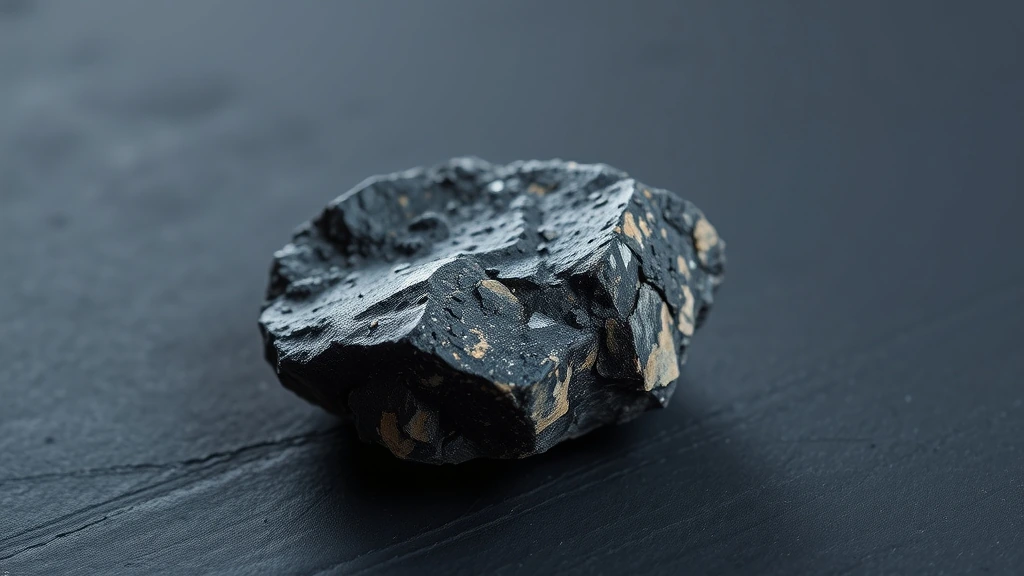
Lizardite belongs to the serpentine subgroup of the natural mineral / crystal family and is classified as a Trigonal silicate. It forms in low‑temperature metamorphic settings, typically within ultramafic rocks that have undergone hydrothermal alteration. Its fine‑grained aggregates are prized for their soothing color palette and subtle translucency, which appeal to both collectors and metaphysical practitioners.
What is Lizardite Gemstone? Geological Overview & Definition
Lizardite is the most common member of the serpentine group, occurring as fibrous or massive aggregates in serpentinized peridotite and dunite. The mineral’s characteristic sheet‑like structure results from linked silicate tetrahedra and hydroxyl‑bearing layers, giving it a silky luster and a smooth feel.
In gemological contexts, lizardite is cut into cabochons or beads, where its softness (2.5 Mohs) demands careful handling. Its color range—from pale apple‑green to buttery yellow—originates from trace iron and nickel that act as chromophore centers, while its translucency enhances its appeal in low‑impact jewelry.
Lizardite Gemstone Chemical Composition & Crystallographic Properties
The definitive chemical formula Mg₃Si₂O₅(OH)₄ reflects a magnesium‑dominant silicate with structural hydroxyl groups. Lizardite crystallizes in the Trigonal system, typically in space group P3̅m1, forming elongated, platy crystals that stack parallel to the c‑axis.
Its lattice accommodates limited cation substitution, allowing small amounts of Fe²⁺, Ni²⁺, or Al³⁺ to replace Mg²⁺ without disrupting the overall structure. Such substitutions subtly shift the refractive index (1.560‑1.580) and impart the stone’s characteristic greenish tint.
Lizardite is acid‑sensitive; exposure to dilute hydrochloric acid can dissolve surface hydroxyl layers, producing a faint effervescence. This reaction underscores the importance of protecting the gemstone from harsh cleaning agents.
Thermally, lizardite remains stable up to ~600 °C, beyond which dehydroxylation occurs, converting it to enstatite and releasing water vapor. This transformation is irreversible and explains why high‑temperature treatments are unsuitable for preserving its gem‑quality appearance.
| Property | Specification |
|---|---|
| Mineral Group | Natural Mineral / Crystal |
| Chemical Formula | Mg₃Si₂O₅(OH)₄ |
| Mohs Hardness | 2.5 |
| Crystal System | Trigonal |
| Specific Gravity (Density) | 2.55 |
| Refractive Index | 1.560 – 1.580 |
| Color & Optical Properties | Natural Lizardite Gemstone color spectrum and optical dispersion |
| Primary Mining Localities | Global primary localities |
| Water & Chemical Resistance | High (Safe for gentle water washing) |
| Chakra Alignment (Traditional) | Heart Chakra, Sacral Chakra |
| Zodiac Affinity (Traditional) | Cancer, Pisces |
| Symbolic Meaning (Traditional) | Emotional balance, nurturing, and grounding |
Lizardite Gemstone Varieties & Color Spectrum
Green Serpentine Lizardite
Formed in low‑grade metamorphic schists where magnesium‑rich serpentinite intrudes, this variety displays a vivid apple‑green hue caused by trace Fe³⁺. Fine‑grained fibrous inclusions give a silky sheen that distinguishes it from coarser serpentine. Found chiefly in Madagascar and Sri Lanka, it is moderately rare and prized for its uniform color.
Yellow‑Olive Lizardite (Kyanite‑Streak)
Developing in hydrothermal veins within ultramafic ophiolites, the yellow‑olive morph acquires its tint from minute chromium and nickel impurities. A subtle streak of kyanite can appear under polarized light, creating a delicate contrast. This variety is most abundant in the Philippines and the Ural Mountains, yet high‑quality stones remain scarce.
Pale Cream Lizardite (Mica‑Sheen)
Occurring in weathered serpentinite breccias, the pale cream form exhibits a soft ivory tone with a faint mica‑like luster on polished surfaces. Microscopic calcite veining often threads through the matrix, adding a gentle sparkle. Primary sources include Brazil’s Minas Gerais region and the western United States, where it is considered a collector’s specialty due to its delicate appearance.
Deep Teal Lizardite (Oceanic)
Deep teal stones develop in subduction‑zone metamorphic complexes where high pressure stabilizes the trigonal lattice. The color results from a combination of cobalt and vanadium trace elements, producing a striking oceanic hue. Rare finds from New Caledonia and Japan command premium prices, especially when the stone shows minimal surface weathering.
Black‑Speckled Lizardite (Carbonaceous)
Formed in carbon‑rich serpentinite lenses, this variety is characterized by a dark green base mottled with graphite speckles that give a dramatic contrast. The speckles are often visible only under magnification, adding intrigue for mineralogical study. Limited deposits in Canada’s Ontario shield region make this a highly sought‑after specimen for both gem and scientific markets.
Where is Lizardite Gemstone Found? Geological Mining & Extraction
Lizardite occurs chiefly in ultramafic serpentinite belts, where mantle‑derived peridotite has been altered by hydrothermal fluids. It is typically hosted in low‑grade metamorphic schists, brecciated serpentinite, and occasionally in pegmatitic pockets that concentrate magnesium and silica.
Major extraction zones include the Madagascar‑Seychelles block, the Philippine archipelago, and the Ural‑Kola metallogenic province. Small‑scale artisanal mining dominates these regions, with ore processed by hand‑sorting and gentle crushing to preserve the stone’s delicate lamellar structure.
Historical Significance & Cultural Lore of Lizardite Gemstone
Ancient Mesopotamian tablets reference lizardite‑like green stones used in amulets for fertility, while Egyptian tombs have yielded polished beads suggesting a role in after‑life rituals. In Classical Greece, the mineral was called “serpentinus” and employed in mosaics to evoke the sea’s vitality.
Turkish folklore describes lizardite as a heart‑chakra healer, believed to nurture emotional balance and grounding for those born under Cancer or Pisces. Contemporary crystal practitioners still cite its esoteric properties, linking the stone’s soothing hue to the nurturing energies of the Heart Chakra.
Modern Uses & Jewelry Applications of Lizardite Gemstone
Due to its low hardness and soft texture, lizardite is primarily valued for ornamental carving rather than high-end faceting. Lapidaries typically shape it into smooth cabochons or intricate sculptural pieces that highlight its delicate, earthy tones. This mineral is rarely set in rings due to its susceptibility to abrasion and physical damage.
- Ornamental Carvings: Ideal for creating small figurines, beads, and decorative inlays.
- Cabochon Settings: Best suited for pendants or brooches with protective bezel settings.
- Lapidary Cutting: Requires gentle polishing techniques to avoid chipping the soft trigonal crystal structure.
Safety & Mineral Profile of Lizardite
Safe handling and physical stability
Lizardite is a member of the serpentine group and is typically found in low‑grade metamorphic rocks. The mineral is relatively soft (Mohs 2–3) and can be easily scratched or damaged by abrasion, so it is usually displayed rather than fashioned into jewelry. While it does not contain significant amounts of heavy metals, fine dust generated during cutting or polishing can pose an inhalation hazard; dust control and proper ventilation are recommended. Lizardite is stable in neutral to slightly alkaline environments but can react with strong acids, producing soluble silicates. Because of its softness and potential for surface weathering, collectors should handle specimens with gloves and avoid prolonged exposure to moisture or acidic cleaners.
Scientific, educational, and mineralogical significance
Lizardite serves as an important indicator of low‑temperature metamorphic processes and fluid‑rock interactions in serpentinized ultramafic terrains. Its distinct fibrous crystal habit and characteristic greenish‑blue color make it a valuable teaching specimen for illustrating crystal morphology, twinning, and the serpentine group’s structural relationships. In research, lizardite is studied for its role in the formation of serpentine‑rich deposits, its potential for hydrogen storage, and its contribution to the geochemical cycling of sulfur and iron in metamorphic environments.
Mineralogical Group and Planetary Lore of Lizardite
Historically, lizardite was first described in the early 19th century from serpentinite outcrops in the United Kingdom. Early mineralogists noted its resemblance to the mineral “lizard’s scale” due to its fibrous, scale‑like aggregates, which led to its common name. According to early mineralogists, lizardite was classified within the serpentine group alongside antigorite and chrysotile, distinguished by its lower symmetry and specific optical properties. In lapidary texts, lizardite has occasionally been referenced as a “green serpent” and, though not widely used in jewelry, it has been appreciated for its aesthetic appeal in decorative carvings. While no planetary symbolism is firmly established, the mineral’s association with serpentine metamorphism has occasionally been linked metaphorically to the “green” hues of Mars’ surface in speculative geological literature.
How to Identify Real vs. Fake Lizardite Gemstone
Because lizardite is relatively rare in the gem market, it is frequently imitated by synthetic glass or dyed varieties of other soft minerals. These replicas often mimic the stone’s pale green or white hues but lack its natural mineral integrity. Understanding these common fakes is essential for collectors and enthusiasts.
Practical At-Home Authenticity Tests
- Temperature Test (Thermal Feel): Genuine lizardite feels cool to the touch initially and warms up slowly due to its low thermal conductivity. Glass imitations often warm up much faster or feel uniformly room temperature immediately.
- Specific Gravity & Weight Test: With a density of 2.55 g/cm³, real lizardite feels lighter than many dense glass substitutes. Compare its weight against a similarly sized piece of known material to detect discrepancies.
- Scratch & Hardness Test (Mohs Comparison): Lizardite has a Mohs hardness of 2.5, meaning it can be easily scratched by a copper coin or a fingernail. If the stone resists scratching from these soft materials, it is likely a harder imitation.
- Microscopic & Loupe Inspection (Internal Inclusions): Use a 10x loupe to examine the stone for natural inclusions or crystal fractures. Synthetic glass often contains tiny air bubbles or swirls that are not found in natural lizardite samples.
Lizardite Gemstone Valuation Factors, Grading & Pricing
Color Saturation is the primary driver of value, with deep, uniform green tones commanding higher prices. Gemologists assess tone consistency across the entire specimen to ensure visual harmony. High optical clarity and a distinct waxy luster further enhance the stone’s aesthetic appeal.
Carat Weight influences pricing, though large specimens are rare due to the mineral’s fragile nature. Facet symmetry is critical for cut pieces, as poor alignment reduces light return. The presence of matrix or inclusions can either detract from value or add unique geological character.
Geographical Provenance Premium often elevates prices for stones from renowned localities like the United States. Wholesale markets typically trade lizardite at modest rates, reflecting its low Mohs Hardness of 2.5. Retail values increase significantly when stones are certified or presented in high-quality settings.
How to Clean and Care for Lizardite Gemstone
Use warm soapy water and a soft cloth to gently remove surface dust and oils. This method effectively cleans the stone without risking damage to its delicate structure. Always dry the gemstone thoroughly with a lint-free towel after washing.
Avoid ultrasonic cleaners entirely, as the vibrations can cause structural fractures in this soft mineral. Steam cleaning is also prohibited due to the risk of thermal shock and hydration changes. Store lizardite separately from harder gems to prevent scratches and abrasion.
Cleansing and Recharging Lizardite Gemstone (Energetic Care)
For energetic maintenance, use smoke smudging with sage or palo santo to clear stagnant energy. This dry method avoids any contact with water, preserving the mineral’s integrity. Allow the smoke to pass gently over the stone for a few minutes.
Place the lizardite on a selenite plate under full moonlight for overnight recharging. This combination leverages the cleansing properties of selenite and lunar energy safely. Ensure the stone is dry before and after this process to maintain its stability.
Frequently Asked Questions About Lizardite Gemstone
Is lizardite safe to wear in the shower?
Lizardite is water-sensitive, so avoid prolonged soaking in shower water. The mineral’s layered structure can weaken when exposed to moisture for extended periods. Always remove your jewelry before bathing to preserve its integrity. This precaution prevents potential structural degradation over time.
Can I clean lizardite in an ultrasonic cleaner?
No, you must avoid ultrasonic cleaners to prevent structural fractures. The vibrations can damage the soft, layered crystal lattice of this mineral. Instead, use warm soapy water and a soft cloth for gentle cleaning. This method ensures the stone remains intact and visually appealing.
What is the chemical formula of lizardite?
The chemical formula is Mg₃Si₂O₅(OH)₄. This composition identifies it as a magnesium-rich member of the serpentine group. Understanding this formula helps in identifying its mineralogical properties. It confirms the presence of magnesium and silicon in its structure.
How hard is lizardite on the Mohs scale?
Lizardite has a Mohs hardness of 2.5. This low rating indicates it is quite soft and prone to scratching. You should store it separately from harder gemstones to avoid damage. Its softness requires careful handling during daily wear.
Which zodiac signs are aligned with lizardite?
Lizardite is primarily aligned with Cancer and Pisces. These water signs resonate with the stone’s nurturing and emotional energies. Wearing it may enhance their natural empathetic qualities. This connection supports emotional balance and sensitivity.
Which chakras does lizardite correspond to?
It corresponds to the Heart Chakra and Sacral Chakra. These energy centers relate to love, compassion, and creative expression. The stone helps balance these specific areas of the body. This alignment promotes nurturing and grounding effects.
What is the crystal system of lizardite?
Lizardite crystallizes in the Trigonal system. This structure influences its physical appearance and cleavage patterns. Recognizing this system aids in accurate mineral identification. It distinguishes lizardite from other similar-looking serpentine minerals.
What is the refractive index of lizardite?
Its refractive index ranges from 1.560 to 1.580. This optical property determines how light travels through the stone. It contributes to the gem’s subtle luster and visual appeal. Gemologists use this value for precise identification.