
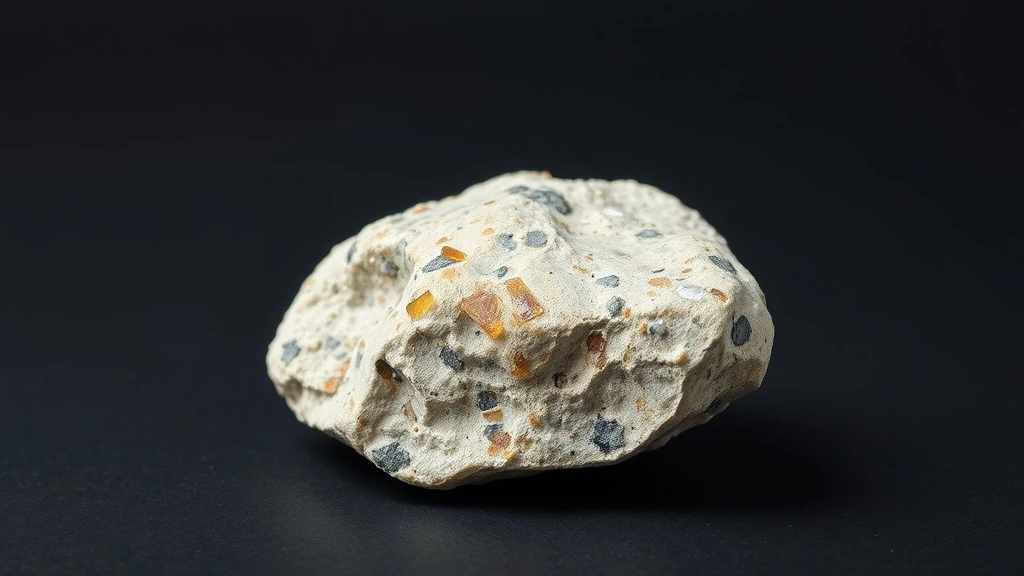
Oligoclase belongs to the plagioclase series of the feldspar group, the most abundant mineral family in the Earth’s crust. As a natural mineral/crystal, it forms in igneous and metamorphic rocks where slow cooling allows well‑developed triclinic crystals to grow. Its occurrence is common in granites, syenites, and high‑grade metamorphic schists, where it records the pressure‑temperature history of the host rock.
What is Oligoclase Gemstone? Geological Overview & Definition
Oligoclase is a triclinic feldspar that bridges the albite‑anorthite compositional gap, containing both sodium and potassium in its lattice. It crystallizes as tabular or prismatic grains, often exhibiting subtle striations and a characteristic “tartan” twinning pattern visible under polarized light.
In gemstone form, oligoclase is prized for its translucent to transparent appearance and delicate pastel colors, which can be enhanced by heat treatment. While not as hard as quartz, its modest durability (6–6.5 Mohs) allows it to be set in pendants, earrings, and low‑impact rings, especially when protected from scratches.
Oligoclase Gemstone Chemical Composition & Crystallographic Properties
The mineral’s triclinic crystal system yields three unequal axes intersecting at oblique angles, producing a low‑symmetry lattice that influences its optical birefringence. Its structure consists of a framework of SiO₄ tetrahedra linked by Al³⁺, with Na⁺ and K⁺ occupying interstitial sites in variable proportions (Na₀.₀₅‑₀.₃₅K₀.₆₅‑₀.₉₅).
Cation substitution between sodium and potassium creates a solid‑solution series, allowing gradual shifts in color and refractive indices (nα = 1.533‑1.543, nβ = 1.537‑1.548, nγ = 1.542‑1.552). This flexibility also accounts for the mineral’s density range of 2.64‑2.66 g cm⁻³.
Oligoclase is acid‑sensitive; exposure to strong acids can leach alkali cations, leading to surface etching and loss of luster. Its chromophore centers are typically trace Fe²⁺/Fe³⁺ ions, which absorb specific wavelengths and produce the stone’s characteristic pale greens and pinks.
Thermally, oligoclase exhibits exsolution on slow cooling, forming perthitic intergrowths of albite and orthoclase that can affect its cleavage and fracture patterns. Heating above ~600 °C may induce a reversible color change, a property sometimes exploited in gemstone enhancement.
| Property | Specification |
|---|---|
| Mineral Group | Natural Mineral / Crystal |
| Chemical Formula | Na₀.₀₅₋₀.₃₅K₀.₆₅₋₀.₉₅AlSi₃O₈ |
| Mohs Hardness | 6 to 6.5 |
| Crystal System | Triclinic |
| Specific Gravity (Density) | 2.64 to 2.66 |
| Refractive Index | nα = 1.533–1.543; nβ = 1.537–1.548; nγ = 1.542–1.552 |
| Color & Optical Properties | Natural Oligoclase Gemstone color spectrum and optical dispersion |
| Primary Mining Localities | Global primary localities |
| Water & Chemical Resistance | High (Safe for gentle water washing) |
| Chakra Alignment (Traditional) | Root Chakra, Sacral Chakra |
| Zodiac Affinity (Traditional) | Taurus, Virgo, Capricorn |
| Symbolic Meaning (Traditional) | Grounding, stability, and practical wisdom |
Oligoclase Gemstone Varieties & Color Spectrum
Sunlit Albite
Formed in high‑temperature granitic pegmatites, Sunlit Albite displays a translucent to milky white body with a faint blue‑white sheen that intensifies under daylight. Microscopic fluid inclusions often appear as tiny bubbles, giving the stone a subtle sparkle. This variety is most common in the Ilmen Mountains of Russia, yet its near‑colorless appearance makes it less prized than more vivid forms.
Golden Heliotrope
Golden Heliotrope originates in alkaline volcanic tuffs where trace iron oxides impart a warm golden‑yellow to amber hue. The stone frequently exhibits parallel lamellar twinning, visible as faint striations that catch light at certain angles. Found primarily in the Ural Mountains and the Adirondack region of the USA, its rich color and moderate rarity command premium prices among collectors.
Lavender Frost
Developed within metamorphosed limestone skarns, Lavender Frost is distinguished by a delicate lavender‑purple translucency caused by minute amounts of manganese. The crystal habit is often tabular, and the surface may show minute feather‑like inclusions that enhance its ethereal glow. This variety is endemic to the Sierra de los Cuchumatanes in Guatemala, where limited deposits make each gem a coveted specimen.
Midnight Charcoal
Midnight Charcoal forms in deep‑seated granitic bodies where carbonaceous fluids introduce a darkening agent, yielding a deep charcoal‑gray to black appearance with occasional metallic flashes. Its internal structure often contains exsolution lamellae of albite, visible under magnification as thin, bright lines. The most notable sources are the Kola Peninsula of Russia, where the stones are rare and highly sought after for their dramatic contrast.
Oceanic Azure
Oceanic Azure is a hydrothermal vein product, where trace copper and titanium create a vivid sky‑blue to turquoise coloration. The gemstone typically exhibits a prismatic habit with well‑developed cleavage planes that can produce a striking play of light. Significant finds come from the Mongolian Gobi Desert, where the combination of color intensity and limited occurrence elevates its market value.
Emerald‑Sheen Oligoclase
Emerald‑Sheen Oligoclase develops in late‑stage pegmatitic fluids enriched with chromium, giving it a greenish‑emerald hue with a subtle silky luster. The stone often contains thin, parallel growth bands that catch light like a sheen, reminiscent of true emeralds but with lower hardness. This variety is primarily mined in the Mendoza Province of Argentina, where its rarity and unique hue attract both gemologists and jewelry designers.
Where is Oligoclase Gemstone Found? Geological Mining & Extraction
Oligoclase occurs chiefly in alkaline granitic pegmatites, skarn zones, and hydrothermal veins where sodium‑rich fluids interact with aluminosilicate minerals. In these environments, the mineral crystallizes as tabular or prismatic grains, often intergrown with albite, microcline, and feldspar‑rich assemblages, making separation a delicate process that relies on gravity‑based jigging and froth flotation.
The most prolific mining districts include the Ural Mountains (Russia), Adirondack Highlands (USA), Mendoza (Argentina), Sierra de los Cuchumatanes (Guatemala), and the Gobi Desert (Mongolia). In each region, small‑scale artisanal miners extract the ore from open pits or underground adits, followed by hand‑sorting to isolate the translucent crystals before they are sent to cutting workshops for gem‑quality selection.
Historical Significance & Cultural Lore of Oligoclase Gemstone
Ancient Mesopotamian and Egyptian texts reference a “clear stone of the sky,” now identified as oligoclase, used in amulets to invoke protective grounding. Archaeological sites in Ur and Thebes have yielded polished oligoclase beads, suggesting the mineral’s role in trade networks linking the Fertile Crescent to the Mediterranean.
In classical Greece, oligoclase was prized for its subtle refractive play, incorporated into oracle tablets and healing talismans for the Root and Sacral Chakras. Medieval European alchemists associated the stone with practical wisdom, believing it could stabilize volatile energies and enhance the wearer’s connection to the earth. Its enduring lore of grounding and stability continues to inspire modern metaphysical practices.
Modern Uses & Jewelry Applications of Oligoclase Gemstone
Oligoclase is prized for its subtle play of color and moderate hardness, making it suitable for both cabochon and faceted settings. Lapidary artisans often cut the stone into smooth domes that showcase its milky translucence, while skilled faceters can bring out a faint pleochroic shimmer. In addition to rings and pendants, the mineral is carved into ornamental beads, intaglios, and small sculpture pieces for decorative displays.
- Cabochon pendants highlighting the stone’s soft glow
- Faceted earrings that emphasize its refractive index range
- Carved cameos and intaglios for vintage‑style jewelry
- Decorative beads for beaded bracelets or necklaces
Metaphysical Properties & Traditional Meaning of Oligoclase Gemstone
According to historical traditions and metaphysical lore, oligoclase is associated with grounding energy that stabilizes the wearer’s physical and emotional foundation. It is believed to foster practical wisdom, encouraging clear decision‑making and a calm, steady demeanor during stressful situations. The stone’s subtle hues are thought to resonate with inner balance, promoting confidence without overwhelming the aura.
Which Chakra and Zodiac Signs Align with Oligoclase Gemstone?
Oligoclase is directly linked to the Root Chakra, the energy center that anchors us to the earth and supports survival instincts. When this chakra is balanced, individuals often feel more secure, resilient, and capable of handling daily challenges.
The gemstone also vibrates in harmony with the Sacral Chakra, enhancing creativity, sensuality, and emotional flow. Its influence is said to nurture a healthy relationship with pleasure and personal expression, fostering a stable yet dynamic inner life.
Astrologically, oligoclase aligns exclusively with the earth signs Taurus, Virgo, and Capricorn. These signs value practicality, perseverance, and grounded ambition, mirroring the stone’s reputed ability to reinforce stability and pragmatic insight.
How to Identify Real vs. Fake Oligoclase Gemstone
Artificial imitations of oligoclase include colored glass, resin, and dyed quartz that mimic its milky appearance but lack the mineral’s distinctive optical properties. Synthetic versions may be produced under high pressure, yet they often display uniform clarity and a different refractive index. Recognizing these substitutes requires careful observation of weight, feel, and internal features that genuine oligoclase naturally exhibits.
Practical At-Home Authenticity Tests
- Temperature Test (Thermal Feel): Hold the stone against the skin; genuine oligoclase feels cool initially and warms slowly, whereas glass or plastic warms quickly.
- Specific Gravity & Weight Test: Weigh the stone and compare its density (2.64–2.66 g/cm³) to known values; fakes often feel lighter or heavier due to differing material composition.
- Scratch & Hardness Test (Mohs Comparison): Gently scratch the surface with a steel file (hardness ~6.5). Oligoclase will resist minor scratches, while glass (≈5.5) will show visible marks.
- Microscopic & Loupe Inspection (Internal Inclusions): Examine under 10×–30× magnification; natural oligoclase displays characteristic microscopic inclusions and striations, whereas synthetic glass appears uniformly clear.
Oligoclase Gemstone Valuation Factors, Grading & Pricing
Color Saturation is the foremost driver of price. Deep, vivid hues—especially the prized blue‑green or golden‑yellow—command premium rates, while pastel tones are less valuable. Uniform tone across the stone enhances visual impact, and a high‑luster, glassy surface further boosts market appeal.
Carat Weight influences value but only when paired with excellent cut quality. Larger stones (over 2 ct) are rarer and fetch higher prices, yet uneven facet symmetry can diminish brilliance and reduce price. Minimal matrix or inclusions that are invisible to the naked eye are essential for top‑tier grading.
Geographical Provenance Premium adds a notable surcharge for stones from classic locales such as the Himalayas or the Alps, where crystal quality is historically superior. Wholesale prices typically range from $30–$70 per carat, while retail listings can reach $120–$200 per carat for premium, provenance‑verified specimens.
How to Clean and Care for Oligoclase Gemstone
Use warm soapy water and a soft cloth to gently remove surface dirt. Rinse the stone with lukewarm water, then pat dry with a lint‑free towel. Avoid ultrasonic cleaners, as the rapid vibrations can cause micro‑fractures in the triclinic lattice.
Cleansing and Recharging Oligoclase Gemstone (Energetic Care)
For energetic renewal, hold the stone over a smudge of white sage or cedar, allowing the gentle smoke to clear stagnant energies without exposing the mineral to moisture. This dry method respects oligoclase’s low solubility and preserves its structural integrity.
Alternatively, place the gem on a selenite charging plate or under a full moon night for several hours. Both approaches infuse the stone with subtle vibrational uplift, reinforcing its grounding and stability properties while keeping it safe from water‑based damage.
Frequently Asked Questions About Oligoclase Gemstone
Is oligoclase safe to wear in water or rain?
Yes, oligoclase tolerates gentle water exposure. The mineral’s high water resistance means it can be rinsed with lukewarm water or worn in light rain without damage, but prolonged soaking or harsh detergents should be avoided to preserve its surface luster and structural integrity.
Can I clean oligoclase with an ultrasonic cleaner?
No, ultrasonic cleaning is not recommended for oligoclase. Use warm, soapy water and a soft cloth to remove dirt; ultrasonic vibrations can create micro‑fractures in the triclinic crystal lattice, compromising durability and potentially causing visible cracks over time.
What is the typical hardness of oligoclase on the Mohs scale?
Oligoclase rates between 6 and 6.5 on the Mohs scale. This moderate hardness allows it to be set in jewelry but requires care to avoid scratches from harder gemstones or abrasive cleaning pads, especially on edges where the crystal may be more vulnerable.
Which zodiac signs are associated with oligoclase?
Taurus, Virgo, and Capricorn are the aligned zodiac signs. These earth‑signs are said to resonate with oligoclase’s grounding energy, enhancing practical wisdom and stability for individuals born under these constellations who seek a stone that supports disciplined ambition.
Which chakras does oligoclase balance?
Root Chakra and Sacral Chakra are the primary alignments. When placed on the base or lower abdomen, oligoclase is believed to reinforce grounding and creative flow, helping the wearer feel more secure while fostering emotional vitality and personal motivation.
How dense is oligoclase compared to other feldspars?
Its density ranges from 2.64 to 2.66 g/cm³. This places oligoclase slightly lighter than many orthoclase varieties, reflecting its sodium‑rich composition (Na₀.₀₅‑₀.₃₅K₀.₆₅‑₀.₉₅AlSi₃O₈) and contributing to a subtle feel in the hand.
What are the key optical properties I should look for?
Oligoclase exhibits a refractive index of nα = 1.533‑1.543, nβ = 1.537‑1.548, nγ = 1.542‑1.552. These biaxial values produce a gentle pleochroism from colorless to pale yellow or green, allowing gem cutters to highlight the stone’s natural play of light.
Is oligoclase suitable for everyday jewelry?
Yes, with proper care it can be used in daily wear. Its 6‑6.5 hardness and moderate density make it durable enough for rings or pendants, provided the piece is protected from hard impacts and cleaned using the recommended warm, soapy water method.