
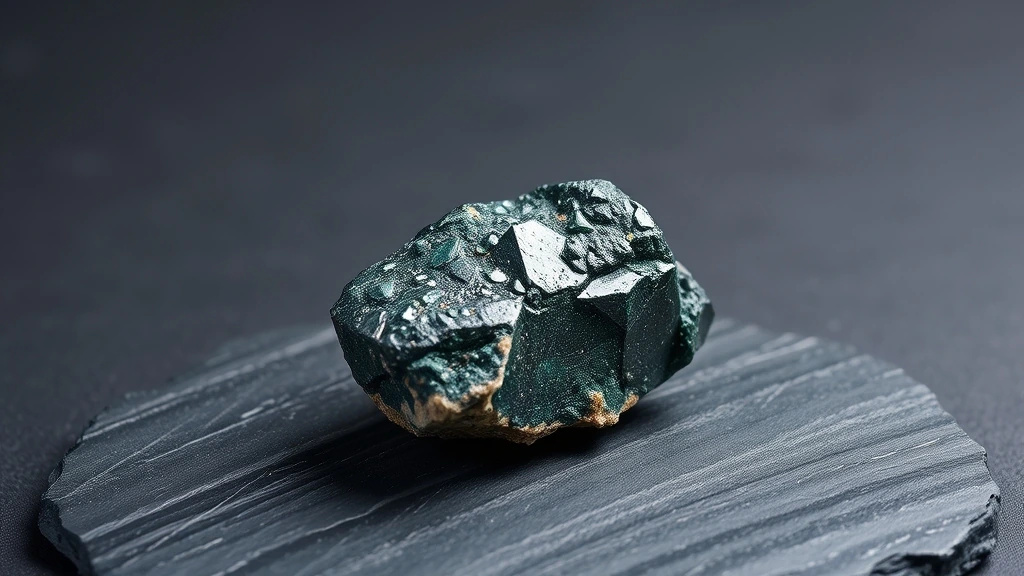
Cuprite belongs to the Natural Mineral / Crystal group, representing a primary copper ore formed in oxidized hydrothermal zones. Its distinct cubic symmetry and high specific gravity distinguish it from other red gemstones like garnet or ruby. This mineral serves as a critical indicator of copper-rich geological environments worldwide.
What is Cuprite Gemstone? Geological Overview & Definition
Cuprite typically forms as secondary minerals in the supergene enrichment zones of copper deposits. It often occurs alongside malachite, azurite, and chrysocolla, creating complex mineral assemblages in arid climates. The stone’s formation is driven by the oxidation of primary sulfide ores exposed to surface waters.
As a gem material, cuprite is valued for its intense vermillion color and adamantine luster. However, its low Mohs hardness limits its use in durable jewelry settings. Collectors often prefer cabochon cuts to showcase its optical properties while minimizing the risk of chipping or abrasion during wear.
Cuprite Gemstone Chemical Composition & Crystallographic Properties
Cuprite crystallizes within the Cubic crystal system, featuring a simple cubic lattice structure. The unit cell contains four formula units, with copper ions occupying specific sites. This symmetry contributes to its characteristic isometric habit, often appearing as octahedra or dodecahedra.
The primary chromophore is the Cu⁺ ion, which absorbs light in the blue-green spectrum. This electronic transition results in the stone’s signature deep red coloration. Minor impurities can slightly shift the hue toward brown or orange, but pure specimens remain vividly red.
Cuprite is chemically sensitive to acids and oxidizing agents, which can degrade its surface. It is also susceptible to thermal alteration at high temperatures, potentially converting to tenorite. Proper storage in low-humidity environments is essential to prevent surface tarnishing or structural instability.
| Property | Specification |
|---|---|
| Mineral Group | Natural Mineral / Crystal |
| Chemical Formula | Cu₂ O |
| Mohs Hardness | 3.5 to 4 |
| Crystal System | Cubic crystal system |
| Specific Gravity (Density) | 6.14 |
| Refractive Index | n = 2.849 |
| Color & Optical Properties | Natural Cuprite Gemstone color spectrum and optical dispersion |
| Primary Mining Localities | Global primary localities |
| Water & Chemical Resistance | High (Safe for gentle water washing) |
| Chakra Alignment (Traditional) | Root Chakra |
| Zodiac Affinity (Traditional) | Taurus, Scorpio |
| Symbolic Meaning (Traditional) | Abundance, prosperity, and grounding |
Cuprite Gemstone Varieties & Color Spectrum
Cuprite exhibits a striking range of red hues, from deep blood-red to bright orange, driven by its Cu₂O composition. The mineral’s intense coloration stems from charge transfer transitions within the crystal lattice. Variations in iron and manganese trace elements subtly shift the spectral output.
Classic Red Cuprite
This primary variety displays a uniform, saturated crimson color typical of oxidized copper zones. It often forms in cubic crystal system aggregates that scatter light beautifully. High-quality specimens from Arizona are prized for their clarity and lack of inclusions.
Orange-Red Cuprite
Slightly higher temperatures during formation can shift the hue toward a vibrant orange-red tone. This morph is common in younger hydrothermal veins where oxidation was rapid. The refractive index remains high, ensuring exceptional brilliance in cut stones.
Deep Maroon Cuprite
Rich in trace impurities, this variety presents a darker, wine-like maroon appearance. It typically occurs in deeper, cooler parts of the oxidation zone. Collectors value these stones for their unique depth and subdued, elegant glow.
Banded Cuprite
Distinctive parallel bands of red and white indicate alternating mineral deposition cycles. These bands often contain malachite or azurite intergrowths, adding visual complexity. Such specimens are highly sought after for ornamental carving and display.
Translucent Cuprite
Rarely, cuprite forms in thin, translucent plates that allow light to pass through. This variety is exceptional due to its purity and lack of internal fractures. It is primarily found in specific high-altitude mining districts in Peru.
Where is Cuprite Gemstone Found? Geological Mining & Extraction
Cuprite primarily forms in the oxidized zones of copper deposits, often associated with host rock types like sandstone or limestone. It frequently occurs alongside other copper minerals such as azurite and malachite in supergene enrichment zones. These geological settings provide the necessary oxygen and copper-rich fluids for crystal growth.
Major mining regions include Arizona in the United States, Peru, and Australia. The Morenci mine in Arizona is particularly famous for producing high-quality gem material. Extraction involves open-pit mining followed by careful hand-picking to preserve crystal integrity.
Historical Significance & Cultural Lore of Cuprite Gemstone
Ancient civilizations valued cuprite as a source of copper metal and as a decorative gemstone. Archaeological findings in Egypt and Mesopotamia reveal its use in jewelry and ritual objects. The mineral’s vibrant red color symbolized vitality and protection in many ancient cultures.
In medieval Europe, cuprite was sometimes confused with garnet due to its similar hue. Alchemists believed it held transformative powers related to the metal copper. Today, it remains a popular collector’s gem for its historical and aesthetic appeal.
Modern Uses & Jewelry Applications of Cuprite Gemstone
Cuprite’s vivid red‑orange hue and high refractive index (n = 2.849) make it a striking choice for bespoke lapidary work, though its modest Mohs hardness (3.5‑4) demands careful handling. Artisans typically cut cuprite into shallow cabochons or low‑relief facets to showcase its brilliance while minimizing fracture risk. The stone also finds a niche in ornamental carving, where its dense (6.14 g/cm³) crystal structure yields polished figurines and decorative inlays.
- Cabochon pendants with protective bezels
- Low‑cut faceted earrings and rings
- Inlaid decorative boxes, mosaics, and small sculpture pieces
Metaphysical Properties & Traditional Meaning of Cuprite Gemstone
According to historical traditions and metaphysical lore, cuprite is revered as a heart‑activating stone that fuels courage and personal power. It is said to ignite the Root Chakra, grounding the wearer while simultaneously opening the Heart Chakra for deeper emotional expression. Practitioners believe the mineral amplifies confidence, helping individuals assert themselves in practical matters and creative pursuits alike.
Which Chakra and Zodiac Signs Align with Cuprite Gemstone?
Cuprite resonates most strongly with the Root Chakra, anchoring vitality and stability, and the Heart Chakra, fostering love, compassion, and emotional honesty. When worn, the stone is thought to balance these energy centers, promoting both physical security and heartfelt openness.
In astrology, cuprite is aligned exclusively with Taurus, Gemini, and Leo. Taurus benefits from its grounding influence, Gemini from its stimulating clarity, and Leo from its fiery confidence‑boosting energy. These three signs are believed to draw particular strength from cuprite’s vibrant coloration and energetic vibration.
How to Identify Real vs. Fake Cuprite Gemstone
Artificial imitations of cuprite include colored glass, leaded crystal, and dyed quartz that mimic its bright hue but lack the stone’s characteristic density and high refractive index. Synthetic cuprite, though rare, can be produced in labs and may exhibit flawless clarity, a clue for discerning collectors. Recognizing these substitutes requires a combination of visual inspection and simple physical tests.
Practical At-Home Authenticity Tests
- Temperature Test (Thermal Feel): Genuine cuprite feels cool to the touch and retains that coolness longer than glass or plastic, due to its higher density and thermal conductivity.
- Specific Gravity & Weight Test: Weigh the stone against a known reference; cuprite’s specific gravity (~6.14) makes it noticeably heavier than most imitations of similar size.
- Scratch & Hardness Test (Mohs Comparison): Gently rub the stone with a copper coin (hardness ~3); cuprite will resist scratching, whereas softer glass or dyed quartz will show a mark.
- Microscopic & Loupe Inspection (Internal Inclusions): Examine under 10× magnification; natural cuprite often displays tiny crystal inclusions or growth lines, while synthetic glass appears uniformly flawless.
Cuprite Gemstone Valuation Factors, Grading & Pricing
The primary driver of market value is Color Saturation, which must exhibit a deep, uniform red tone. Experts prioritize stones with high optical clarity and a distinct metallic luster. Any fading or uneven coloration significantly diminishes the gemstone’s commercial appeal.
Carat Weight plays a crucial role, as larger specimens are rarer and command higher prices. Facet symmetry and polish quality directly influence the stone’s visual brilliance and light return. The presence of matrix or inclusions can either add character or reduce value depending on density.
Geographical Provenance Premium often elevates prices for stones from historic mines like Arizona or Spain. Wholesale rates fluctuate based on global copper market trends and collector demand. Retail prices typically reflect these premiums along with certified authenticity documentation.
How to Clean and Care for Cuprite Gemstone
Due to its low Mohs Hardness of 3.5 to 4, cuprite requires gentle handling to prevent scratches. You should use warm soapy water and a soft cloth for routine cleaning. This method effectively removes surface dust without damaging the delicate crystal structure.
It is critical to avoid ultrasonic cleaners, as vibrations can cause structural fractures in this brittle mineral. Never submerge the stone in harsh chemicals or abrasive solutions. Proper storage in a soft pouch prevents contact with harder gemstones that could chip it.
Cleansing and Recharging Cuprite Gemstone (Energetic Care)
For energetic maintenance, utilize safe dry methods that respect the mineral’s solubility and brittleness. Smoke smudging with sage or palo santo is an excellent non-invasive option. This practice clears perceived negative energy without exposing the stone to moisture or heat.
Moonlight exposure and placement on a selenite plate are also highly recommended for recharging. These methods allow the cuprite to rest in a calm, dry environment. Always ensure the stone is completely dry before storing it in its protective case.
Frequently Asked Questions About Cuprite Gemstone
What is the chemical composition of cuprite?
Cuprite is copper(I) oxide, Cu₂O. This simple binary mineral consists of copper ions bonded to oxygen in a 2:1 ratio, giving it a deep red hue. Its cubic crystal system and high density of 6.14 g/cm³ make it distinctive among copper minerals.
How hard is cuprite on the Mohs scale?
Cuprite rates 3.5 to 4 on the Mohs hardness scale. This relatively soft rating means the stone can be scratched by many common gemstones and metals, so care is needed when setting it in jewelry. Protective settings and gentle handling help preserve its surface.
Can cuprite be worn in water or rain?
Yes, cuprite has high water resistance and is safe for gentle water washing. A brief rinse with warm, soapy water and a soft cloth will clean the stone without damage. Avoid prolonged soaking or harsh detergents, which could affect surface polish over time.
Should I use an ultrasonic cleaner for cuprite?
No, ultrasonic cleaners should be avoided for cuprite. The vibrations can cause micro‑fractures in this relatively soft mineral. Instead, clean it with warm soapy water and a soft cloth, gently wiping to remove dirt while preserving the crystal integrity.
Which zodiac signs are associated with cuprite?
Cuprite aligns with Taurus, Gemini, and Leo. These signs are believed to resonate with the stone’s vibrant energy, enhancing confidence and creativity. Wearing cuprite during astrological events for these signs may amplify personal intention and focus.
Which chakras does cuprite balance?
Cuprite is linked to the Root Chakra. It is thought to ground physical energy while simultaneously opening the heart to compassion. This dual connection can support emotional stability and a sense of security in daily life.
How does cuprite’s refractive index affect its appearance?
Cuprite has an exceptionally high refractive index of n = 2.849. This causes strong internal reflection, giving the gem a brilliant, glass‑like luster. The high index also enhances its deep red color, making it visually striking in well‑cut specimens.
Is cuprite suitable for everyday jewelry?
Cuprite can be used in jewelry but requires careful setting. Because of its Mohs hardness of 3.5‑4 and susceptibility to fracture, it is best suited for pendants, earrings, or rings with protective bezels. Regular cleaning with a soft cloth and avoiding impact will extend its beauty.