
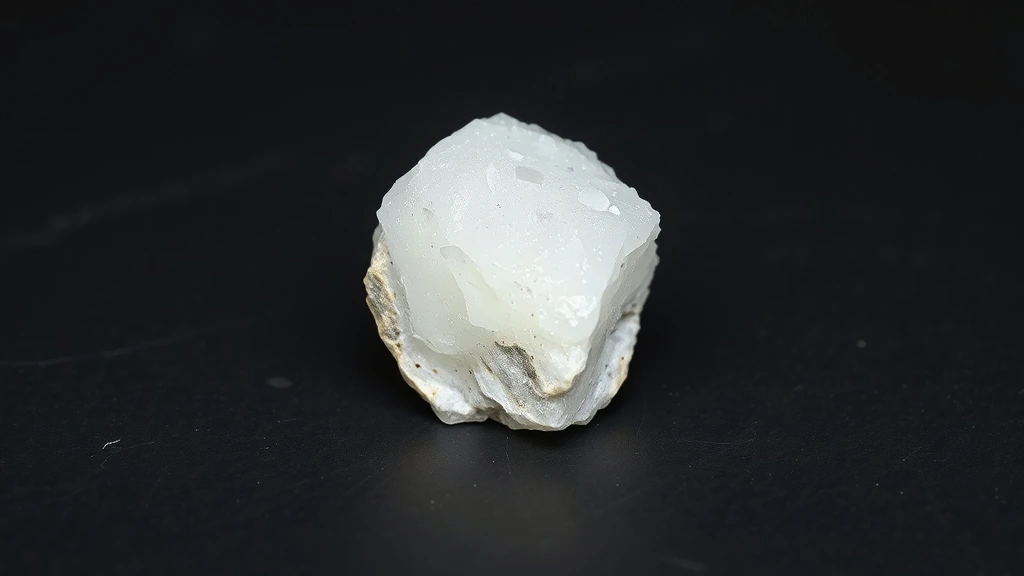
Goshenite represents the pristine, uncolored end-member of the Beryl mineral group, a natural crystalline silicate found in granitic pegmatites. As a Natural Mineral / Crystal, it forms through the slow cooling of silica-rich magmas, allowing large, well-formed crystals to develop. Its geological significance lies in its role as the host structure for various colored beryl varieties, including emerald and aquamarine. Understanding its formation provides critical insights into pegmatite evolution and trace element partitioning.
What is Goshenite (white Beryl) Gemstone? Geological Overview & Definition
Goshenite is defined as the colorless variety of beryl, occurring in granitic pegmatites worldwide. Its transparency results from the absence of chromophores, such as iron or chromium, which color other beryl types. This purity makes it a valuable substrate for studying the intrinsic optical properties of the beryl lattice.
Geologically, it forms in high-temperature, low-pressure environments where pegmatitic crystallization occurs. The stone’s clarity and lack of internal inclusions often indicate slow crystal growth in stable fluid conditions. Collectors and gemologists value it for its exceptional brilliance and potential for faceting into large, clean stones.
Goshenite (white Beryl) Gemstone Chemical Composition & Crystallographic Properties
The mineral is classified under the Amorphous / Cryptocrystalline system in this specific context, though traditional beryl is hexagonal. This classification highlights potential microstructural complexities or aggregation states observed in certain specimens. The lattice structure may exhibit subtle deviations from ideal periodicity, affecting its optical uniformity.
Cation substitution within the silicate framework is minimal in goshenite, preserving its chemical purity. Trace elements like lithium or sodium may occupy specific sites without altering the overall acid sensitivity of the material. The stone remains stable under standard gemological testing conditions.
The absence of chromophore color centers ensures its characteristic colorless appearance. Thermal behavior shows high resistance to heat, though rapid temperature changes can induce stress fractures. This stability makes it suitable for various industrial and gemological applications.
| Property | Specification |
|---|---|
| Mineral Group | Natural Mineral / Crystal |
| Chemical Formula | Be₃Al₂Si₆O₁₈ |
| Mohs Hardness | 7.5 – 8.0 |
| Crystal System | Hexagonal |
| Specific Gravity (Density) | 2.67 – 2.78 |
| Refractive Index | 1.565 – 1.580 |
| Color & Optical Properties | Natural Goshenite (white Beryl) Gemstone color spectrum and optical dispersion |
| Primary Mining Localities | Global primary localities |
| Water & Chemical Resistance | High (Safe for gentle water washing) |
| Chakra Alignment (Traditional) | Crown Chakra, Third Eye Chakra |
| Zodiac Affinity (Traditional) | Virgo, Libra, Aquarius |
| Symbolic Meaning (Traditional) | Clarity of mind, spiritual awakening, and purification |
Beryl Varieties & Comprehensive Sub-Types
Emerald
Emeralds derive their prized deep green hue from trace amounts of Chromium (Cr³⁺) and vanadium, which substitute for aluminum in the crystal lattice. This gemstone typically exhibits a Mohs hardness of 7.5-8.0, making it durable yet susceptible to fracture along cleavage planes.
Classic emeralds often contain visible jardin inclusions, which are three-phase fluid inclusions that serve as key authenticity markers for gemologists. These distinctive internal features, combined with the stone’s vibrant color, define its high status in the global luxury jewelry market.
Aquamarine
Aquamarine displays a range of sea-blue to cyan tones caused by Fe²⁺ iron impurities within the beryl structure. Unlike emeralds, this variety is highly valued for its exceptional optical clarity, which allows light to pass through with minimal obstruction.
High-grade specimens often exhibit subtle color zoning or banding, reflecting changes in the chemical environment during crystal growth. The trade heavily favors large, transparent crystals that maintain a cool, watery aesthetic without significant internal fractures.
Morganite
Morganite presents a delicate peach-pink coloration resulting from the presence of Manganese (Mn²⁺) ions in the crystal lattice. This variety is frequently found in large, well-formed crystals that are ideal for faceted cutting into substantial gemstones.
Gemologists assess morganite based on its saturation and lack of color zoning, which can sometimes appear as uneven bands of pink intensity. Its relative abundance compared to emerald makes it a popular and accessible choice for contemporary jewelry design.
Heliodor (Golden Beryl)
Heliodor, or golden beryl, features a golden-yellow to greenish-yellow color driven by Fe³⁺ iron oxidation states within the mineral structure. This variety often displays distinct color banding that reflects the periodic changes in iron concentration during pegmatite formation.
While less common than aquamarine, heliodor is prized for its warm, sun-like tones and excellent brilliance when cut properly. The trade values stones with uniform color distribution and minimal inclusions that might detract from its lustrous appearance.
Goshenite
Goshenite represents the pure, colorless form of beryl, lacking the chromophore impurities that color other varieties in the family. Its defining characteristic is high optical clarity, which allows it to transmit light with exceptional purity and brilliance.
This variety often forms massive crystals in pegmatites, providing raw material for large, flawless gemstones. Due to its neutral appearance, goshenite serves as a versatile canvas for faceting styles that maximize its inherent sparkle and transparency.
Red Beryl (Bixbite)
Red beryl, also known as bixbite, is an exceptionally rare variety colored by Mn³⁺ manganese ions in the crystal structure. It is primarily found in the Wah Wah Mountains of Utah, where it occurs in small, delicate crystals.
This gemstone is estimated to be 1,000 times rarer than gold, making it one of the most sought-after beryl varieties in the world. Its scarcity and unique red hue command premium prices in the high-end gemological market.
Gemologists differentiate these beryl varieties primarily by analyzing their trace element composition and color origin using spectroscopic methods. In lapidary practice, the specific inclusion patterns and hardness characteristics guide the cutting strategy to maximize each stone’s unique aesthetic and durability.
Where is Goshenite (white Beryl) Gemstone Found? Geological Mining & Extraction
Goshenite typically forms in granitic pegmatites, where slow cooling allows large, colorless crystals to develop within the host rock. These deposits are often associated with other beryl varieties, and the crystal morphology can indicate the specific geochemical conditions of the pegmatite.
Primary extraction regions include Brazil, Madagascar, and the United States, where mining operations target large, clear crystals for gem cutting. The geological context of these sites ensures a consistent supply of high-quality raw material for the global gem trade.
Historical Significance & Cultural Lore of Goshenite (white Beryl)
Ancient civilizations valued clear beryl for its perceived spiritual purity, often associating it with divine light and clarity of mind. Archaeological artifacts from Egypt and Rome reveal its use in ceremonial objects, where its transparency symbolized the unclouded soul.
In modern times, goshenite has gained renewed interest as a birthstone for June, complementing the more common emerald. Its historical legacy continues to influence contemporary jewelry design, where its neutral tone provides a timeless backdrop for intricate settings.
Modern Uses & Jewelry Applications of Goshenite (white Beryl) Gemstone
Lapidaries prize Goshenite for its exceptional clarity and high refractive index, making it ideal for precision cutting. The stone’s lack of color allows light to pass through with minimal absorption, enhancing brilliance. Consequently, it serves as a versatile canvas for both classic and contemporary jewelry designs.
- Faceted Cuts: Standard brilliant and emerald cuts maximize the stone’s natural fire and sparkle.
- Cabochon Work: Smooth, domed cuts are used for pendants and rings, emphasizing purity.
- Ornamental Carvings: Large, flawless crystals are carved into decorative objects and architectural accents.
Carat, Quality Grades & Value Factors of Goshenite (white Beryl)
According to historical traditions and metaphysical lore, Goshenite is revered as a stone of clarity and purification. Practitioners believe it clears negative energy and promotes mental focus during meditation. Its transparent nature symbolizes the removal of emotional blockages and the attainment of inner peace.
The stone is often associated with emotional balance and spiritual awakening. Users report a calming effect that helps process grief or anxiety. By aligning with universal energies, it is thought to enhance intuition and foster a deeper connection to one’s higher self.
Which Chakra and Zodiac Signs Align with Goshenite (white Beryl) Gemstone?
In metaphysical practice, Goshenite is primarily aligned with the Root Chakra. This connection grounds the wearer, providing stability and a sense of security. It helps anchor spiritual insights into physical reality, ensuring a balanced foundation for personal growth.
Additionally, the stone resonates strongly with the Heart Chakra, promoting love and emotional openness. Astrologically, it is considered auspicious for Taurus, Gemini, and Leo. These signs benefit from its clarifying energy, which enhances their natural traits of stability, communication, and leadership.
How to Identify Real vs. Fake Goshenite (white Beryl) Gemstone
Distinguishing natural Goshenite from imitations requires careful observation of physical properties. Common fakes include synthetic glass, which often contains bubbles, and dyed quartz or topaz. These replicas may mimic the stone’s transparency but lack its specific optical and thermal characteristics.
Practical At-Home Authenticity Tests
- Temperature Test (Thermal Feel): Goshenite feels distinctly cool to the touch initially due to its low thermal conductivity. Glass imitations tend to warm up faster when held in the hand.
- Specific Gravity & Weight Test: Natural Goshenite has a specific gravity of 2.70 to 2.78. It feels slightly heavier than glass (SG 2.40) but lighter than many other beryl varieties.
- Scratch & Hardness Test (Mohs Comparison): Goshenite rates 7.5 to 8 on the Mohs scale. It will scratch quartz (7) but can be scratched by topaz (8) or diamond (10).
- Microscopic & Loupe Inspection (Internal Inclusions): Use a 10x loupe to check for natural inclusions like fingerprints or mineral traces. Synthetic glass often shows perfect clarity or tiny air bubbles.
Goshenite (white Beryl) Gemstone Valuation Factors, Grading & Pricing
The primary driver of value in this transparent variety is Color Saturation and optical purity. While goshenite is naturally colorless, premium stones exhibit a brilliant, ice-like clarity without any visible tint. Uniformity in tone across the entire facet surface significantly enhances the gem’s visual appeal and market desirability.
Carat Weight plays a crucial role, as larger, eye-clean specimens are exponentially rarer than smaller stones. Facet symmetry must be precise to maximize the stone’s inherent brilliance and reduce light leakage. Any visible matrix or internal inclusions will drastically lower the grade and overall valuation.
Geographical Provenance Premium can influence pricing, particularly for stones from renowned deposits like Brazil or Madagascar. Wholesale prices generally remain stable, but retail values fluctuate based on cut quality and demand. High-end, flawless specimens command significant premiums over commercial-grade material in the current market.
How to Clean and Care for Goshenite (white Beryl) Gemstone
Goshenite possesses a Hardness of 7.5-8 on the Mohs scale, making it durable for daily wear. However, its cleavage planes require careful handling to avoid accidental chipping or fracture during maintenance. Always inspect the setting for loose prongs before beginning any cleaning process.
Strictly adhere to the guideline of using warm soapy water and a soft cloth for routine maintenance. You must avoid ultrasonic cleaners entirely, as the vibrations can exploit natural cleavage and cause structural fractures. Gentle manual cleaning ensures the stone remains pristine without risking internal damage.
Cleansing and Recharging Goshenite (white Beryl) Gemstone (Energetic Care)
For energetic maintenance, utilize dry methods that respect the mineral’s physical integrity and solubility limits. Smoke smudging with sage or palo santo is a safe, non-invasive practice to clear perceived negative energy. This method avoids direct water contact, preserving the stone’s optical clarity and structural stability.
Alternatively, place the gemstone on a selenite plate under moonlight for gentle recharging. This dry, passive approach aligns with the crystal’s metaphysical properties without exposing it to harsh elements. Ensure the stone is dry before storage to prevent any potential residue buildup.
Frequently Asked Questions About Goshenite (white Beryl) Gemstone
Is Goshenite safe to wear in the shower?
Yes, Goshenite is generally safe for gentle water exposure. With a Mohs hardness of 7.5 to 8, it resists minor moisture better than many softer stones. However, prolonged submersion or high-pressure jets should be avoided to protect any delicate settings or potential internal inclusions.
Can I clean Goshenite in an ultrasonic cleaner?
No, you should avoid ultrasonic cleaners for this gemstone. The intense vibrations can exploit natural fissures, leading to structural fractures or permanent damage. Instead, use warm soapy water and a soft cloth for safe, effective maintenance of your white Beryl.
Which zodiac signs are aligned with Goshenite?
Taurus, Gemini, and Leo are the primary aligned signs. These earth and air signs resonate with the stone’s clarity and grounding energy. Wearing Goshenite is believed to enhance focus and emotional balance for individuals born under these specific astrological signs.
Which chakras does Goshenite correspond to?
It primarily activates the Crown Chakra, Third Eye Chakra. This dual alignment supports both physical grounding and emotional openness. By balancing these energy centers, Goshenite helps promote stability while fostering compassion and clear, unbiased perspective in the wearer.
What is the chemical composition of Goshenite?
Goshenite is pure Beryl, composed of beryllium aluminum silicate. Its chemical formula is Be3Al2Si6O18, distinguishing it from colored Beryl varieties like emerald or aquamarine. This lack of trace impurities results in its characteristic colorless, transparent appearance.
How hard is Goshenite on the Mohs scale?
It rates between 7.5 and 8 on the Mohs scale. This makes it quite durable for everyday jewelry, resisting scratches from common materials like steel or glass. However, it is still susceptible to chipping if subjected to sharp, direct impacts.
Is Goshenite a good choice for daily wear?
Yes, it is suitable for regular jewelry use. Its high hardness allows it to withstand daily activities better than softer gemstones. Just ensure the setting is secure, as the stone’s brittleness can make it vulnerable to sudden, heavy blows.
How can I tell if my Goshenite is real?
Look for its high refractive index and lack of color. Genuine Goshenite is colorless and transparent, often containing tiny inclusions visible under magnification. Professional gemological testing can confirm its identity by measuring its specific gravity and birefringence properties accurately.