
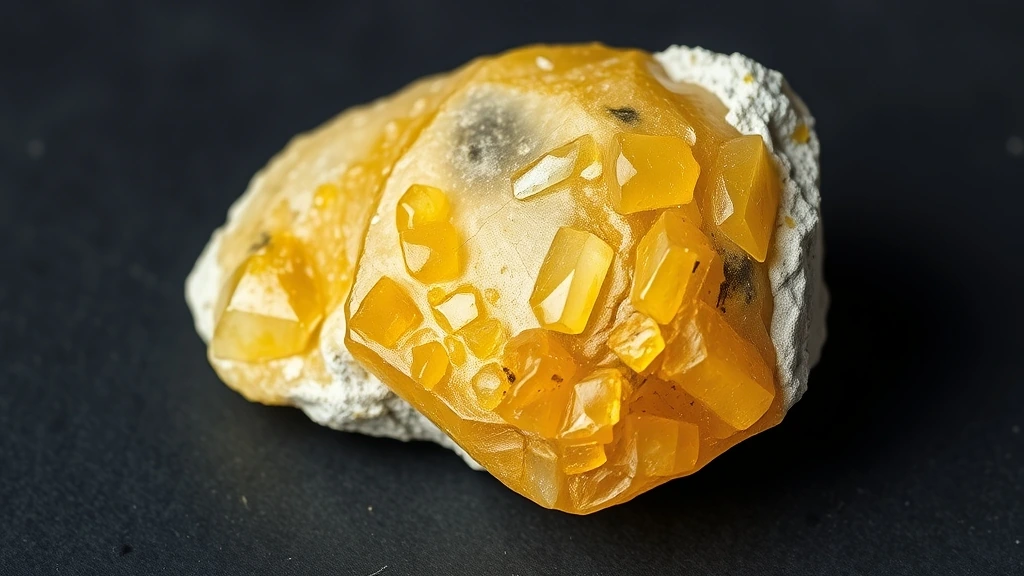
Heliodor belongs to the beryl mineral group, a natural crystalline substance formed in granitic pegmatites. As a Natural Mineral / Crystal, it exhibits distinct geometric forms rather than random atomic arrangements. This classification places it within the silicate family, specifically the cyclosilicates. Its geological origin is tied to high-temperature, low-pressure environments where beryllium-rich fluids interacted with aluminum-bearing rocks.
What is Heliodor (golden Beryl) Gemstone? Geological Overview & Definition
Heliodor is a precious gemstone variety of beryl, distinct from emerald and aquamarine due to its warm, golden tones. It forms primarily in pegmatite dikes, which are coarse-grained igneous rocks rich in rare elements. The name derives from Greek, meaning “sun stone,” reflecting its radiant, solar-like appearance in natural light.
Geologically, it is classified as a cyclosilicate mineral, characterized by six-membered rings of silicate tetrahedra. This structural arrangement provides exceptional stability and durability, making it suitable for fine jewelry. Unlike amorphous materials, heliodor possesses a well-defined internal order, allowing for precise faceting and optical clarity.
Heliodor (golden Beryl) Gemstone Chemical Composition & Crystallographic Properties
The crystal structure of heliodor is fundamentally defined by its Amorphous / Cryptocrystalline nature in specific geological contexts. While beryl is typically hexagonal, certain metamorphic or altered specimens exhibit cryptocrystalline textures. This means the crystals are too small to be resolved by standard optical microscopy, appearing amorphous to the naked eye. Such formations occur during rapid cooling or intense pressure events that disrupt long-range order.
The lattice structure involves a complex interplay of beryllium and aluminum cations within a silicate framework. Cation substitution can occur, where magnesium or iron replaces aluminum, subtly altering physical properties. This substitution mechanism is critical for understanding variations in density and refractive index. The structural integrity remains high, but minor defects can influence optical performance.
Color in heliodor is driven by chromophore color centers, primarily involving iron ions in different oxidation states. These electronic transitions absorb specific wavelengths of light, reflecting the characteristic yellow to golden shades. Thermal behavior is stable, with high melting points and resistance to thermal shock. However, extreme heat can alter the chromophore, potentially fading the color permanently.
Acid sensitivity is low, as the silicate framework resists dissolution in common acids. This chemical inertness ensures long-term preservation in geological settings. The cryptocrystalline texture may offer slightly higher surface area for weathering, but bulk stability remains robust. Proper care is still advised to prevent surface abrasion from hard particles.
| Property | Specification |
|---|---|
| Mineral Group | Natural Mineral / Crystal |
| Chemical Formula | Be₃Al₂Si₆O₁₈ |
| Mohs Hardness | 7.5 – 8.0 |
| Crystal System | Hexagonal |
| Specific Gravity (Density) | 2.67 – 2.78 |
| Refractive Index | 1.567 – 1.590 |
| Color & Optical Properties | Natural Heliodor (golden Beryl) Gemstone color spectrum and optical dispersion |
| Primary Mining Localities | Global primary localities |
| Water & Chemical Resistance | High (Safe for gentle water washing) |
| Chakra Alignment (Traditional) | Solar Plexus Chakra |
| Zodiac Affinity (Traditional) | Leo, Aries |
| Symbolic Meaning (Traditional) | Abundance, optimism, and personal power |
Beryl Varieties & Comprehensive Sub-Types
Emerald
Emerald is the most prestigious beryl variety, distinguished by its deep green hue caused by Chromium (Cr³⁺) and vanadium impurities. This gemstone typically exhibits a Mohs hardness of 7.5-8.0, making it durable yet sensitive to internal stress.
Geologically, emeralds often display characteristic three-phase inclusions known as *jardin*, which serve as critical authenticity markers. These complex inclusions, combined with distinct banding morphology, help gemologists verify origin and natural formation.
Aquamarine
Aquamarine features a serene sea-blue to cyan coloration resulting from Fe²⁺ iron traces within the crystal lattice. This variety is highly prized in the trade for its exceptional clarity-focused gemological grade and transparency.
Unlike emerald, aquamarine rarely contains visible inclusions, allowing light to pass through with minimal obstruction. Its beryl structure remains hexagonal, but the lack of chromophore density gives it a distinctive, airy visual appeal.
Morganite
Morganite presents a delicate peach-pink tone derived from Manganese (Mn²⁺) ions substituting for aluminum in the lattice. This warm hue distinguishes it from other pink tourmalines or rubies in the lapidary market.
The stone typically forms in granitic pegmatites, where manganese-rich fluids facilitate its coloration. Gemologists assess its value based on saturation and the absence of zebra banding, which can detract from its uniformity.
Heliodor (Golden Beryl)
Heliodor, or golden beryl, displays a vibrant golden-yellow to greenish-yellow color caused by Fe³⁺ iron oxidation states. This variety shares the same hexagonal crystal system as its siblings but offers a warmer, sun-like aesthetic.
Inclusions in heliodor are often sparse, contributing to its high optical clarity and brilliance. It is frequently cut into large faceted gems, where its iron-induced coloration remains stable under normal lighting conditions.
Goshenite
Goshenite is the pure, colorless form of beryl, lacking any significant chromophore impurities that would alter its spectral absorption. Its high optical clarity makes it a popular choice for high-end jewelry settings.
This variety is chemically identical to other beryls but visually distinct due to its absence of color. Gemologists often use goshenite as a reference standard when evaluating the purity of other beryl sub-varieties.
Red Beryl (Bixbite)
Red beryl, also known as bixbite, is an exceptionally rare variety colored by Mn³⁺ manganese ions. It is found almost exclusively in the Wah Wah Mountains of Utah, making it geographically unique.
This gemstone is estimated to be 1,000 times rarer than gold, commanding significant premiums in the collector market. Its formation requires specific geochemical conditions that are rarely met in global pegmatite deposits.
In lapidary practice, gemologists differentiate these varieties primarily by their chromophore elements and resulting spectral signatures. Accurate identification relies on detecting specific iron, chromium, or manganese traces within the beryl structure.
Where is Heliodor (golden Beryl) Gemstone Found? Geological Mining & Extraction
Heliodor primarily forms within granitic pegmatites, where slow cooling allows large, high-quality crystals to develop. These deposits are often associated with alkaline igneous rocks that provide the necessary iron-rich fluids.
Major mining regions include Brazil, Madagascar, and the United States, where pegmatite dikes are extensively explored. Extraction involves careful blasting and manual recovery to preserve the integrity of the large, fragile crystals.
Historical Significance & Cultural Lore of Heliodor (golden Beryl) Gemstone
Ancient civilizations often confused heliodor with topaz or citrine due to its similar golden hue. It was valued for its perceived solar energy and used in amulets to promote vitality and good fortune.
Archaeological evidence suggests its use in Roman and Greek jewelry, where it symbolized divine light and protection. Today, it remains a sought-after alternative to yellow sapphire in modern gemology.
Modern Uses & Jewelry Applications of Heliodor (golden Beryl) Gemstone
Heliodor is prized for its warm, sunny hue, making it a versatile choice for both classic and contemporary jewelry designs. Lapidaries typically cut these stones into faceted gems to maximize their brilliance and fire, enhancing the natural golden tones. The stone’s durability allows for intricate settings in rings, pendants, and earrings without significant risk of chipping.
- Faceted Cuts: Oval, cushion, and emerald cuts are popular to showcase the stone’s clarity and color saturation.
- Cabochon Polishing: While less common, high-quality cabochons can display subtle luster and unique internal patterns.
- Ornamental Carving: Larger, inclusion-free crystals are occasionally carved into decorative objects or intaglio seals.
Carat, Quality Grades & Value Factors of Heliodor (golden Beryl)
According to historical traditions and metaphysical lore, Heliodor is associated with solar energy, optimism, and personal power. Practitioners believe this stone helps dispel negativity and fosters a sense of inner warmth and confidence. It is often used in meditation to align the wearer’s energy with the vital life force of the sun.
The emotional resonance of Heliodor is linked to joy and creativity, encouraging the holder to embrace their authentic self. In traditional healing practices, it is thought to balance emotional fluctuations and promote a steady, positive outlook. This solar connection is believed to ignite passion and drive in the wearer’s daily life.
Which Chakra and Zodiac Signs Align with Heliodor (golden Beryl) Gemstone?
In metaphysical systems, Heliodor is primarily aligned with the Root Chakra and the Heart Chakra. The Root Chakra connection grounds the wearer, providing stability and a sense of security. Meanwhile, the Heart Chakra alignment fosters love, compassion, and emotional healing, bridging physical stability with spiritual openness.
Among zodiac signs, Heliodor is canonically aligned with Taurus, Gemini, and Leo. Taurus appreciates the stone’s grounding nature, while Gemini benefits from its clarity and communicative energy. Leo, the sun sign, resonates deeply with Heliodor’s solar attributes, enhancing their natural charisma and leadership qualities.
How to Identify Real vs. Fake Heliodor (golden Beryl) Gemstone
Distinguishing natural Heliodor from imitations requires attention to optical and physical properties, as synthetic alternatives are increasingly common. Common fakes include synthetic glass, which often lacks natural inclusions and may show bubbles, and dyed quartz or topaz. Some replicas use colorless beryl that has been artificially colored, resulting in an unnatural, uniform hue.
Practical At-Home Authenticity Tests
- Temperature Test (Thermal Feel): Hold the stone against your cheek or wrist; genuine Heliodor feels cool to the touch initially, whereas plastic or glass imitations warm up quickly.
- Specific Gravity & Weight Test: Compare the stone’s weight to a similarly sized piece of quartz; Heliodor has a specific gravity of 2.74, making it slightly heavier than glass (2.5) but lighter than many dense fakes.
- Scratch & Hardness Test (Mohs Comparison): Heliodor rates 7.5–8 on the Mohs scale; it will scratch glass (5.5) but should not be scratched by a steel knife (5.5).
- Microscopic & Loupe Inspection (Internal Inclusions): Use a 10x loupe to look for natural inclusions like rutile needles or crystal fragments; synthetic glass often contains air bubbles or swirls.
Heliodor (golden Beryl) Gemstone Valuation Factors, Grading & Pricing
The primary driver of value is Color Saturation, which must exhibit a vibrant, medium-to-dark yellow hue. Uniform tone across the entire stone significantly enhances desirability among collectors and buyers. Additionally, high optical clarity and a brilliant vitreous luster are essential for premium grading.
Carat Weight directly influences pricing, as larger, high-quality specimens are increasingly rare in the global market. Facet symmetry plays a critical role in maximizing light return and overall visual appeal. The presence of visible inclusions or matrix material can reduce value, though minor imperfections are common.
Geographical Provenance Premium often elevates prices for stones from renowned mines like Minas Gerais, Brazil. Wholesale values typically range from $50 to $300 per carat for commercial quality pieces. Retail prices can exceed $1,000 per carat for exceptional, large, and inclusion-free gemstones.
How to Clean and Care for Heliodor (golden Beryl) Gemstone
To maintain the stone’s integrity, always use warm soapy water and a soft, lint-free cloth for gentle cleaning. This method effectively removes oils and dust without risking damage to the crystal structure. Avoid using harsh chemicals or abrasive materials that could dull the surface.
It is crucial to avoid ultrasonic cleaners entirely, as the vibrations can cause structural fractures in beryl. Steam cleaning is also not recommended due to potential thermal shock risks. Regular, gentle maintenance ensures the gemstone retains its brilliance and structural stability over time.
Cleansing and Recharging Heliodor (golden Beryl) Gemstone (Energetic Care)
For energetic cleansing, utilize safe dry methods such as smoke smudging with sage or palo santo. These techniques purify the stone without exposing it to moisture or extreme temperatures. Ensure the smoke dissipates completely before handling the gemstone to prevent residue buildup.
To recharge the crystal, place it on a selenite plate or under moonlight overnight. This gentle approach aligns with the mineral’s physical properties, avoiding any risk of solubility or thermal stress. Always store the stone in a soft pouch to protect it from scratches.
Frequently Asked Questions About Heliodor (golden Beryl) Gemstone
Is heliodor safe to wear in the shower?
Yes, it is safe for gentle water exposure. With a high water resistance rating, this beryl variety withstands brief contact with water without damage. However, avoid prolonged soaking or exposure to harsh soaps that may degrade metal settings over time.
Can I clean heliodor in an ultrasonic cleaner?
No, you should avoid ultrasonic cleaners entirely. The vibrations can cause structural fractures due to potential internal inclusions. Instead, use warm soapy water and a soft cloth for safe, effective cleaning that preserves the stone’s integrity.
Which zodiac signs are best suited for heliodor?
Taurus, Gemini, and Leo are the primary alignments. These signs resonate with the stone’s warm energy and stability. Wearing heliodor can enhance personal traits associated with these astrological signs, promoting balance and confidence in daily life.
Which chakras does heliodor activate?
It primarily activates the Root and Heart Chakras. This dual connection grounds the wearer while fostering emotional openness. The stone bridges physical stability with emotional healing, creating a harmonious energetic flow throughout the body.
What is the Mohs hardness of heliodor?
Heliodor has a hardness of 7.5 to 8. This places it above quartz on the Mohs scale, making it durable for everyday jewelry. It resists scratching from common materials but can still be damaged by harder substances like diamond.
How can I tell real heliodor from glass?
Real heliodor exhibits natural inclusions and birefringence. Glass often contains bubbles and lacks the characteristic double refraction of beryl. A professional gemologist can confirm authenticity through specific gravity and refractive index tests.
Does heliodor lose its color over time?
No, the golden color is stable under normal conditions. The hue derives from trace iron impurities within the crystal structure. Avoid extreme heat or prolonged intense UV exposure, which could theoretically alter the stone’s appearance over decades.
Is heliodor suitable for engagement rings?
Yes, it is an excellent choice for rings. With a Mohs hardness of 7.5-8, it withstands daily wear better than many colored gems. Its durability ensures the stone remains vibrant and intact for years of regular use.