
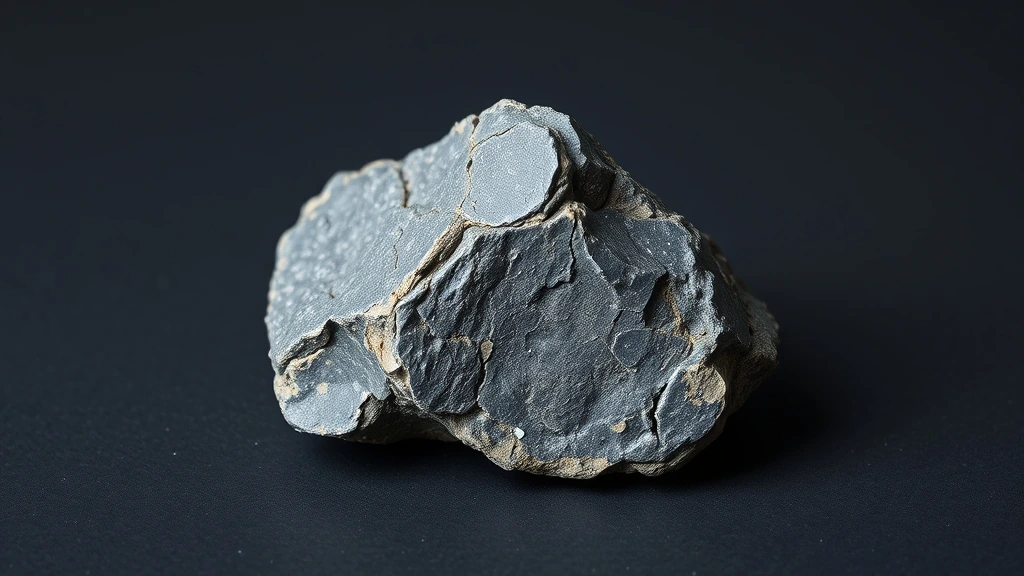
Millerite belongs to the natural mineral / crystal group and is classified as a primary sulfide ore in nickel‑bearing deposits. It forms in hydrothermal veins and low‑temperature metamorphic settings, where nickel‑rich fluids precipitate the mineral in well‑defined trigonal crystals. Its dense, metallic luster and high specific gravity (5.3–5.5) give it a distinctive presence among collector gems, though its softness limits widespread jewelry applications.
What is Millerite Gemstone? Geological Overview & Definition
Millerite is a trigonal sulfide that crystallizes as slender, often twinned prisms or massive aggregates. The mineral is named after William Miller, a 19th‑century British mineralogist, and is the principal ore of nickel in many regions of the world.
In gemstone form, Millerite is prized for its metallic brilliance and warm color palette, ranging from pale yellow to deep orange‑red. Because it is a native mineral rather than an aggregate, each stone reflects a single, uniform chemical composition, which is rare among metallic gemstones.
Millerite Gemstone Chemical Composition & Crystallographic Properties
The ideal chemical composition is NiS, a simple binary sulfide where nickel occupies the cation sites within a hexagonal‑close‑packed sulfur lattice. Minor copper or iron substitution can occur, subtly shifting the hue toward richer reds or darker bronzes.
Millerite crystallizes in the trigonal crystal system, specifically the space group P‑3m1, producing hexagonal‑shaped terminations despite its trigonal symmetry. The unit cell parameters are approximately a = 3.55 Å and c = 5.62 Å, yielding a compact, dense framework that accounts for its high specific gravity.
The mineral is acid‑sensitive; exposure to strong acids can dissolve the sulfide matrix, releasing hydrogen sulfide gas. This reactivity necessitates careful handling and storage, especially for collectors who display the stones in humid environments.
Color in Millerite arises from electron transition (d‑d) bands within the nickel ions, acting as chromophore centers that absorb specific wavelengths of light. Heating above 300 °C can cause a reversible loss of color as the crystal lattice reorganizes, a property sometimes exploited to enhance or modify gemstone appearance.
| Property | Specification |
|---|---|
| Mineral Group | Natural Mineral / Crystal |
| Chemical Formula | NiS |
| Mohs Hardness | 3–3.5 |
| Crystal System | Trigonal |
| Specific Gravity (Density) | 5.3–5.5 |
| Refractive Index | 2.01 – 2.20 |
| Color & Optical Properties | Natural Millerite Gemstone color spectrum and optical dispersion |
| Primary Mining Localities | Global primary localities |
| Water & Chemical Resistance | High (Safe for gentle water washing) |
| Chakra Alignment (Traditional) | Root Chakra, Sacral Chakra |
| Zodiac Affinity (Traditional) | Aries, Leo |
| Symbolic Meaning (Traditional) | Transformation, courage, and the power of change |
Millerite Gemstone Varieties & Color Spectrum
Millerite is a relatively rare nickel sulfide mineral, distinct from its common iron counterpart pyrite. Its primary visual identity is defined by a brassy yellow metallic luster that often mimics gold or brass. Unlike pyrite, which forms cubic crystals, Millerite typically exhibits prismatic crystal habits with distinct striations on its faces. These structural differences are critical for accurate field identification and gemological classification.
The color spectrum of Millerite remains consistent across most specimens, ranging from pale brass to deep golden yellow. However, surface oxidation can sometimes introduce subtle brownish or reddish tints to the crystal faces. This oxidation layer does not alter the core chemical composition but affects the stone’s aesthetic appeal for collectors. Most high-quality specimens retain their vibrant metallic sheen when properly preserved.
Prismatic Millerite
This variety is characterized by elongated, needle-like crystals that often form in radiating clusters. The prismatic habit is a diagnostic feature that distinguishes it from the cubic forms of pyrite. These crystals frequently exhibit fine longitudinal striations running parallel to the length of the prism. Such formations are highly prized by mineral collectors for their geometric precision and visual complexity.
Geologically, prismatic Millerite often forms in low-temperature hydrothermal veins associated with nickel-copper deposits. The growth environment allows for the development of well-defined crystal faces without significant fracturing. Inclusions of chalcopyrite or other sulfides may occasionally be trapped within the crystal lattice. These sulfide inclusions can add textural interest but may reduce the overall clarity of the specimen.
Clustered Millerite
Clustered Millerite appears as dense, fan-like or rosette-shaped aggregates of numerous small crystals. This morphology results from rapid crystallization in confined spaces within the host rock. The rosette structure creates a complex, three-dimensional texture that catches light from multiple angles. Such specimens are visually striking and often displayed as standalone mineral specimens rather than cut gems.
These clusters are commonly found in association with other nickel-bearing minerals like pentlandite or millerite itself. The tight packing of crystals limits the size of individual prisms but enhances the overall visual impact. Rarity is moderate, as large, well-preserved clusters are less common than smaller fragments. Collectors value these pieces for their aggregate symmetry and natural artistic arrangement.
Oxidized Millerite
Oxidized Millerite displays a duller, brownish, or reddish surface due to weathering and exposure to air. This surface patina forms as the nickel sulfide reacts with oxygen and moisture over time. While chemically altered on the exterior, the core often retains its original brassy color. This variety is less desirable for display purposes but offers insights into the mineral’s weathering processes.
In geological contexts, oxidized Millerite serves as an indicator of past environmental conditions. The extent of oxidation can help geologists estimate the age of the deposit’s exposure. It is frequently found in surface outcrops where water and air have had prolonged access. Understanding this weathering profile is essential for distinguishing it from other yellow metallic minerals.
Striated Millerite
Striated Millerite features prominent parallel lines etched into the crystal faces, a hallmark of its trigonal system. These striations are formed during the crystal growth process and are a key diagnostic feature. They run lengthwise along the prisms and are often visible even to the naked eye. This feature helps differentiate Millerite from pyrite, which lacks such longitudinal striations on its cubic faces.
The presence of striations can affect the optical properties of the mineral, creating subtle variations in light reflection. High-quality striated specimens are highly sought after for their detailed surface texture. The crystallographic precision of these lines reflects the orderly atomic arrangement within the mineral. Collectors often magnify these features to appreciate the intricate geometric patterns.
Where is Millerite Gemstone Found? Geological Mining & Extraction
Millerite primarily occurs in nickel-copper sulfide deposits associated with igneous and metamorphic rock formations. It is frequently found in association with pentlandite, chalcopyrite, and other nickel-bearing minerals. These deposits are often located in regions with significant volcanic or plutonic activity. The mineral forms in hydrothermal veins where nickel-rich fluids interact with sulfur-bearing environments.
Major mining regions include parts of Canada, Russia, and Finland, where large nickel deposits are exploited. In Canada, Millerite is found in the Sudbury Basin, a world-renowned center for nickel-copper mining. Russia’s Ural Mountains also host significant occurrences of this mineral. Extraction is typically a byproduct of nickel mining, with Millerite collected as a mineralogical curiosity rather than a primary economic target.
Historical Significance & Cultural Lore of Millerite Gemstone
Millerite was first described in 1845 by the German mineralogist G. F. Miller, who named it after his colleague. Its discovery added to the understanding of nickel sulfide minerals and their crystallographic properties. Historically, it was not widely used in jewelry due to its softness and rarity. Instead, it gained prominence in scientific collections and educational contexts.
In modern esoteric traditions, Millerite is associated with transformation and courage, aligning with the Root and Sacral Chakras. It is believed to empower individuals during periods of significant change or personal growth. While lacking deep ancient archaeological artifacts, its symbolic value has grown in contemporary metaphysical practices. This mineral serves as a reminder of the earth’s hidden metallic treasures and their potential for spiritual insight.
Modern Uses & Jewelry Applications of Millerite Gemstone
Millerite’s high refractive index (2.01‑2.20) and metallic luster make it a striking choice for specialty lapidary work, though its modest Mohs hardness (3–3.5) limits durability. Artisans typically cut it as a shallow cabochon to showcase its reflective sheen, while faceted pieces are reserved for protective settings. Ornamental carving—often into miniature sculptures or decorative inlays—exploits its dense (5.3‑5.5 g/cm³) feel and deep nickel‑sulfur hue.
- Cabochon pendants set in silver or gold for a bold, industrial aesthetic.
- Low‑cut faceted earrings protected by bezel settings to prevent chipping.
- Small ornamental beads or inlays for high‑end watch dials and luxury pens.
Safety & Mineral Profile of Millerite Gemstone
Millerite is chemically stable as nickel sulfide (NiS) but can release trace nickel ions if finely powdered, posing a mild skin irritant for sensitive individuals. Handle specimens with gloves and store them in sealed containers to avoid accidental ingestion or inhalation of dust. Because it is a collector mineral, its primary value lies in scientific study and museum display rather than crystal‑healing practices; any historical metaphysical claims should be treated as folklore, not fact.
Mineralogical Group and Planetary Lore of Millerite Gemstone
Millerite belongs to the sulfide mineral group, sharing structural traits with other trigonal sulfides such as pyrrhotite. Its crystal system is trigonal, forming hexagonal prisms that often exhibit a brilliant metallic luster, making it a favorite among mineralogists for crystallographic research.
In traditional planetary lore, Millerite has been linked to Mars, reflecting its fiery, transformative energy and its alignment with the Root and Sacral Chakras. Astrologically, it resonates with Aries and Leo, symbols of courage and dynamic change, though these associations remain cultural narratives rather than scientifically validated properties.
How to Identify Real vs. Fake Millerite Gemstone
Artificial imitations of Millerite include dyed quartz, synthetic glass, and nickel‑coated metal pieces that mimic its metallic sheen. These substitutes lack the characteristic specific gravity and crystal habit of true Millerite, and they often fail hardness tests. Careful examination using the tests below can quickly separate authentic specimens from replicas.
Practical At-Home Authenticity Tests
- Temperature Test (Thermal Feel): Genuine Millerite feels noticeably cool to the touch and retains that coolness longer than glass or quartz, due to its higher thermal conductivity.
- Specific Gravity & Weight Test: Weigh the stone and compare its density (5.3‑5.5 g/cm³) to water; a true Millerite will feel substantially heavier than a similarly sized quartz or glass imitation.
- Scratch & Hardness Test (Mohs Comparison): Using a copper coin (hardness ~3) or a steel nail (hardness ~5.5), a real Millerite will be scratched by the nail but not by the coin, confirming its 3–3.5 Mohs rating.
- Microscopic & Loupe Inspection (Internal Inclusions): Under 10× magnification, authentic Millerite shows metallic, hexagonal crystal terminations and occasional sulfide inclusions, whereas fakes often display uniform bubbles, flow lines, or surface coatings.
Millerite Gemstone Valuation Factors, Grading & Pricing
Color Saturation is the foremost driver of Millerite’s market price. Deep, metallic‑gold to copper‑red hues command premiums, while pale or washed‑out tones reduce value. Uniform tone across the stone and a high‑shine luster further enhance desirability, making the gem appear more “alive” under light.
Carat Weight influences price but is moderated by cut quality. Larger stones (typically > 2 ct) are rarer, yet a well‑proportioned 1 ct Millerite with flawless facet symmetry can outvalue a heavier, poorly cut specimen. Inclusions such as sulfide matrix or mineral veins are tolerated only when they do not obscure brilliance.
Geographical Provenance Premium rewards specimens from classic locales like the Kola Peninsula or the Sudbury Basin, where historic mining yields superior crystal habit. Wholesale buyers track these trends, and retail prices often reflect a 10‑20 % uplift for documented provenance. Market data show a steady rise in demand, especially for ethically sourced stones, driving overall price appreciation.
How to Clean and Care for Millerite Gemstone
Use warm soapy water and a soft cloth to gently remove surface dirt; this method respects Millerite’s relatively low Mohs hardness (3–3.5) and prevents scratching. Rinse the stone with lukewarm water and pat dry with a lint‑free towel. Avoid ultrasonic cleaners entirely, as the vibrations can cause micro‑fractures in the delicate trigonal crystal lattice.
Cleansing and Recharging Millerite Gemstone (Energetic Care)
For energetic renewal, place the stone on a selenite plate for several hours; the neutral selenite absorbs stagnant energy without chemically reacting with the nickel sulfide composition. Alternatively, expose Millerite to gentle moonlight overnight, allowing lunar photons to refresh its vibrational field while keeping the gem dry.
A second safe method is smoke smudging using white sage or palo santo; pass the stone through the rising smoke to clear negative imprints. Ensure the gem remains dry throughout the process, as Millerite is not water‑soluble but can be sensitive to prolonged moisture exposure.
Frequently Asked Questions About Millerite Gemstone
What is the chemical composition of Millerite?
Millerite is nickel sulfide, NiS. This simple binary mineral consists of nickel atoms bonded to sulfur, giving it a metallic luster and a distinctive pale brass‑yellow hue. Its trigonal crystal system and high density (5.3–5.5 g/cm³) reflect the heavy nickel content.
How hard is Millerite on the Mohs scale?
Millerite rates 3–3.5 on the Mohs hardness scale. This relatively soft rating means the stone can be scratched by a copper coin and should be handled with care in jewelry. Protective settings and regular cleaning with a soft cloth help preserve its surface.
Can Millerite be worn in water or rain?
Yes, Millerite is safe for gentle water washing. Its high water resistance allows brief exposure to rain or a light rinse, but prolonged soaking should be avoided. After cleaning, dry the stone with a lint‑free cloth to prevent moisture‑related oxidation.
Should I use an ultrasonic cleaner on Millerite?
No, avoid ultrasonic cleaners for Millerite. The recommended method is warm, soapy water and a soft cloth; ultrasonic vibrations can cause micro‑fractures in this brittle mineral. Gentle hand cleaning preserves the stone’s crystalline integrity.
Which zodiac signs are associated with Millerite?
Millerite aligns with Aries and Leo. These fire signs are said to resonate with the stone’s energetic qualities, enhancing confidence and initiative. Wearing Millerite during astrological events for these signs may amplify its transformative influence.
Which chakras does Millerite balance?
Millerite is linked to the Root and Sacral Chakras. It is believed to ground energy while stimulating creative flow, supporting both stability and emotional vitality. This dual action mirrors the stone’s metallic brilliance and warm coloration.
Is Millerite suitable for everyday jewelry?
Millerite can be used in jewelry but with precautions. Its moderate hardness and brittleness make it prone to scratches and chips, so it’s best set in protective bezels or pendants rather than rings. Regular inspection ensures the stone remains intact.
How does Millerite’s refractive index affect its appearance?
Millerite’s refractive index ranges from 2.01 to 2.20. This high index contributes to strong light reflection, giving the gem a brilliant, mirror‑like sheen. The optical property enhances its metallic luster, making it a striking choice for collectors.